- | 10:00 am
The Gulf’s shifting environment is driving a more confident and focused approach to business
Inside the UAE’s evolving approach to business execution and long-term growth
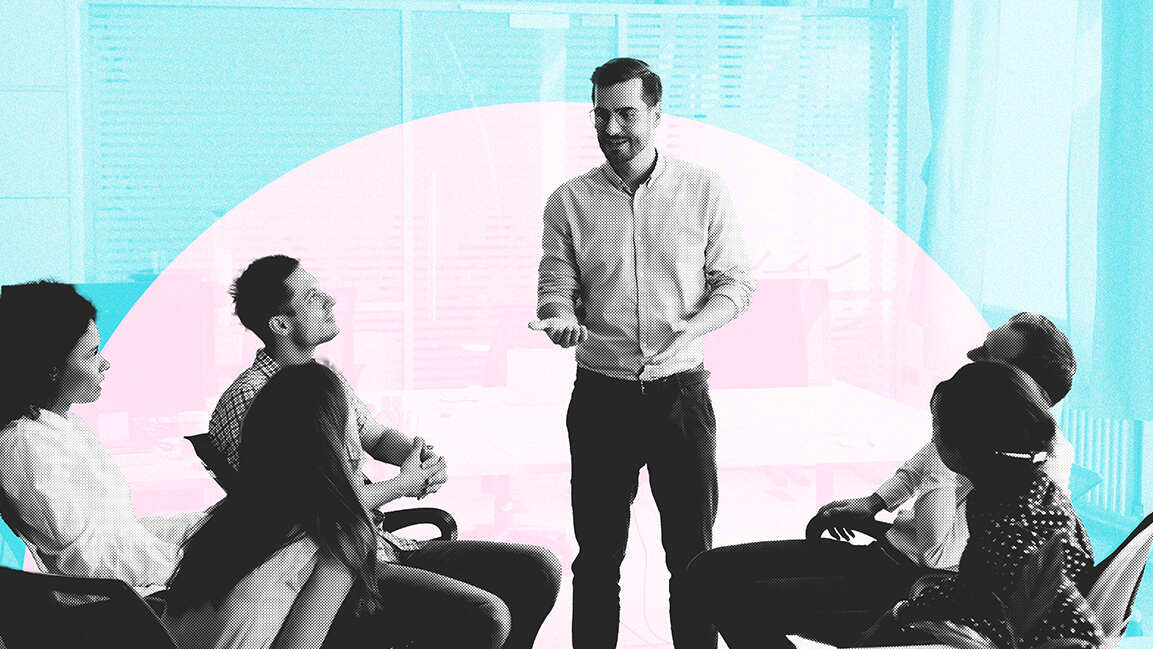


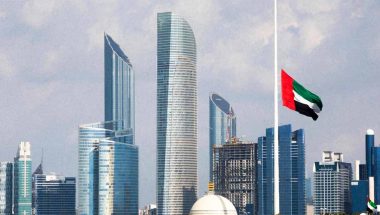
The Gulf region is navigating a period of heightened uncertainty, and businesses are framing the unknown as an opportunity to demonstrate their strength.
“Uncertainty is part of doing business,” says Sagar Chotrani, CEO of Publsh Group. “But if there’s one thing the UAE has shown time and again, it’s that every setback is followed by a stronger comeback.”
That sense of resilience is a response to the challenges the UAE faces. Navneet Mandhani, CEO and Founder of Karma Developers, points out that despite regional uncertainty, Dubai’s development ecosystem has remained remarkably steady. Projects continue on schedule, supply chains remain intact, and investor confidence has held firm. “This continuity sends a powerful message,” he says. “The UAE’s economic engine does not pause.”
For Iñigo de Luna, Founder and Managing Partner at Nahda Capital Partners, this stability is reinforced not just by government action, but by how businesses themselves behave. “In the UAE, stability is reinforced daily by companies that operate responsibly, avoid unnecessary noise, and focus on continuity.”
That means honoring commitments, protecting customers, paying suppliers, and maintaining governance standards, even when external conditions are volatile.
“Consistency, clarity, and long-term commitment are more critical than ever,” adds Mandhani. “When companies demonstrate reliability during challenging periods, they strengthen the UAE’s position as a stable, future-focused global hub.”
ADAPTING IN REAL TIME
Across sectors, businesses are refining operations to stay ahead of disruption. At Karma Developers, this has meant intensifying program management, strengthening stakeholder coordination, and implementing early risk-identification systems to prevent delays. “Resilience is built through anticipation,” Mandhani says. “It’s about responding to challenges before they disrupt delivery.”
For Nahda Capital Partners, the approach has been equally pragmatic. “We focused on reliability and responsiveness,” says de Luna. “We kept counterparties updated, avoided overpromising, and stuck to deadlines. In periods like this, calm execution reduces stress for everyone.”
SUPPORTING PEOPLE, NOT JUST PERFORMANCE
Beyond operations, companies are also prioritizing internal stability, recognizing that resilience starts with people within the organizations.
Karma Developers introduced short-term housing support for those facing temporary challenges, alongside more transparent communication and leadership accessibility, so teams feel supported.
Similarly, Nahda Capital Partners streamlined internal communications, reduced non-essential travel, and reinforced flexible working policies. “We also made sure people know they can prioritize family considerations without stigma, while keeping the team aligned and productive,” he adds.
Publsh Group took a similar approach, offering optional remote work and maintaining an “open-door culture.”
WHERE BUSINESS CONTINUITY MEETS SOCIAL RESPONSIBILITY
For UAE-based companies, the line between operational resilience and social responsibility is increasingly blurred, especially amid difficult times. “Protecting business continuity requires supporting the ecosystem around you,” says Mandhani. “Employees, customers, and the wider community.”
De Luna echoes this, noting that “Social responsibility becomes real when it is embedded in how you operate, not in slogans”. Protecting operations is about protecting jobs, paying vendors, and maintaining services.
Across the market, this is already visible. Chotrani points to brands like Squatwolf leveraging their platforms to support local businesses, to developers offering food and accommodation for affected communities, underscoring how companies are stepping up in tangible ways.
THE ROLE OF INSTITUTIONS
A key enabler of this resilience is the UAE’s institutional framework. Mandhani points to the country’s combination of long-term vision and operational agility, supported by efficient regulation and world-class infrastructure. “This creates an environment where businesses can continue operating with confidence, even during regional volatility.”
De Luna adds that the combination of stability and execution capability is a key differentiator for the UAE: “Protect people first, keep the country functioning, and act with speed and clarity. That reduces uncertainty and gives businesses a framework to operate within.”
If anything, recent events are accelerating a shift to ensure that resilience is being built into the core of business strategy.
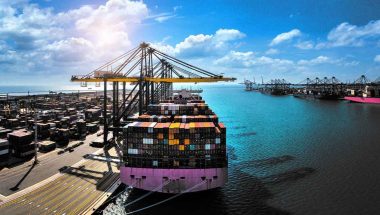
Companies are strengthening supply chains, enhancing program management, and investing in data-driven decision-making, says Madhani, adding that in sectors such as real estate, the focus is shifting toward long-term, community-centric developments aligned with the UAE’s 2040 vision.
“Resilience is becoming more structured and less improvised,” says de Luna. “Companies are improving business continuity planning, tightening working capital discipline, diversifying supply chains where sensible, and investing more in cybersecurity, risk management, and governance. Those that invest in long-term capability and institutional discipline will reinforce that role and benefit from it.”