- | 9:00 am
The Strait of Hormuz crisis is becoming a global cost-of-living shock
Rising energy, shipping, and fertilizer costs are exposing vulnerabilities across global supply chains


The economic consequences of disruption in the Strait of Hormuz do not stop at the petrol pump. They travel through freight contracts, insurance premiums, fertilizer shipments, packaging costs and food supply chains, eventually appearing in household bills around the world.
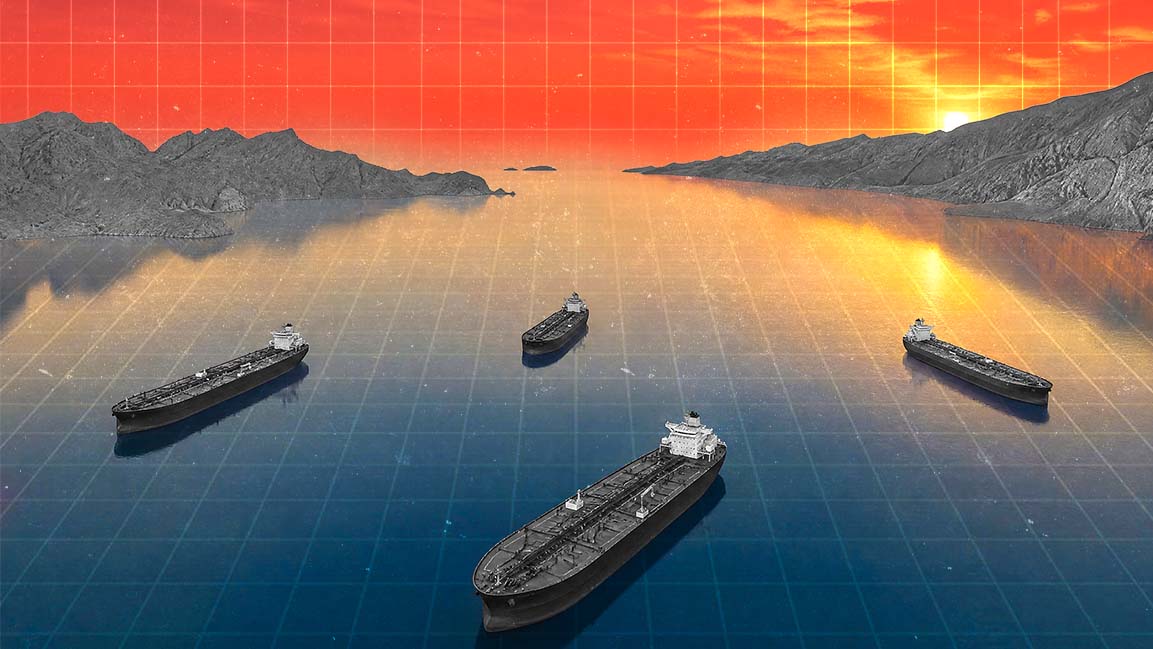
The Strait is one of the most consequential bottlenecks in the global economy. Roughly a fifth of global oil consumption and about a quarter of internationally traded liquefied natural gas pass through it. When traffic is interrupted or merely becomes more dangerous and expensive, the effects spread well beyond energy markets.
Oil and fuel prices usually react first. Shipping and insurance costs follow. Businesses then face higher expenses for transporting, manufacturing, refrigerating and packaging goods.
“The disruption continues to place pressure on global supply chains, particularly through higher energy, transport, insurance, and logistics costs, all of which can influence retail prices,” says Mark Mortimer-Davies, CEO of Choithrams.
“Even where prices have remained relatively stable, consumers may still feel the impact through the broader cost of traveling and running a household,” adds Mortimer-Davies.
Nagham Hassan, a market analyst at eToro, says the conflict has had wide-reaching effects. “The war didn’t stay in the Gulf—it spread to kitchens and fuel tanks worldwide. Energy underpins almost every price a household pays, so a strike near the Strait means a bigger grocery bill in Manila or a higher electricity bill in Milan.”
The disruption highlights how important the Strait of Hormuz is for global energy. Vijay Valecha, Chief Investment Officer at Century Financial, points out that “although consumers may not directly notice events there, they continue to feel the impact every time they fill up their car, pay electricity bills, buy groceries, or shop for everyday goods.”
Even if oil supplies are not badly disrupted, rising tensions make shipping insurance, freight, and oil prices go up. “All these costs eventually get passed on to consumers,” Valecha adds.
According to the World Bank, a 10% rise in crude oil prices can push global food prices up by about 2 to 3% over time, since higher energy costs affect farming, processing, and transport. “That’s why energy shocks often have a much broader impact on household budgets than fuel alone,” says Valecha.
“While oil prices may stabilize after initial volatility, the increased costs of shipping, insurance, inventory buffers, and logistics continue to filter through to consumers,” says Sathya Maren, Founder of CXingularity. “This means households experience higher costs not only at the fuel pump, but also across groceries, utilities, transportation, and imported goods.”
“The Strait of Hormuz crisis is no longer just an energy story; it has become a broader cost-of-living issue, with higher transport and input costs rippling through the global economy,” he adds.
FOLLOWING THE SHOCKWAVE
Hassan explains that the effects have spread through the connected systems that support daily life.
“Three lines took the biggest hit. Fuel first, because transport touches every product on the shelf. Then, packaging, since plastics, aluminum, and synthetic fabrics all trace back to Gulf feedstocks. Then food, through fertilizer,” Hassan says.
“S&P Global reports fertilizer prices already up about 10% since the war began, and that bill shows up months later in bread, rice, and vegetables.”
Because these costs take time to show up, consumers keep feeling the pressure even after commodity markets start to settle down.
“The world’s supply chain doesn’t reset the day ships sail again,” says Hassan. “Freight contracts, harvest cycles, and wage negotiations move more slowly than oil prices.”
“Supply chains rarely adjust as quickly as commodity markets,” says Maren. “Even when oil prices ease, businesses have already incurred higher procurement, transportation, and inventory costs.”
She also points out that supply disruptions now can lead to problems much later on.
“A late fertilizer shipment today becomes a smaller harvest next season. Refined fuel prices always fall more slowly than crude on the way down so that consumers won’t see lower prices at the pump immediately.”
WHY THE COST OF MOVING GOODS MATTERS
Energy prices are usually the first sign of trouble, but experts say the bigger impact comes from the cost of moving goods.
Valecha adds, “The biggest knock-on effects for Gulf households are likely to appear in transport, food, and household energy costs, but the transmission is not uniform across the region.”
Fuel is the most immediate channel, he explains, because disruptions around the Strait increase the cost of crude, refined products, shipping, and marine insurance.
“Even where governments cushion consumers through regulated prices or subsidies, higher logistics and operating costs can still feed into taxi fares, delivery charges, air travel, and the cost of moving goods across the region.”
Food is another big pressure point for Gulf economies, since they depend a lot on imports.
“The impact is not limited to the price of the commodity itself,” says Valecha. “A disruption can increase freight rates, insurance premiums, port costs, and delivery times.”
“Higher fuel and freight costs increase the price of moving goods, which ultimately raises grocery prices and the cost of consumer products,” says Maren. “For import-dependent economies, these effects are often more pronounced due to increased shipping and insurance premiums.”
These pressures are especially significant for products with complex supply chains, including fresh produce, chilled goods, and frozen foods.
“The key point is that the largest immediate pressure on Gulf household budgets may not necessarily be a sharp increase in petrol prices. It is the broader cost of moving people, food, and goods,” Valecha says.
“If the disruption persists, these higher transport, insurance, and supply-chain costs are more likely to work their way into everyday prices gradually.”
THE IMPACT OF THE ECONOMIC SHOCKS
One of the biggest challenges is that supply chains usually take longer to recover than financial markets.
“The economic aftershock often outlasts the original event because companies are still working through decisions and costs created during the period of uncertainty,” says Sunil Thomas, Managing Director at Shark Matrix Technologies LLC.
“A crisis can fade from headlines long before disappearing from a company’s costs.”
“Many companies also maintain higher safety stock levels and absorb increased financing and insurance expenses,” says Maren. “These costs gradually pass through the value chain, meaning consumers continue to feel the impact long after the immediate geopolitical event has subsided.”
Thomas says the impact is often not felt through one dramatic increase, but through a series of smaller adjustments across everyday spending.
“Businesses face higher insurance, shipping, and operating expenses, deciding how much to absorb,” Thomas adds. “Consumers see a series of smaller price increases across daily spending rather than one dramatic hike.”
WILL THE SHOCK FADE?
The main question is whether this disruption is a longer-lasting change in costs.
Much depends on duration. “If shipping routes and energy markets stabilize, some cost pressures should gradually ease,” says Mortimer-Davies.
“However, if elevated fuel, insurance, and transport costs persist over a prolonged period, some increases could become embedded in business costs and contribute to broader inflation.”
Maren agrees that much depends on how long disruptions continue. “A short-term event typically results in temporary price increases. However, prolonged geopolitical uncertainty can embed higher logistics, insurance, and energy costs into business operations, making inflation more persistent.”
Valecha says countries with subsidies and regulated pricing mechanisms may shield consumers from immediate increases.
“The key factor is how governments manage fuel prices,” he says. “Where fuel and electricity are subsidized, or prices are capped, much of the rise in oil prices is absorbed before it reaches households.”
But it is harder to avoid indirect costs.
“The bigger risk for the region is the indirect one,” Valecha says. “Fewer tankers moving through Hormuz means higher shipping and logistics bills, and that lands on top of rising global food and fertilizer prices, which hit import-reliant Gulf economies hard.”
Hassan says some of the shock may fade, but parts of it could become more persistent. “Central banks view persistent inflation as a reason to keep interest rates higher for longer, and that feeds through to mortgages, credit cards, and business loans.”

Featured Videos
How can the circular economy enable businesses to achieve sustainability?