- | 2:00 pm
Dubai approves five-year plan to expand pedestrian and cycling network by 2030
The initiative will add pedestrian and cycling infrastructure across 25 residential areas and upgrade connections around 63 public transport stations.
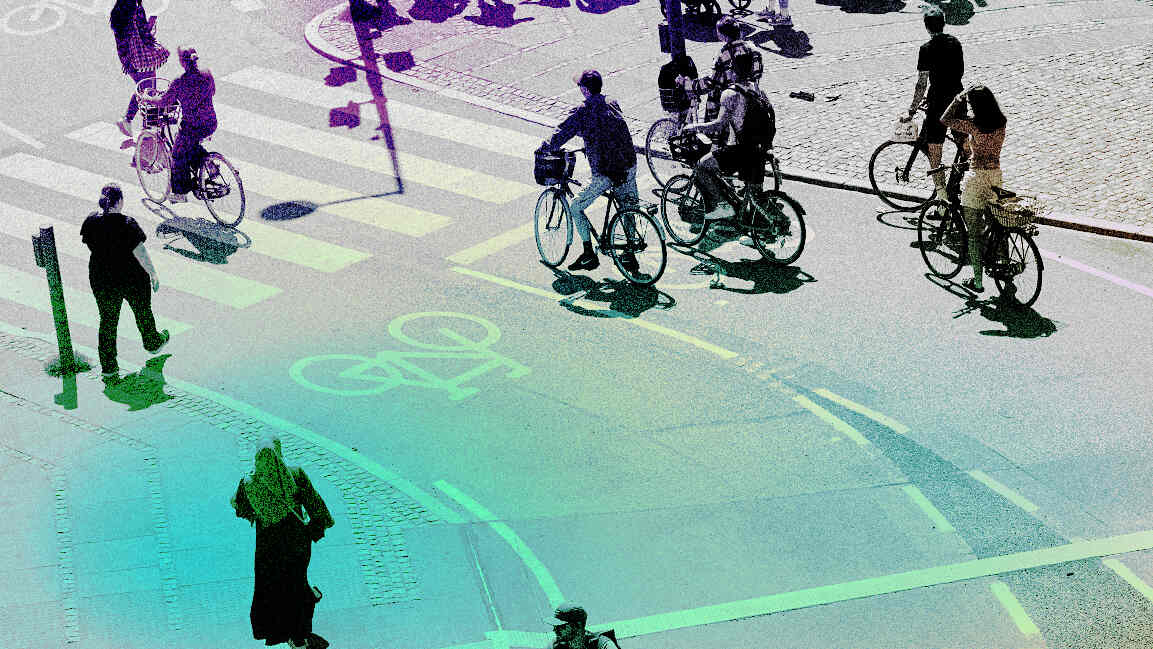


Dubai’s Roads and Transport Authority (RTA) has approved a five-year plan to expand the emirate’s soft mobility network, strengthening pedestrian and cycling infrastructure as part of its efforts to create a more integrated and sustainable urban transport system.
Running through 2030, the plan aims to improve connectivity between residential communities and public transport stations, supporting first- and last-mile journeys while making daily travel safer, more convenient, and more accessible for residents and visitors.
Under the initiative, infrastructure upgrades will be carried out across 25 residential areas, bringing the total number of upgraded communities to 34. The project will also enhance mobility infrastructure around 63 public transport stations across Dubai by 2030.
Planned improvements include dedicated pedestrian and cycling tracks, safer pedestrian crossings, shaded walkways, urban landscaping, and parking facilities for shared mobility services such as bike-sharing and e-scooter operators.
The areas selected for development will be based on several factors, including proximity to public transport, passenger demand, population density, land-use patterns, existing pedestrian and cycling infrastructure, and future growth plans outlined in the Dubai 2040 Urban Master Plan.
According to RTA data, pedestrian trips in Dubai increased by 5%, rising from 326 million in 2024 to 342 million in 2025. Cycling trips grew by 23% over the same period, increasing from 46.6 million to 57.3 million, while e-scooter trips rose from 32.3 million to 39.6 million.
RTA said the maturity of mobility infrastructure around public transport stations has reached 87%, while overall pedestrian satisfaction across Dubai has increased to 89%.
The authority has already implemented soft mobility improvements in nine residential areas, including Al Mankhool, Al Qusais, Al Karama, Al Barsha 1 and 2, Al Khawaneej 2, Hor Al Anz, Abu Hail, and Al Souk Al Kabeer.

Featured Videos
Today's Top Stories:
More Top Stories:



FROM OUR PARTNERS