- | 11:00 am
Dubai strengthens logistics hub status with 82% surge in air cargo imports
Dubai strengthened regional supply chains as air cargo volumes jumped between January and May 2026.



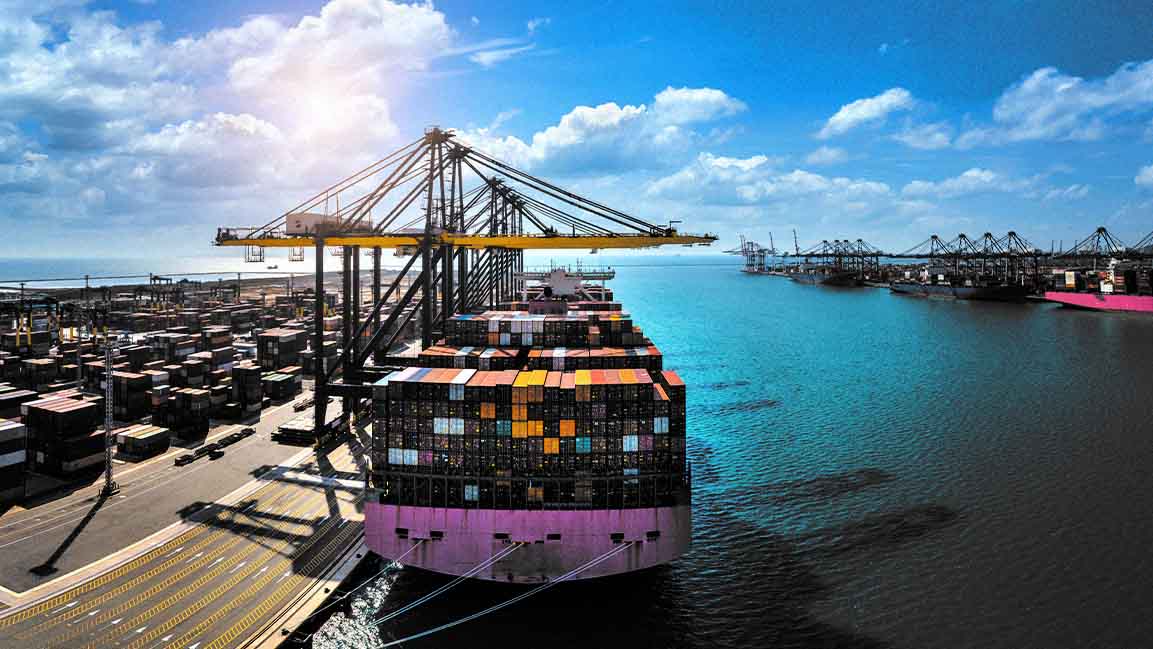
Dubai strengthened its role as a regional logistics hub in the first five months of 2026, with imported goods cleared through its two major air cargo facilities rising by more than 82% amid mounting pressure on global trade and supply chains.
In partnership with Emirates SkyCargo, Dubai Customs operated an integrated logistics system across Dubai International Airport’s Cargo Village and Al Maktoum International Airport Air Cargo Center to ensure the uninterrupted flow of essential goods to local and regional markets.
Imported goods cleared through the two facilities increased from 26.6 million kilograms in January to 48.3 million kilograms in May 2026, representing a growth of more than 82%.
Daily cargo handling capacity also expanded during the period, with the maximum daily volume processed rising from 1.2 million kilograms in January to 2.1 million kilograms in May.
The operations were aimed at accelerating customs clearance, expanding cargo-handling capacity, and strengthening food and pharmaceutical security across Dubai and the wider Gulf region, as geopolitical developments continued to disrupt global supply chains.
Dubai also leveraged its logistics infrastructure to support the movement of essential goods across the GCC. Through May 2026, Dubai Customs and Emirates SkyCargo facilitated 529 truck trips carrying 2,636 tonnes of goods, including meat, pharmaceutical products, and general merchandise.
The initiative established a supply corridor linking Dubai’s air cargo operations with markets across the region, helping sustain the movement of essential shipments during periods of disruption.
Abdulla bin Damithan, Chairman of the Ports, Customs and Free Zone Corporation, said Dubai’s response reflected long-term investments in resilience, agility, and preparedness.
“Every challenge is an opportunity to demonstrate our efficiency and reinforce Dubai’s role as a trusted global trading hub,” he said.
Dubai Customs also deployed smart initiatives, including the Green Corridor and Shahin initiative, to create faster channels for priority shipments such as food, pharmaceuticals, and other essential goods.
Customs and inspection teams operated around the clock, while additional measures were introduced at both cargo facilities to expand capacity and accelerate shipment processing. These included increasing field inspections, utilizing additional space at the main cargo terminal, and introducing new inspection windows to ease congestion.
Dr. Abdulla Busenad, Director-General of Dubai Customs, said collaboration between government entities and strategic partners had helped maintain uninterrupted trade flows amid shifting regional and global conditions.
He added that Dubai Customs would continue investing in digital solutions and smart services in line with the Dubai Economic Agenda D33 to strengthen the UAE’s position as a global trade hub.
Badr Abbas, Divisional Senior Vice President at Emirates SkyCargo, said Dubai’s infrastructure and strategic partnerships had helped sustain trade continuity and accelerate logistics operations.
He added that Emirates SkyCargo would continue investing in smart solutions and expanding its operational capabilities to support global trade and strengthen supply chain resilience.
This version tightens the language, reduces repetition, and improves the flow while retaining a news-style tone.

Featured Videos
Today's Top Stories:
More Top Stories:

FROM OUR PARTNERS