- | 12:00 pm
Egypt’s $60 billion FDI ambition signals a new phase of economic momentum
Fitch says Egypt is well-positioned to attract foreign investment across manufacturing, renewable energy, infrastructure, and technology.
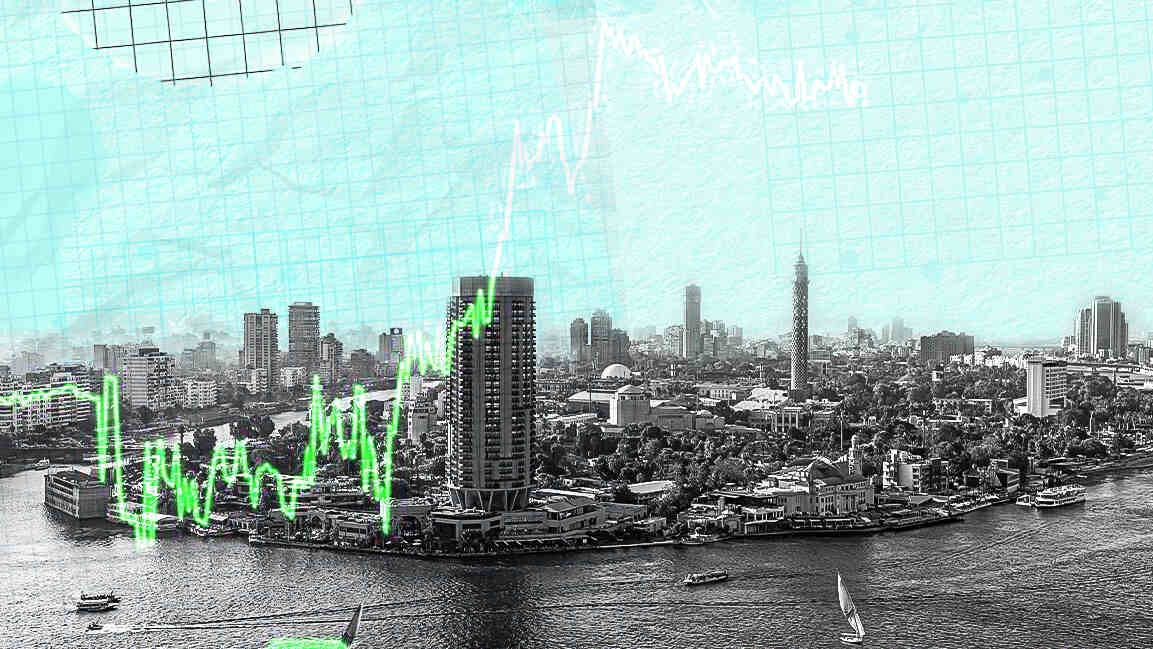


Egypt has ranked third among 18 markets in the Middle East and North Africa (MENA) region and 27th globally out of 202 countries for investment openness, according to a Fitch Ratings report reviewed by the Cabinet’s Information and Decision Support Center (IDSC).
The report highlights Egypt’s growing potential to attract foreign direct investment (FDI), supported by rising inflows across sectors such as oil and gas, automotive, information and communications technology (ICT), food manufacturing, renewable energy, infrastructure, and financial services.
Fitch notes that several structural factors continue to strengthen Egypt’s appeal to investors, including steady economic growth, a strategic geographic location, competitive labor costs, a skilled workforce, a large domestic market, energy resources, and strong tourism potential.
The agency also points to Gulf financing as a key driver of investment activity. It adds that maintaining a flexible exchange rate, in line with International Monetary Fund (IMF) recommendations, is expected to support foreign currency inflows in the short- to medium-term.
Egypt is targeting around $60 billion in FDI between 2026 and 2030, a goal Fitch considers achievable. According to the report, Egypt typically attracts between $9 billion and $11 billion in annual FDI, excluding large-scale mega projects. By comparison, total FDI flows into Africa are usually below $60 billion per year.
Fitch also identifies Egypt as one of North Africa’s leading investment destinations for multinational companies, particularly in automotive, pharmaceuticals, and electronics. Recent reforms have helped improve the investment climate. These include the introduction of a single approval system for project licenses and permits in 2023, as well as financial incentives for green hydrogen projects.
At the same time, investment in manufacturing, infrastructure, and special economic zones continues to gain momentum.
The report highlights growing international interest in Egypt, including Chinese investments linked to the Belt and Road Initiative. This initiative aims to channel around $400 billion into more than 600 projects across 57 member states of the Organization of Islamic Cooperation by 2030.
Egypt is considered a key participating economy, with major projects focused on the Suez Canal Economic Zone and transport infrastructure.
Fitch also expects Egypt to lead the region in renewable energy capacity growth. Policy reforms introduced since 2014 have opened the energy market to private sector participation and reduced electricity subsidies, helping accelerate investments in solar and wind energy. These measures are expected to deliver long-term industrial benefits.
Egypt is aiming to generate 42% of its electricity from renewable sources by 2030, five years ahead of its previous target.
The report also points to growing efforts to attract FDI into coastal development and tourism projects, particularly along the North Coast. The real estate sector remains a major pillar of the economy, accounting for around 20% of gross domestic product.
Egypt’s FDI stock is currently the largest in North Africa, ranking third regionally after Saudi Arabia and the United Arab Emirates.
Fitch says this position has been supported by a series of policy reforms, including the introduction of the golden license in May 2022. The license provides unified approval for establishing, operating, and managing investment projects within 20 working days, helping reduce bureaucracy and speed up market entry.
Egypt’s broader investment framework is also supported by Investment Law No. 72 of 2017, which offers tax incentives, simplified procedures, and guarantees for investors, including the repatriation of profits and equal treatment for foreign and domestic companies.
Amendments introduced under Law No. 160 of 2023 have expanded incentives and aim to improve the geographic distribution of investments.
Fitch also highlights Egypt’s free zones and investment zones, which offer tax and customs exemptions, simplified procedures, and integrated infrastructure. Special economic zones, including the Suez Canal Economic Zone and the Golden Triangle Zone, continue to attract international investment through streamlined regulations and sector-focused development strategies.
According to the report, Egypt’s FDI inflows are primarily sourced from the European Union, the United States, and Arab markets. The UAE ranked as the country’s largest investor in 2024–2025, followed by the US, the UK, Italy, Saudi Arabia, and Kuwait.

Featured Videos
Today's Top Stories:
More Top Stories:


FROM OUR PARTNERS