
- | 12:00 pm
Qatar boosts logistics ambitions with $2 billion market and investment incentives
The strategy is centered on Ras Bufontas and Umm Alhoul free zones, offering direct access to global air and sea routes.
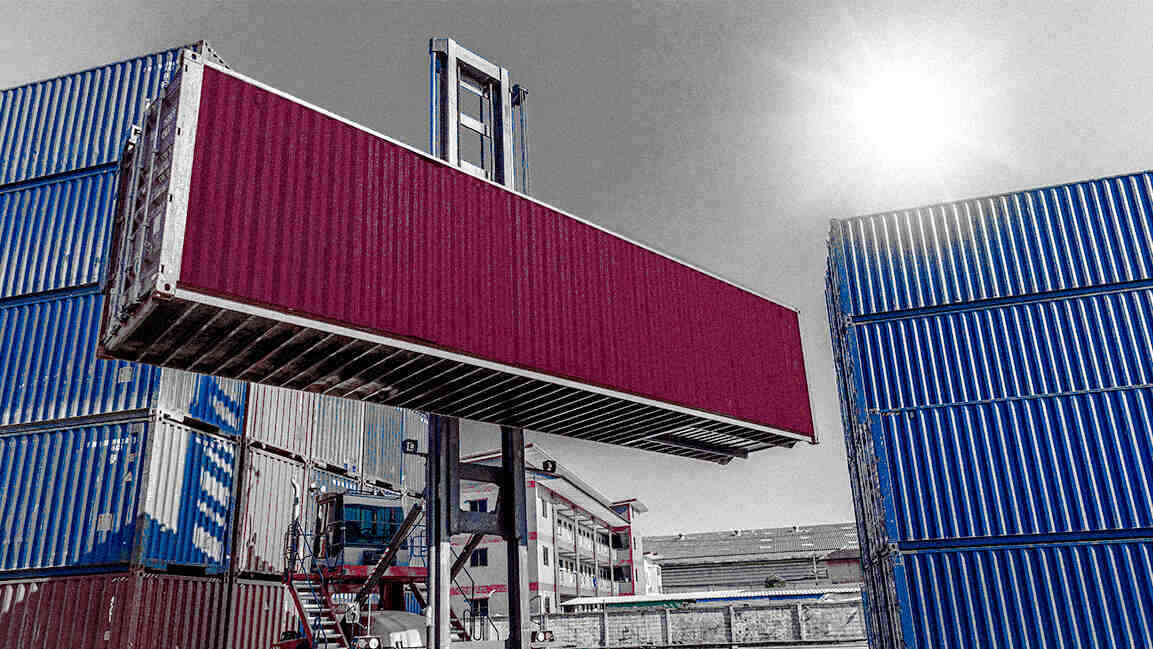


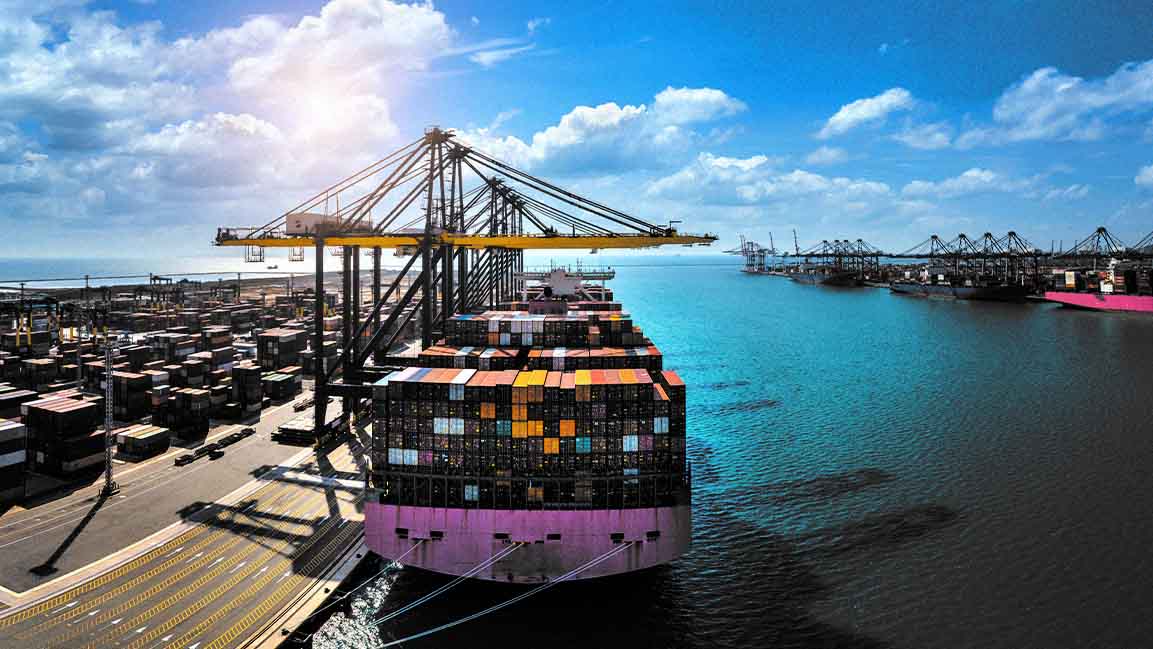
Qatar is strengthening its position as a regional logistics and trade hub through major infrastructure investments, enhanced investment incentives, and a logistics market valued at more than $2 billion, according to a report aired by Qatar TV.
The country has invested billions of riyals in developing an integrated logistics ecosystem centered on Hamad Port, Hamad International Airport, modern road networks, and specialized logistics zones. The infrastructure supports Qatar National Vision 2030 by boosting global trade, supply chains, and foreign investment.
The strategy is anchored by two free zones: Ras Bufontas, adjacent to Hamad International Airport, and Umm Alhoul, located near Hamad Port, which offer businesses direct access to international air and sea routes, alongside incentives such as 100% foreign ownership and streamlined business setup.
The report also highlighted Qatar’s strategic location, enabling businesses to reach nearly 60% of the world’s population within an 8-hour flight and to access markets of more than 2 billion consumers within a 3,000-kilometer radius.
To attract further investment, Qatar introduced new incentives in 2025, reducing annual land rental fees by up to 50% in selected industrial and logistics zones. The country has also launched a $1 billion investment incentives program covering up to 40% of investment costs in strategic sectors, including logistics.
Industrial affairs expert Dr. Khalid Al Buainain said logistics infrastructure is fundamental to every productive sector of the economy.
“Efficient logistics infrastructure is essential for manufacturing, exports, imports, food security, and commercial security,” he said, adding that “without well-developed logistics zones, industrial production and trade become significantly more expensive and less competitive.”
He noted that logistics costs, including importing and storing raw materials, warehousing, transportation, exports, and distribution, can often exceed manufacturing costs, making efficient logistics systems essential for industrial competitiveness.
Dr. Al Buainain also highlighted the complementary role of Hamad Port and Hamad International Airport, noting that the port can handle more than seven million containers annually, while the airport was designed to serve over 50 million passengers and significant air cargo volumes.
“The seamless integration between the port and the airport enables efficient multimodal transportation, allowing goods arriving by sea to be re-exported by air, and vice versa, at competitive logistics costs,” he said. “This connectivity strengthens Qatar’s appeal as a regional distribution and re-export hub.”

Featured Videos
Today's Top Stories:
More Top Stories:

FROM OUR PARTNERS