
- | 1:00 pm
Saudi aluminum demand could reach 1.8 million tons annually by 2030
The construction of 15 stadiums for the tournament is expected to drive demand.


Saudi Arabia’s aluminum demand could reach 1.6-1.8 million tons annually by 2030, up from around 1 million tons currently, as infrastructure projects and preparations for the 2034 FIFA World Cup drive consumption, according to a Maaden executive.
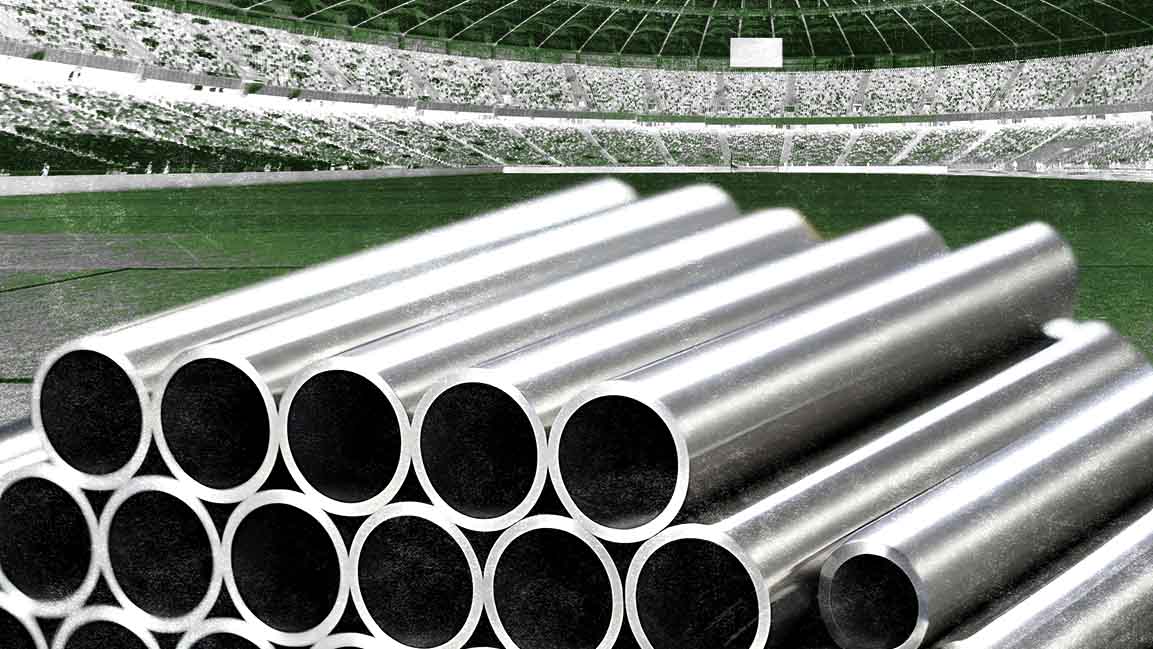
Ahmad Al-Alshaikh, executive vice president of Maaden’s Aluminum Business Unit, said the construction of 15 new stadiums for the tournament is among the projects contributing to higher demand. He was speaking on the sidelines of the Fastmarkets International Aluminium Conference in Budapest.
Al-Alshaikh also said Saudi aluminum consumption could potentially double within five to seven years. Maaden currently produces around 780,000 tons of primary aluminum and about 1 million tons of cast metal annually, with approximately 85% of its production sold in the domestic market.
The projected increase comes as Maaden’s aluminum business records stronger financial performance. The division posted its highest quarterly performance on record in Q2 2026, with revenue rising 49% year-on-year to $1.01 billion and EBITDA more than doubling to $411 million. Realized aluminum prices increased 51% to $3,915 per ton, while production reached 242,000 tons.
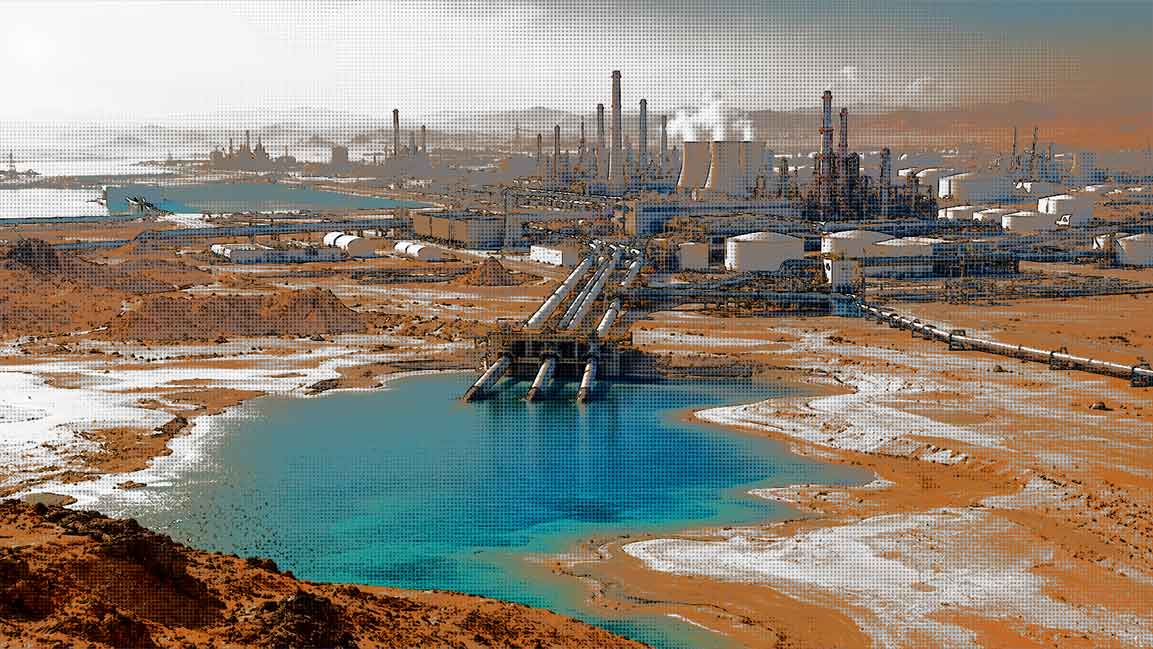
The growth in demand is also tied to Saudi Arabia’s broader efforts to expand domestic industrial capacity. Aluminum is used across sectors including automotive, aerospace, renewable energy and advanced manufacturing, with Maaden’s integrated complex in Ras Al-Khair serving as a key part of the Kingdom’s aluminum value chain.
Saudi Arabia is also developing additional downstream capacity. In January, then-Industry Minister Bandar Alkhorayef said initial terms had been signed with Red Sea Aluminum Holdings for an integrated aluminum complex in Yanbu.
Al-Alshaikh said the recent US-Israeli war on Iran had a limited impact on Maaden, adding that Gulf Cooperation Council countries had worked together to mitigate its effects.

Featured Videos
Today's Top Stories:
More Top Stories:




FROM OUR PARTNERS