- | 12:00 pm
Sheikh Hamdan approves AED18 billion in projects to shape Dubai’s future
The approvals span culture, infrastructure, investment, education, and digital governance.
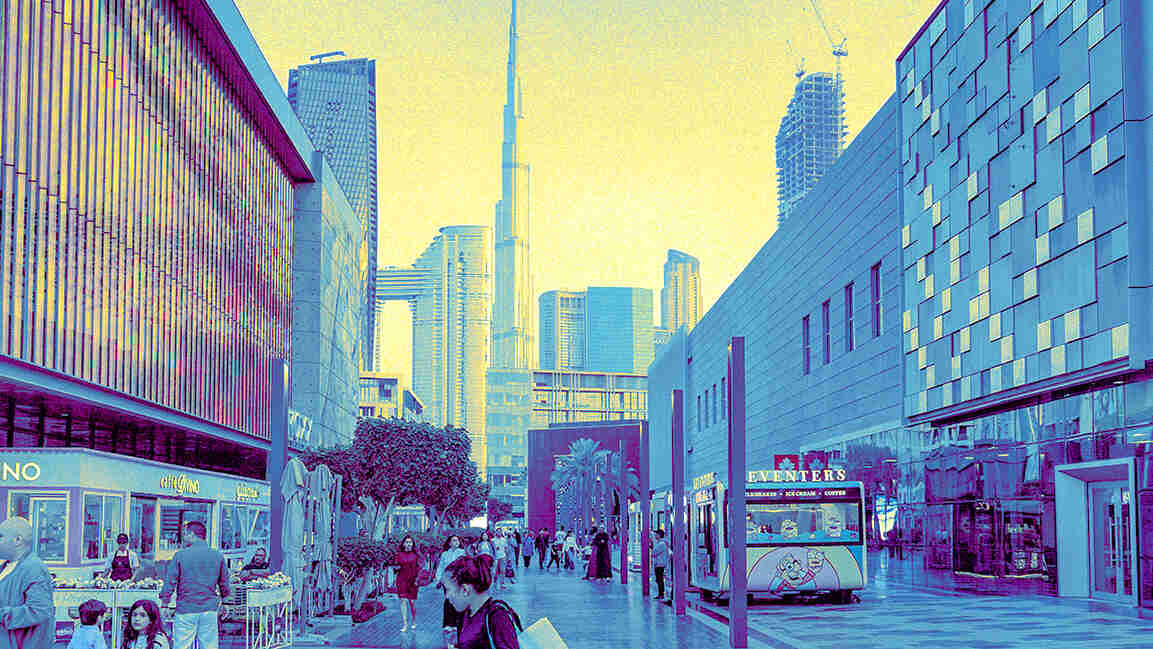


H.H. Sheikh Hamdan bin Mohammed bin Rashid Al Maktoum, Crown Prince of Dubai, Deputy Prime Minister, Minister of Defense, and Chairman of The Executive Council of Dubai, has approved a series of strategies and projects worth AED18 billion aimed at enhancing quality of life and supporting the emirate’s long-term economic and social development.
Approved during a meeting of The Executive Council, the initiatives span culture, trade, infrastructure, education, investment, urban planning, digital governance, and finance, aligning with Dubai’s broader ambitions under the Dubai Plan 2033 and Dubai Social Agenda 33.
“Dubai, which has become synonymous with ambition and achievement, backs its words with action and continues to write new chapters of success,” Sheikh Hamdan said, adding that the latest approvals reflect the emirate’s commitment to planning for the future while delivering tangible improvements for residents today.
Among the key announcements was the approval of the Dubai Cultural Strategy 2033, which seeks to position Dubai as a global cultural and creative hub while preserving the UAE’s heritage. Overseen by Dubai Culture and Arts Authority, the strategy includes 40 initiatives designed to support more than 6,000 local talents, attract over 6,000 international creatives, increase the city’s cultural assets by more than 200%, and raise the sector’s contribution to GDP to 5.4%.
The Executive Council also approved the Dubai Customs Strategy 2030, which focuses on streamlining trade, strengthening economic partnerships, improving security and compliance, and enhancing customer experience to reinforce Dubai’s position as a global trade hub.
Infrastructure was another major focus, with the approval of the First Al Khail Street Development Plan. The AED18 billion ($4.9 billion) project includes a 15-kilometre elevated corridor running parallel to Sheikh Zayed Road. Construction is scheduled to begin in the third quarter of 2027 and conclude by the end of 2030.
Once completed, the new corridor is expected to serve around 2.6 million residents, improve connectivity to Al Barsha, Al Quoz, Business Bay, and Meydan, reduce peak-hour travel times on Sheikh Zayed Road by 51%, and increase road capacity by approximately 9,000 vehicles per hour.
The Council also approved Dubai Population Now, a real-time population monitoring initiative led by the Dubai Data and Statistics Establishment under Dubai Digital Authority. Powered by artificial intelligence and predictive analytics, the platform will provide a live population clock to support policymaking in housing, healthcare, education, transport, and urban planning. Dubai’s population reached 4.58 million at the end of 2025, an increase of 332,000 residents, or 7.5%, compared with the previous year.
To strengthen Emiratization, the Executive Council approved the Emirati Talents Strategy in Private Education, which aims to increase the number of Emiratis working in the private education sector to 3,000 by 2033. The strategy introduces initiatives including teacher qualification programs, employment pathways, flexible Emiratization models, and opportunities for retirees to enter the education workforce.
The Council also launched the Dubai Investor Register, a unified platform for institutions and investors operating across the emirate. The register supports the Dubai Economic Agenda D33 by simplifying investment procedures, reducing administrative burdens, and helping achieve the target of attracting $177 billion in foreign direct investment by 2033.
In addition, Dubai approved a new visual identity for its address system, introducing standardized signage inspired by the emirate’s urban character. The project will be rolled out across 186 areas by 2029 to improve navigation and strengthen the identity of different districts.
Further reinforcing Dubai’s ambitions in financial innovation, the Executive Council approved the establishment of the Global Center for Technology and Innovation in Islamic Finance, to be managed by Dubai International Financial Center (DIFC) in partnership with global institutions. The center aims to position Dubai as a global hub for Islamic fintech, a market projected to reach $9.31 trillion by 2030.

Featured Videos
Today's Top Stories:
More Top Stories:



FROM OUR PARTNERS