
- | 10:00 am
Zegna introduces MEMORIE, a six-fragrance collection inspired by memory and heritage
Zegna’s MEMORIE challenges fragrance’s fixation on speed and novelty, turning instead to memory, material, and time as its core narrative.
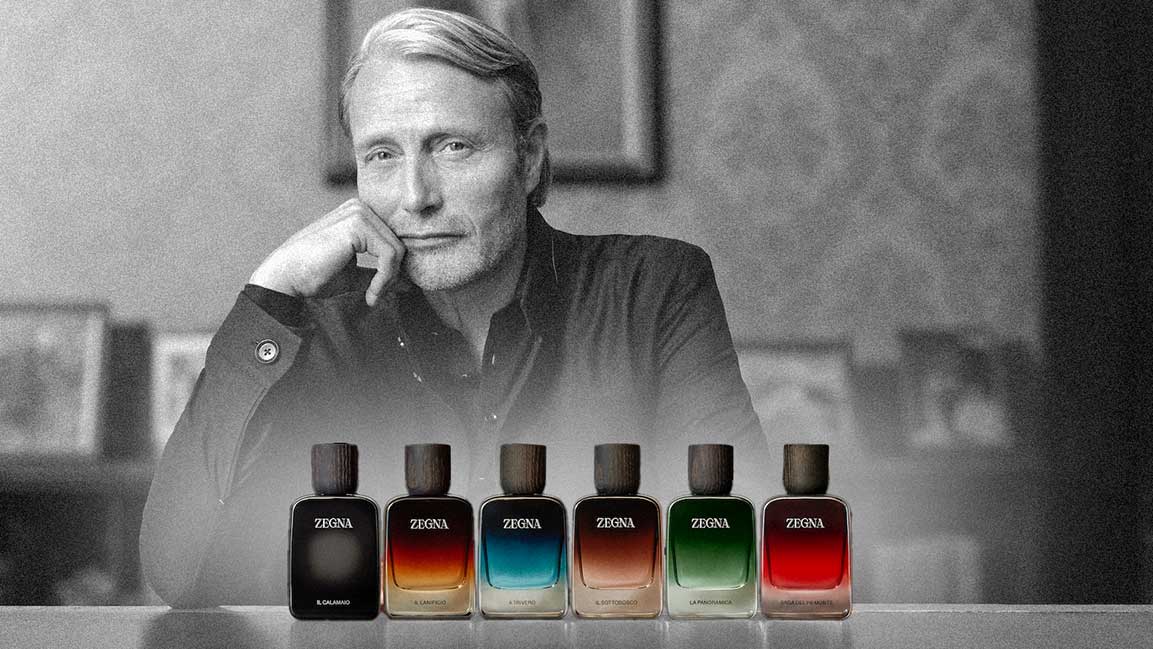


Luxury has a speed problem. The cycle has become familiar. Launch, drop, refresh, repeat. In the process, the things that tend to stay with you are often the first to disappear. The memory of a place. The feel of fabric shaped by hand. A scent that lingers long after the moment has passed.
Zegna’s MEMORIE, introduced in February, takes a different approach. It slows things down. The collection brings together six fragrances, each tied to a place, a material, or a moment drawn from the house’s past. Rather than presenting something entirely new, it looks back, tracing a line to 1910, when Ermenegildo Zegna founded his wool mill in Trivero, in the foothills of Piedmont.
There is a clear sense of continuity running through the collection. Cedarwood, earth, altitude, cold air. These are not abstract notes but references to a specific environment and way of working. The fragrances do not try to overwhelm. They build gradually, more like recollections than statements.
MEMORIE does not position itself as a typical fragrance line. It reads more like a personal archive, translated into scent. Something shaped as much by time and place as by composition.
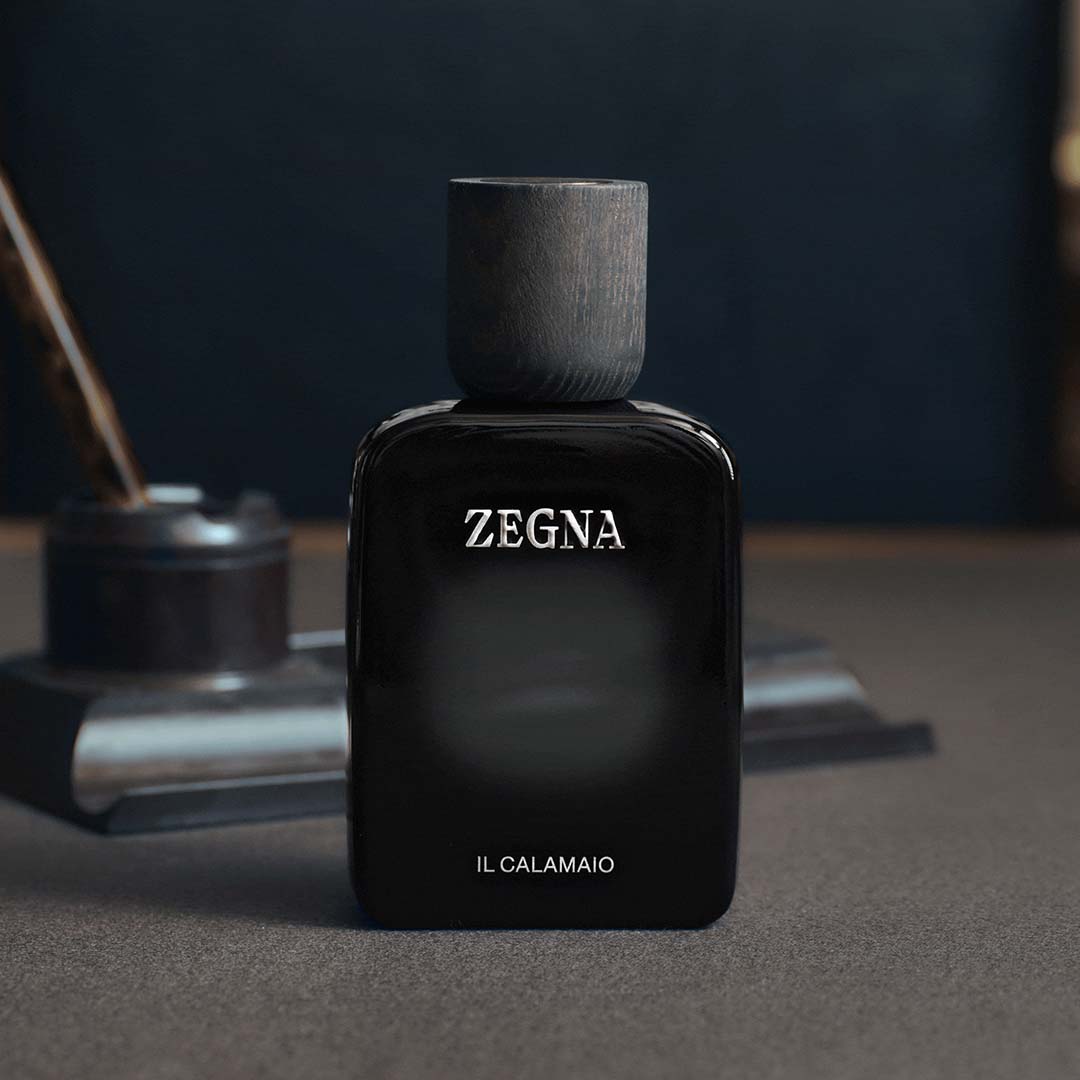
Il Calamaio — The inkwell
Il Calamaio focuses on the idea of a beginning. It draws on the quiet, in-between moment before a day properly starts, referencing early morning stillness and the act of writing. The opening is sharp, with bergamot and dry woods creating a cold, almost austere impression, similar to an unheated room at dawn. As it develops, a black tea accord moves in, adding weight and structure without shifting the overall restraint.
The composition stays controlled throughout. Nothing feels overly softened or embellished. Instead, it holds to a clear mood, built around focus and stillness rather than warmth or comfort.
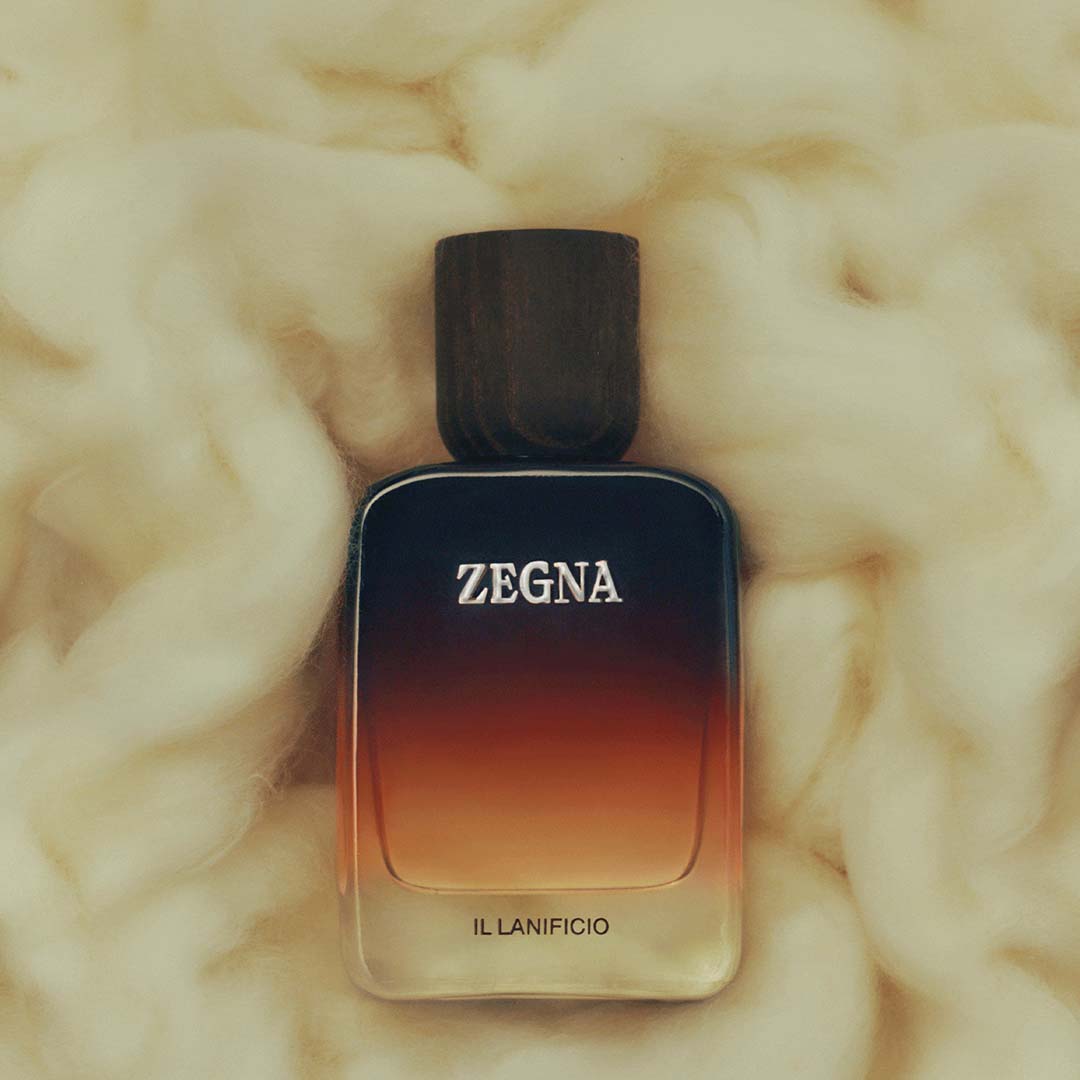
Il Lanificio — The wool mill
If Il Calamaio is the idea, Il Lanificio is where the work happens. Named for the mill that made Zegna, the scent stays close to that origin point, carrying the warmth of industry through notes that suggest lanolin-soft wool, warm stone floors, and the mineral trace of machinery in use.
Vetiver and musks anchor the composition, giving it an earthy, textured quality that reads less as perfume and more as material. It feels dense and steady, built around function rather than effect. Of the six, it comes closest to the Zegna DNA, where craft is understood as process rather than something decorative.
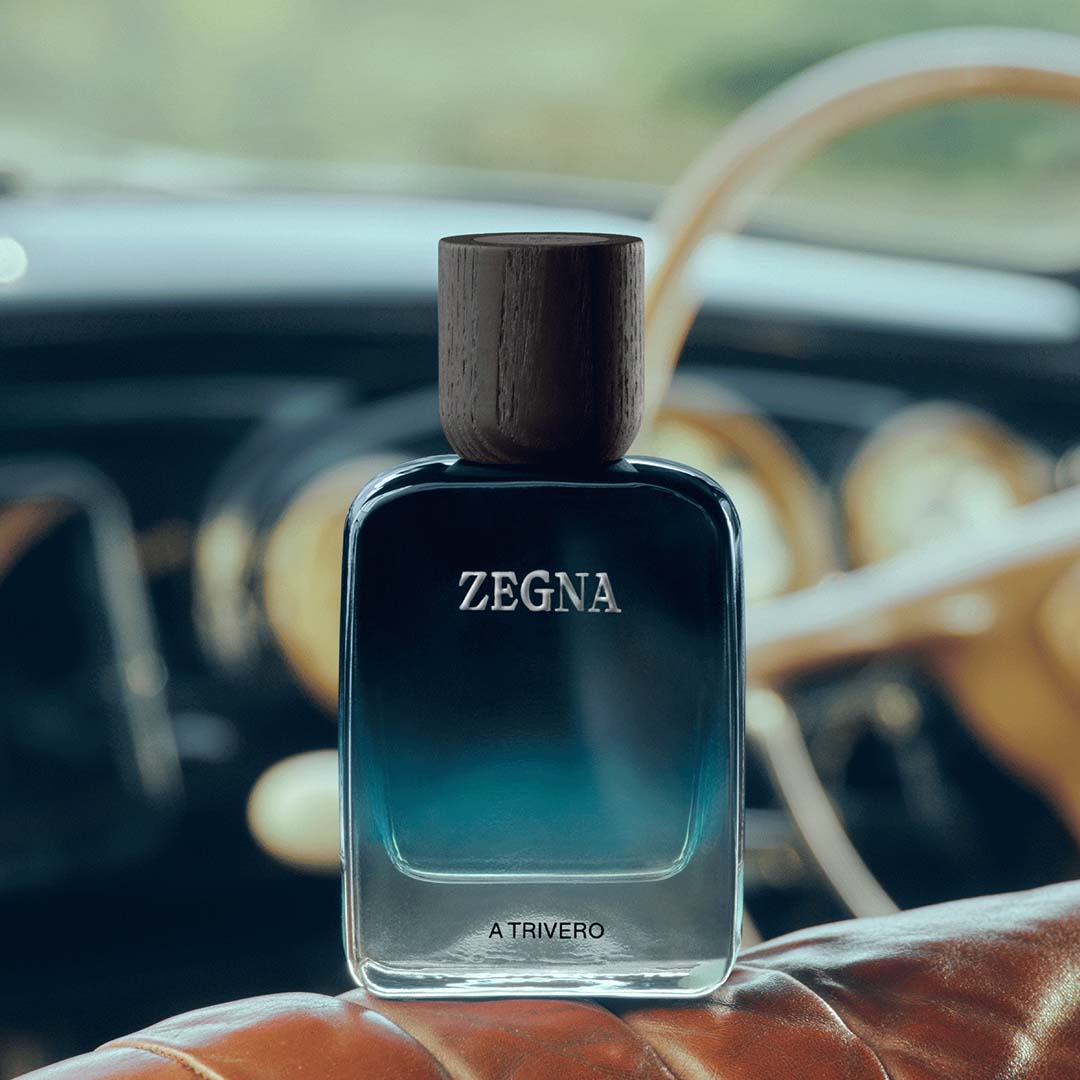
A Trivero — The road out
The most expansive of the six, A Trivero centers on the feeling of departure. Not loss, but the particular lightness that comes with leaving somewhere familiar. The opening is lifted by aldehydic notes, carrying a crisp, almost airy quality that recalls winter mountain air.
There is a sense of movement running through it. Something that holds both memory and momentum at once. It does not settle into nostalgia. Instead, it keeps its focus on what comes next, where every journey begins with a degree of uncertainty and a quiet confidence in where it might lead.

Il Sottobosco — The forest floor
The standout of the collection, and arguably the most interesting fragrance Zegna has produced, Il Sottobosco stays close to its central idea. Built around oakmoss, damp earth, and a cool green accord, it sits on the skin with a kind of quiet precision. There is a clarity to it. The effect is clean without feeling sparse, grounded without becoming heavy. It brings to mind that mid-afternoon shift, when stepping outside resets your sense of scale and whatever felt urgent begins to fall away. Rich without excess and complex without drawing attention to itself, this is the one that lingers.

La Panoramica — The mountain road
Named for the road built through the Oasi Zegna, the vast environmental reserve the family developed across decades, La Panoramica centers on long-term thinking. It opens austere, with cold pine and grey stone. Then, over time, something warmer arrives, with amber and benzoin, unhurried.
The drydown is the point. This one rewards patience. Much like the landscape it references, it reveals itself only to those willing to stay the course.
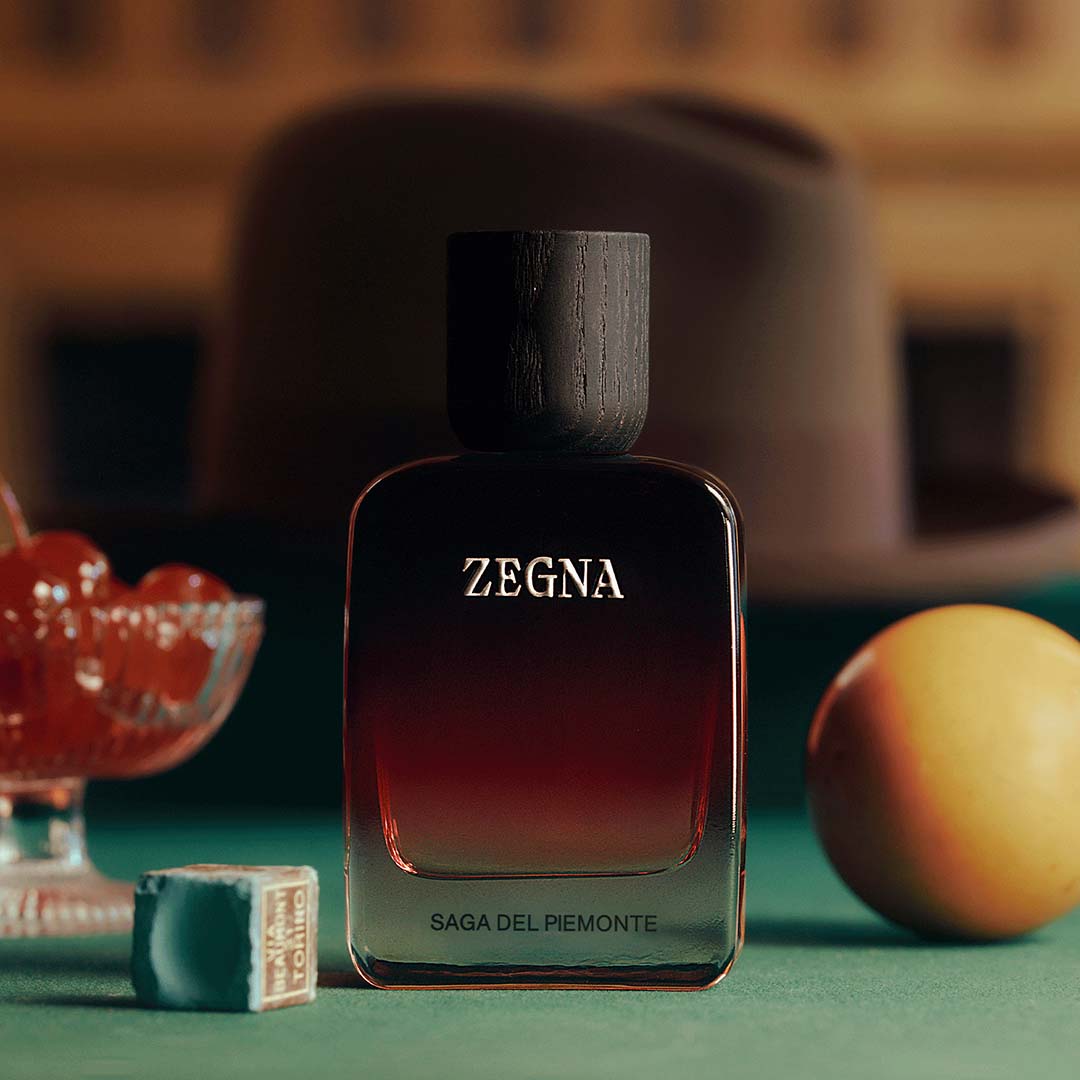
Saga del Piemonte — The evening tale
A fitting close. Warm, amber-rich, and contemplative, Saga del Piemonte draws on the feeling of an ending that holds weight. A fire going low, a glass almost empty, a conversation that has carried further than expected. Sandalwood and tobacco absolute give it structure, while a violet note keeps it from settling into nostalgia. This is the one that lingers on the skin and beyond it.
THE OBJECTS
Each fragrance is housed in a gradient glass bottle, the color shifting from deep at the base to near-clear at the neck, topped with an ash wood cap engraved with the Zegna family crest. The design is considered but not overstated. It feels like something meant to be handled over time rather than displayed and replaced.
All six are refillable. In fragrance, that is still relatively uncommon. The category tends to favor novelty over continuity. Here, the approach is more measured. The bottle is treated as something to return to, not move on from, which aligns with how the scents themselves are positioned.
WHY IT MATTERS NOW
MEMORIE is not a collection that lends itself to quick judgment. It works better over time.
The fragrances sit slightly outside the usual rhythm of the category, which tends to prioritize novelty. There are no obvious attempts to chase trends or create moments. Instead, the focus is on something more sustained, compositions that hold their shape and reveal themselves gradually.
Tying the collection so closely to the Zegna family’s history carries a certain risk. It could easily turn inward, becoming overly referential. That does not quite happen here. The scents hold on their own, with the backstory functioning as context rather than justification.
Fragrance, at its most effective, is less about ownership and more about experience. It is shaped by mood, memory, and the specifics of time and place. MEMORIE leans into that idea. It does not simply reference heritage. It engages with time, and the way it is felt, remembered, and carried.