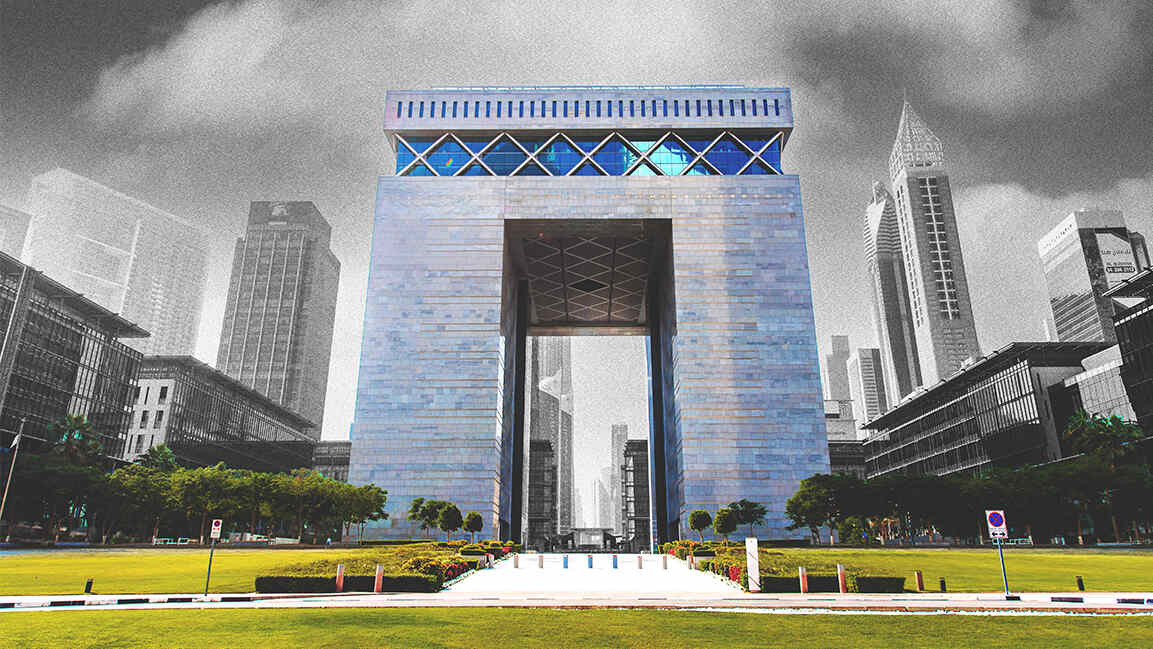
DIFC hosts 2,000+ AI and fintech companies as global tech spending approaches $5.6 trillion
DIFC's ecosystem has grown since the launch of its FinTech Hive accelerator less than a decade ago.
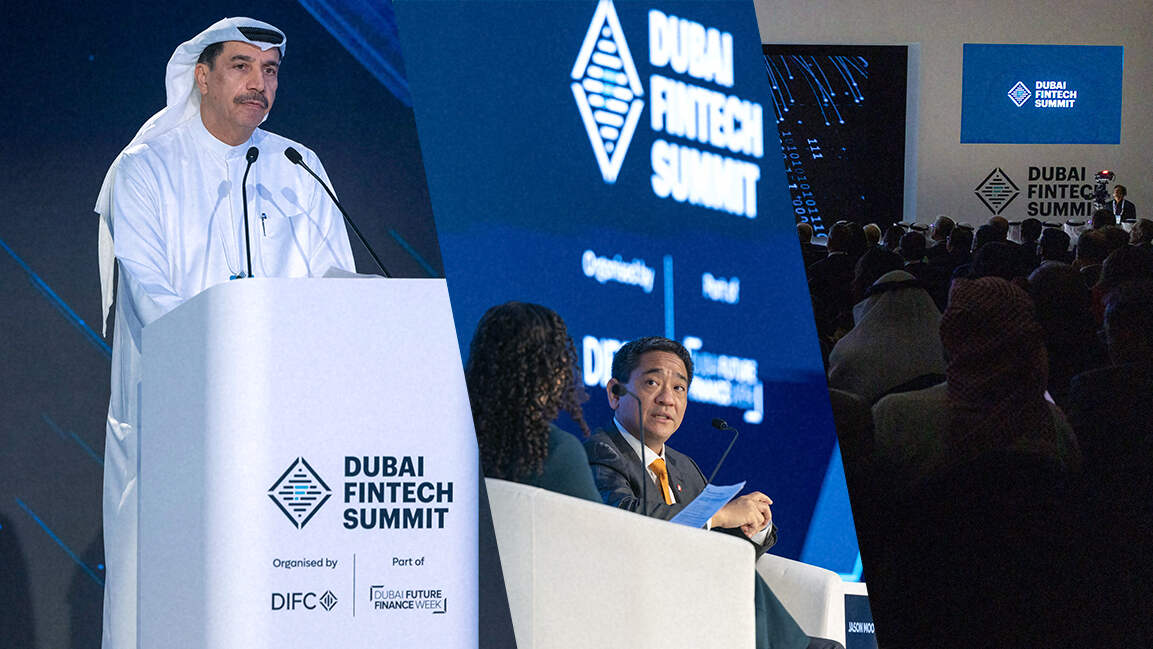


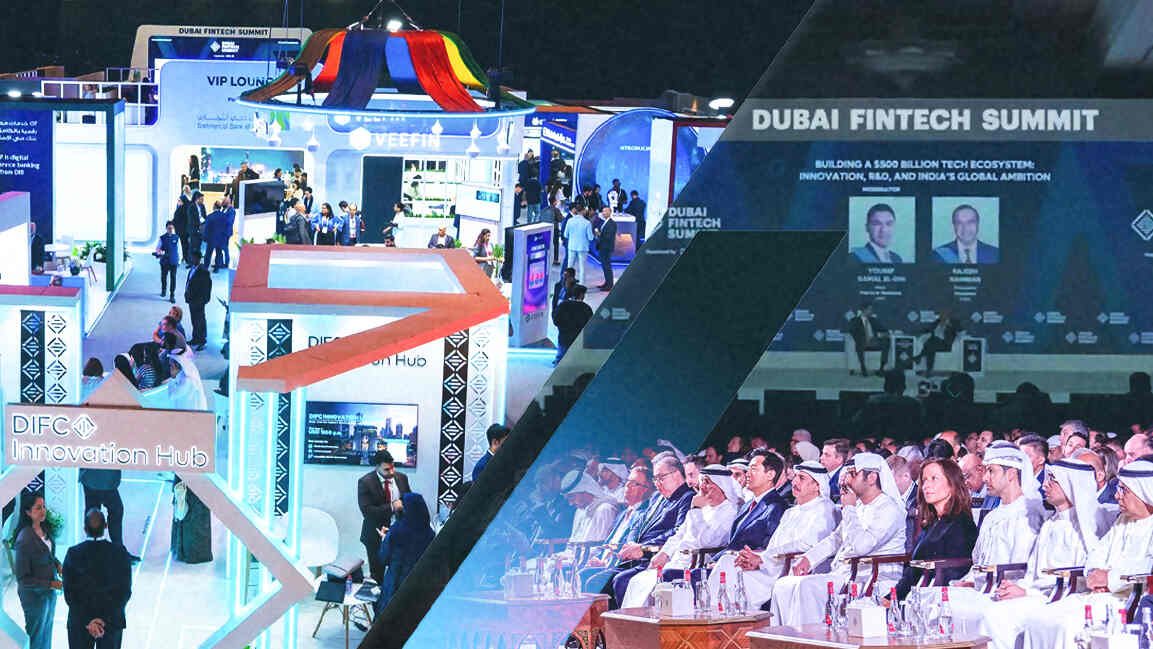
Dubai International Financial Centre (DIFC) now hosts more than 2,000 artificial intelligence, financial technology and innovation companies, according to Arif Amiri, CEO of DIFC Authority, who announced the milestone during the second day of the Dubai FinTech Summit.
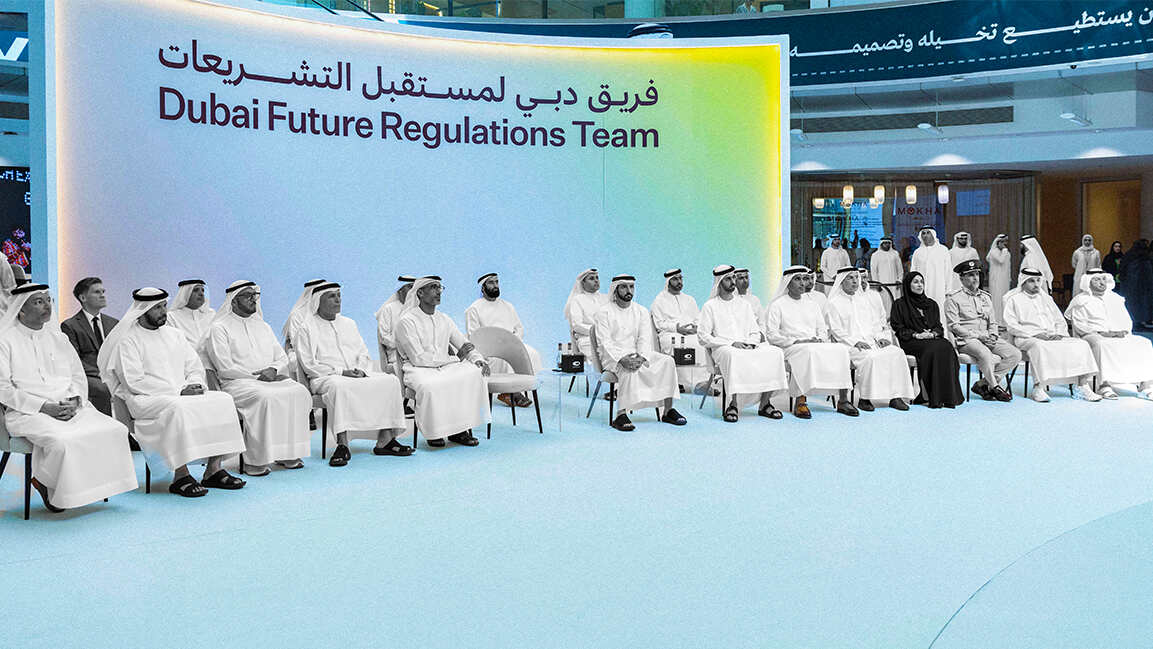
The announcement was part of the inaugural Dubai Future Finance Week, led by DIFC, which brings together events focused on financial technology, sustainable finance and alternative investments.
Held under the patronage of Sheikh Maktoum bin Mohammed bin Rashid Al Maktoum, first deputy ruler of Dubai, UAE deputy prime minister and minister of finance, the week-long program supports the Dubai Economic Agenda D33, which aims to position the emirate among the world’s top four financial centers.
Amiri said the growth of DIFC’s AI, fintech and innovation ecosystem followed the launch of FinTech Hive, which was established less than a decade ago as a financial technology accelerator.
He added that DIFC aims to provide companies with the infrastructure, networks and resources needed to expand internationally.
During the summit, DIFC and research partner Asia House also launched the Digital Economy 2.0 report, examining the role of capital, talent and regulation in the growth of the digital economy.
The report projects global technology spending will reach $5.6 trillion in 2026, while AI could contribute $22.3 trillion to the global economy by 2030. It also forecasts that the global fintech market will reach $1.5 trillion by 2030.
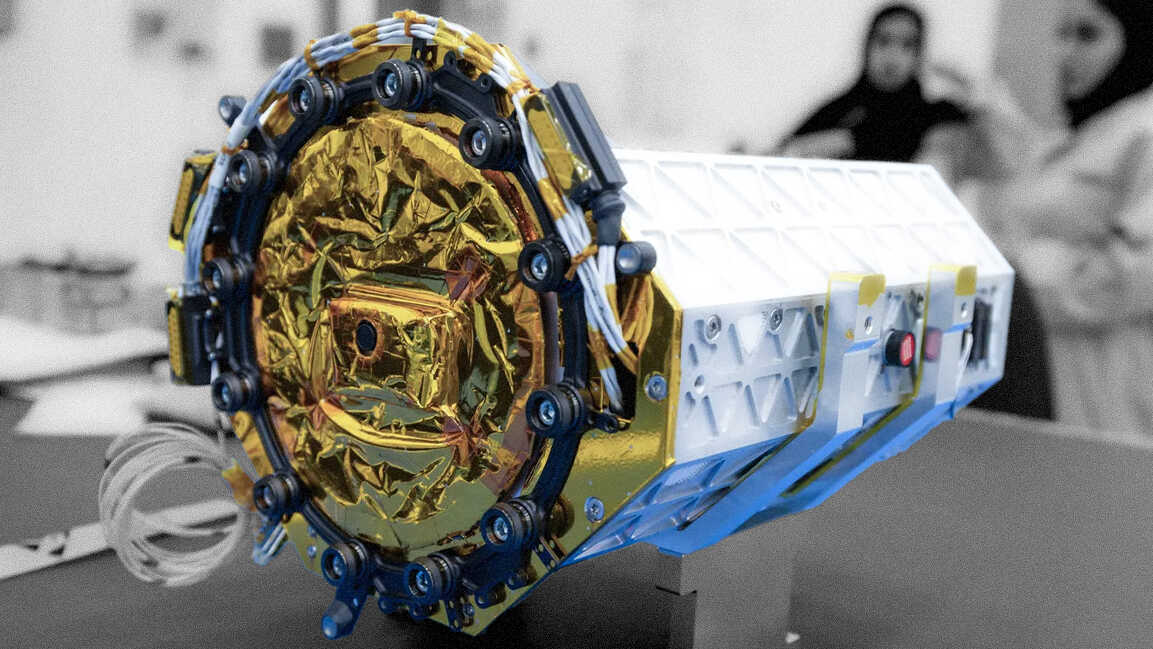
DIFC Innovation Hub also presented developments under Space for Earth Labs, a platform established with the Mohammed Bin Rashid Space Centre to apply satellite-derived data and AI to commercial and public-sector challenges.
Its first initiative, the Geospatial Accelerator, received 73 applications from 24 countries and connected international technology companies with five UAE organizations: Buro Happold, Dubai Civil Defense, FADA, Liva Insurance and the National Maritime Navigation Centre.
The participating organizations are developing pilot projects covering maritime safety, insurance, the built environment and public safety.
Meanwhile, the Future Sustainability Forum brought together finance, policy and industry representatives to discuss transition finance, climate adaptation funding, ESG reporting and sustainable investment.
During the forum, DIFC said the 29 founding partners of its 1 Million Learners initiative had collectively reached more than 130,000 learners in 2026. Launched in May 2025, the program aims to provide one million people with knowledge of sustainability and sustainable finance by 2030.
DIFC is also developing a framework to measure the initiative’s economic, social, environmental and governance outcomes, including indicators to track its impact and progress.
Alya Al Zarouni, COO of DIFC Authority, said the initiative’s next phase would focus on measuring the outcomes of its educational and sustainability programs.
The Gulf Transition and Sustainable Finance event also examined financing models, risk frameworks and regulatory reporting requirements supporting climate transition across the region.
Elsewhere in the program, IPEM Future held its inaugural Dubai edition, bringing together private equity firms, private credit investors and institutional allocators to discuss long-term capital formation and partnerships between general partners and limited partners.
The event followed a preview edition held in Dubai in December 2025, as IPEM expanded its international presence in the emirate’s private markets sector.
Other events included Capital Exchange’s Collab GP-LP Program, which focused on investment priorities and institutional co-investment models, and InsureTek Middle East, which examined developments in the insurance industry.
Dubai Future Finance Week runs through Nov. 6, with the remaining program covering banking, Islamic finance, family wealth, tokenization and digital assets.

Featured Videos
Today's Top Stories:
More Top Stories:

FROM OUR PARTNERS