Space42 and Viasat launch $1 billion venture to expand global satellite connectivity
Developed with US-based Viasat, the Equatys platform aims to lower infrastructure costs and bring direct-to-device satellite connectivity to underserved regions through a shared network model
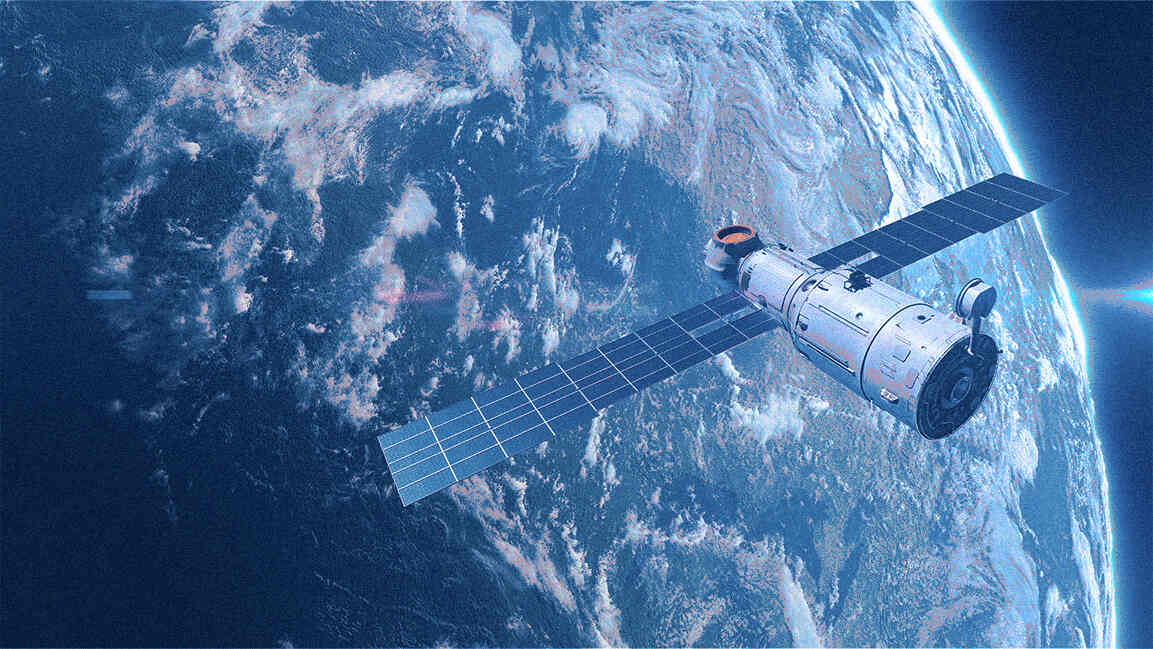


UAE-based Space42 is advancing a satellite communications venture with US-based Viasat, backed by $1 billion in combined equity commitments, as the companies seek to expand global connectivity through shared satellite infrastructure.
The venture, called Equatys, aims to make direct-to-device satellite communications more accessible, expanding coverage to remote areas where conventional telecommunications networks are unreliable or unavailable.
Ali Al Hashemi, CEO of Space Services at Space42, said the platform marks a shift from standalone satellite systems to a shared network model that could significantly lower infrastructure costs and accelerate global expansion.
The two companies signed a binding agreement in September 2026 to establish the venture, which will use open technical standards to allow satellite operators to share infrastructure while maintaining control over their individual operations.
The expansion is already attracting potential partners.
Space42 and Viasat have also signed a memorandum of understanding with Canada’s Terrestar Solutions to explore the integration of the planned CaStar constellation, a satellite network designed to provide direct-to-device connectivity across Canada.
The partnership would allow Terrestar to expand coverage through shared satellite infrastructure while retaining control of its licenses, ground facilities and data under Canada’s regulatory framework.
The partnership would allow Terrestar to expand coverage through shared satellite infrastructure while retaining control of its licenses, ground facilities and data under Canadian regulations. The approach, known as a “sovereign shell” model, could make such partnerships more attractive to operators seeking to expand internationally without relinquishing control of their domestic networks.
Al Hashemi said that adopting industry standards developed by the 3rd Generation Partnership Project (3GPP) would also improve compatibility between satellite and terrestrial networks, reduce reliance on proprietary systems, and allow more operators to participate.
The venture builds on Space42’s existing satellite operations, including Thuraya-4, which entered commercial service in November 2025 and provides mobile satellite coverage across more than 100 countries.
Beyond expanding commercial services, Al Hashemi said direct-to-device technology could improve emergency communications and bring reliable connectivity to communities underserved by existing networks.
Describing connectivity as a “human right,” Al Hashemi said the industry’s future would depend not on individual satellites, but on how effectively they connect to a wider network.

Featured Videos
Today's Top Stories:
More Top Stories:


FROM OUR PARTNERS