WTM London 2026 highlights shifting travel trends, from experiential tourism to AI
The WTM report found that 60% of surveyed travelers were interested in luxury holidays, with experiences a key factor.
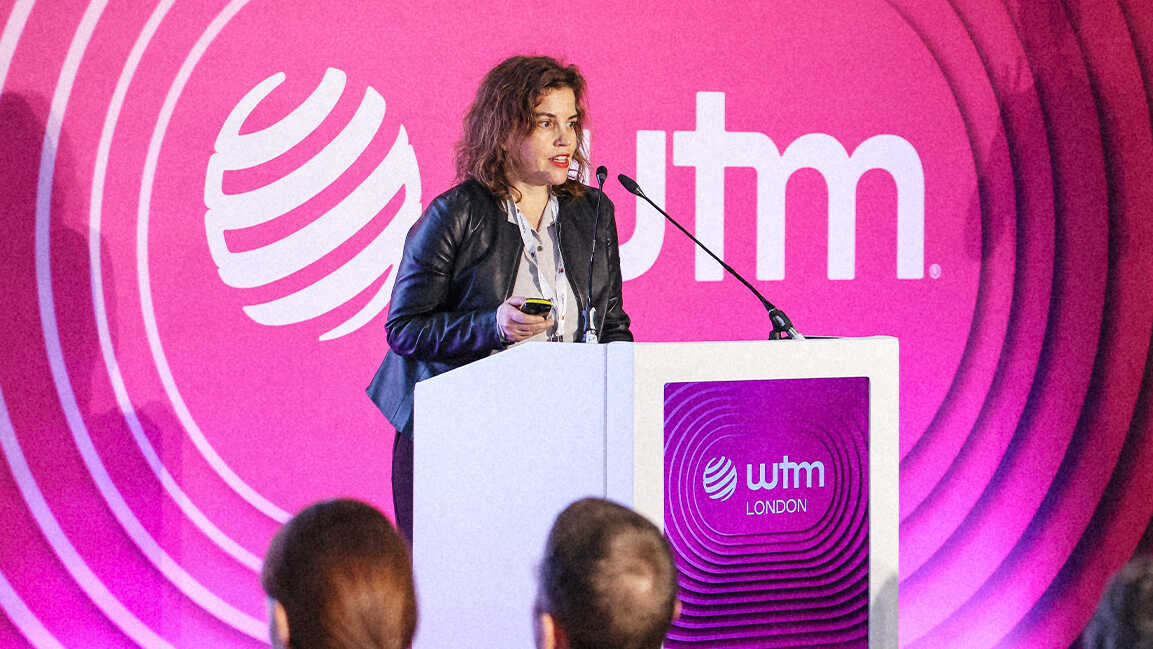


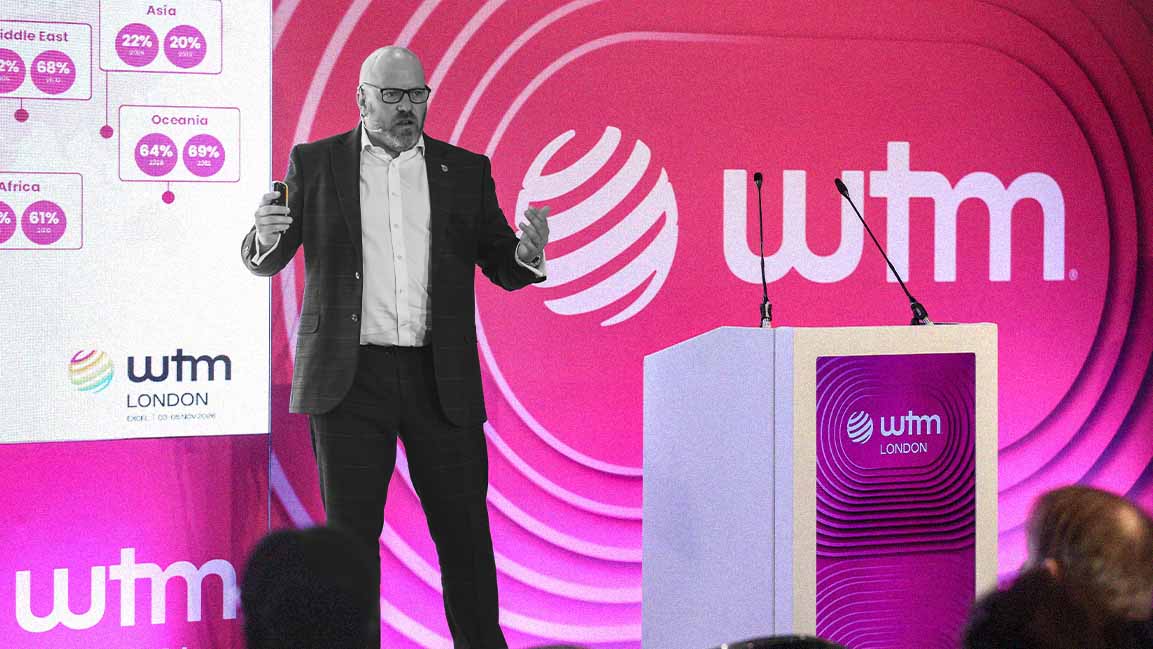
WTM London 2026 opened with discussions on the trends shaping global tourism, including experience-led travel, artificial intelligence (AI) and changing consumer preferences. The opening day also featured the launch of the 2026 WTM Global Travel Report, produced with Tourism Economics.
Dave Goodger, managing director of Tourism Economics, said declining consumer purchasing power remained a concern, but travelers were increasingly adjusting their spending by saving on some aspects of trips while spending more on others.
Sean Morgan, head of travel research, added that 60% of surveyed travelers expressed interest in luxury holidays, with experiences a key consideration.
Chase Gray of Skift Advisory said luxury travel by 2036 would focus on “access, not excess,” identifying three emerging traveler groups: those seeking prestige, personal growth and enrichment, and stronger connections with family and friends.
Experiential tourism also featured prominently. Angela Val of Visit Philadelphia highlighted how destinations can build tourism activity around major events, citing Taylor Swift concerts as an example of visitors extending their stays to explore beyond the main attraction.
Philadelphia adopted a similar approach during the FIFA World Cup, organizing free events alongside the tournament. Its Fanfest recorded the highest attendance among the tournament’s host cities, with Val noting that 70% of World Cup visitors do not have match tickets.
During a separate panel, Luiza Fortuna of Superstruct Entertainment said 80% of international visitors attending its Awakenings electronic music festival in the Netherlands would not visit the country without the event.
The Global Travel Report found that 58% of international travelers had taken an overseas trip specifically to attend an event in the past two years.
China-based Century Cruises also outlined expansion plans in Europe and North Africa, including a second Rhine-Danube vessel in 2027 and the launch of Nile cruises in 2028. Its offerings will include culinary experiences, cultural events and exclusive shore activities. The company also expressed interest in charter partnerships targeting the MICE market.
Meanwhile, the Spanish Tourist Office launched a hotel advisory guide and a social media campaign as part of its Spain for All accessibility strategy, helping hotels communicate their accessibility provisions. José Manuel de Juan González, director of the office in the UK, said the guide provides tools to improve accessibility information for visitors.
AI’s role in travel operations and customer experience was another key theme. Garry Wilson, CEO of easyJet Holidays, said automation could handle routine customer enquiries, allowing employees to focus on more complex requests. He also highlighted the importance of making travel products discoverable through AI-powered search tools.
On WTM’s Future Stage, Ani Attamian stressed the need for accurate and connected data to support AI adoption. She cited a 3,500% year-on-year increase in generative AI traffic to US travel websites in July 2025.
She also highlighted IKEA’s redeployment of 8,500 customer service employees into design and advisory roles following the introduction of its AI chatbot, Billie, contributing to a new business line that generated $1.37 billion in revenue.
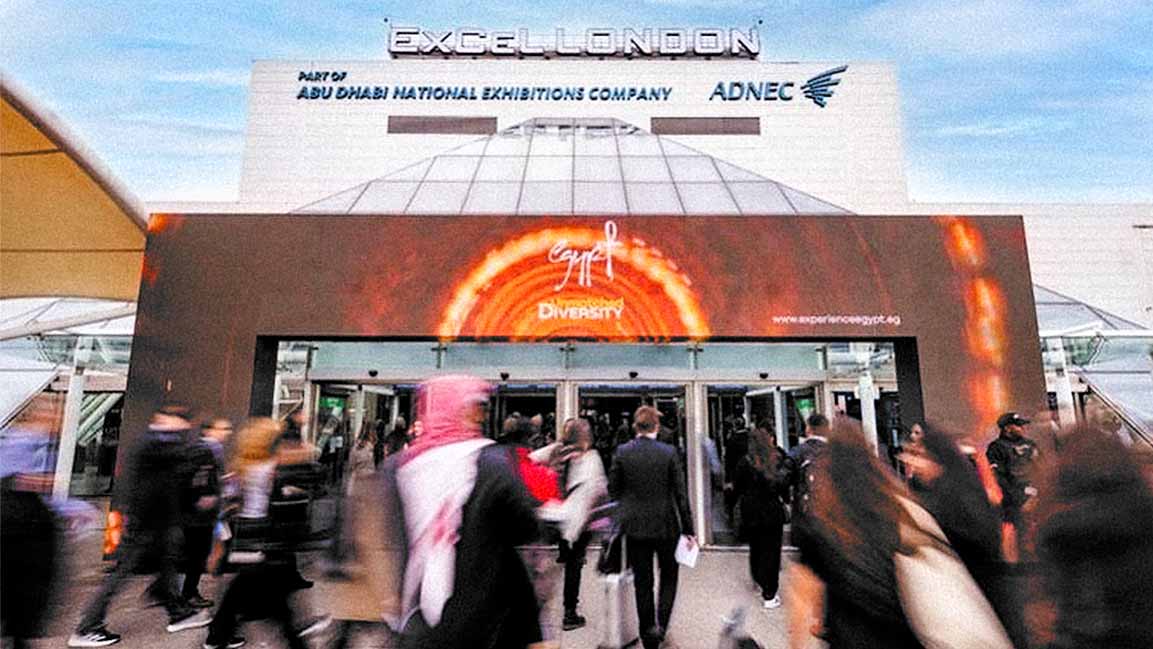
Closing the opening day, WTM London event director Chris Carter-Chapman highlighted the industry’s resilience and strong attendance. Egypt was also recognized as the event’s Premier Partner. Organizers reported more than 12,000 approved buyers and over 4,000 registered media representatives.

Featured Videos
Today's Top Stories:
More Top Stories:

FROM OUR PARTNERS