How regional instability is reshaping what investors expect from the GCC
Despite regional instability, 89% of investors are pursuing or considering investments in the GCC, a Kearney and Panterra report finds.
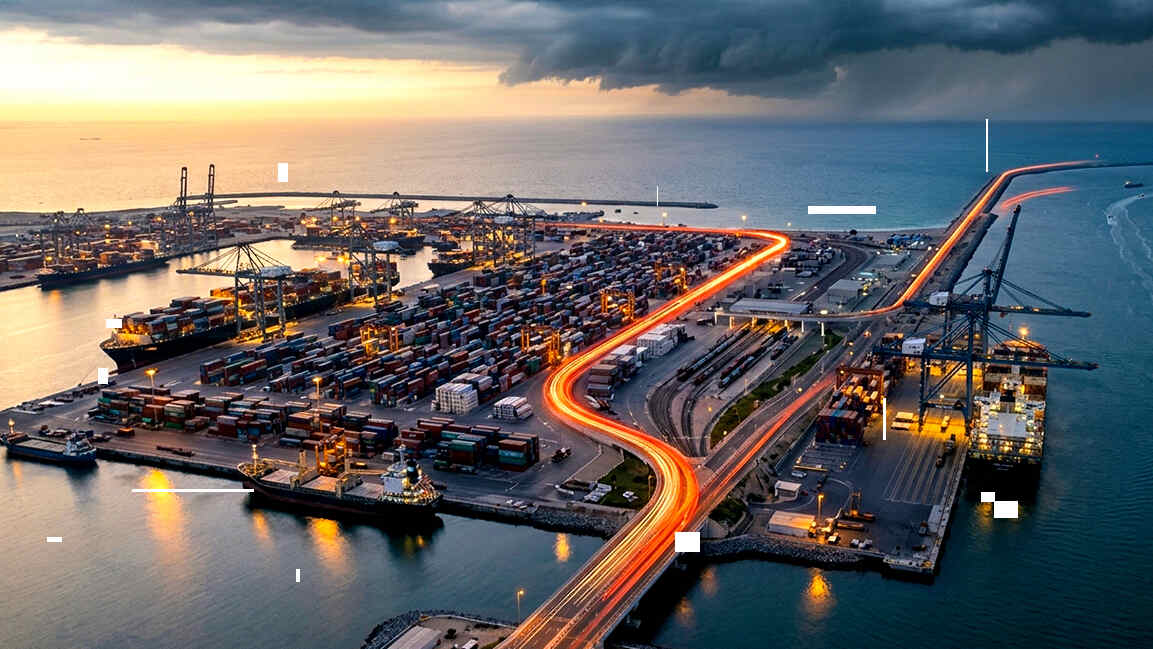


The Gulf’s appeal to international investors has long been driven by its economic diversification ambitions, large-scale infrastructure projects and efforts to establish the region as a global business hub.
However, as geopolitical uncertainty reshapes investment decisions, attracting foreign capital increasingly depends on investors’ confidence in the region’s ability to withstand disruption, rather than the scale of opportunities alone.
A new report by Kearney and Panterra titled “Investing Through Disruption: The Gulf’s Next Test in the Competition for FDI” suggests that investor appetite for the Gulf Cooperation Council (GCC) remains strong despite regional instability.
Based on a survey of 100 senior business professionals involved in international investment decisions, 53% said their organizations had new or expanded investments in the GCC underway or in development, while another 36% were considering opportunities in the region.
REGIONAL DISRUPTION
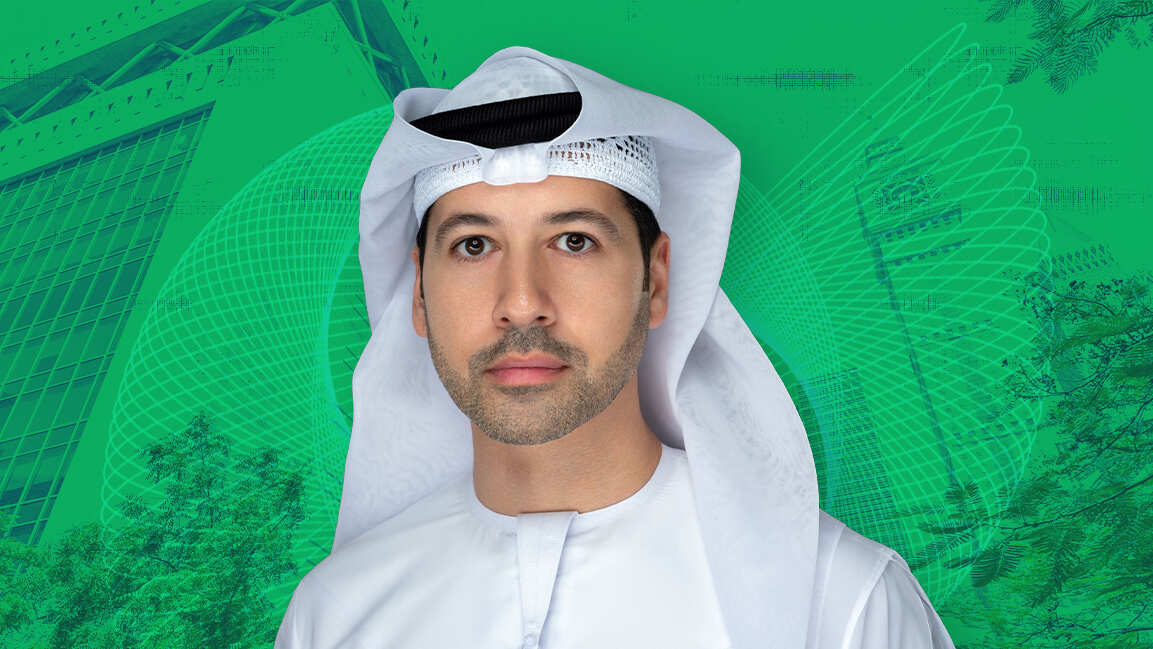
Valentin Lavaill, Executive Director at Kearney Foresight MEA, highlights the survey’s finding that 89% of investors are pursuing or considering investments in the GCC.
“Our September survey confirms that investment appetite has endured through months of turbulence, while highlighting the conditions investors now require to commit capital to the region.”
He explains that investors are increasingly assessing policy predictability, profit repatriation and business continuity during periods of disruption, as these factors determine whether investments can deliver returns over time.
“Our findings suggest that geopolitical and operating exposure now command greater attention alongside traditional market-entry considerations.”
Lavaill clarifies that the 89% figure includes both ongoing investment activity and opportunities under consideration, rather than committed capital.
“For GCC governments, the priority is to give interested investors the confidence to move from interest to execution, even while uncertainty persists.”
Lavaill also points to the impact of regional instability, noting that nearly 80% of respondents said instability across the wider Middle East affects their willingness to invest in the GCC.
“Governments understand they cannot individually eliminate regional geopolitical risk. Yet, they can influence how it translates into an investor’s decision and operating experience.”
He adds that 62% of respondents assess GCC countries individually or primarily on an individual basis, creating room for countries to differentiate themselves in attracting foreign capital.
“That differentiation comes from reliable infrastructure, functioning financial systems, reliable processes and partnerships, and commitment from foreign capital allocators.”
“Clear, timely communication becomes especially important when conditions deteriorate, helping investors distinguish regional headlines from conditions on the ground,” he explains. “When governments demonstrate that essential business functions continue under pressure, they give investors a firmer basis for assessing and managing their exposure.”
POPULAR MARKETS
The survey found that more than 70% of respondents reported a high likelihood of investing in the UAE.
Lavaill attributes the UAE’s appeal to strengths developed over decades, including ease of doing business, established financial markets, supporting infrastructure, political stability and access to skilled talent. Together, these factors create an environment conducive to establishing, financing and operating businesses.
“This breadth matters particularly during disruption, when investors need confidence in the wider operating environment. The findings suggest that the UAE’s established investment proposition continues to resonate under more demanding conditions, with its range of strengths contributing to investor confidence and resilience.”
He explains that the next step is to reinforce this confidence through consistent delivery while continuing to support innovation and diversification to attract long-term investment.
AI and digital technology lead the sector rankings at 36%, followed by oil, gas and petrochemicals, and software and IT services, at 31% each.
Lavaill says the findings highlight growing investor interest in technology, although they reflect perceptions rather than actual capital flows.
“Technology now sits alongside energy among the region’s leading opportunities, suggesting a broader investment proposition.”
He notes that the next challenge is translating this interest into practical applications across government, industry and finance.
“Digital infrastructure provides a foundation, but commercially viable applications, specialized talent, and clear rules for data and technology will determine how much value it creates,” he states.
“By connecting technology investment with demand across the economy, GCC countries can build capabilities and businesses that serve regional needs and subsequently scale into international markets.”
ADDRESSING HESITATION
Only 10% of respondents had evaluated an investment opportunity and decided not to proceed. Lavaill attributes the gap between investor interest and committed capital to unresolved conditions surrounding otherwise attractive opportunities
He explains that companies may see potential in a market but remain uncertain about approvals, future policies and regulations, capital transfers or access to skilled talent. As these constraints vary by project, additional incentives alone may not be enough to address them.
Investment-promotion agencies therefore need to identify the barriers holding back individual projects and coordinate solutions with the relevant stakeholders.
“In this period, I believe the international engagement of the regional investment attraction entities should be maximal. Investment-promotion agencies should intensify international engagement, giving international investors a clear view of operating conditions, emerging opportunities, and where their capital and expertise are needed.”
Lavaill also notes that nine in ten respondents consider predictable government policies throughout an investment’s lifecycle very or extremely important.
“Efficient approvals, credible information, commitments being honored, and the ability to move capital and profits also carry considerable weight.”
“Operational continuity makes that confidence tangible. The GCC can strengthen its investment proposition by demonstrating how essential services, infrastructure, and businesses continue operating during disruption.”
FUTURE OUTLOOK
The survey found that 47% of respondents expect the geopolitical and security environment to become more stable over the next year, while 26% anticipate little change.
“These are investor expectations, so governments should plan across several plausible futures, including prolonged disruption,” Lavaill states.
He argues that relying on a single outlook is no longer sufficient.
“We advise our clients to build strategic optionality, especially because of the accrued level of uncertainty we face globally. Testing investment pipelines against different scenarios can reveal critical dependencies and help governments decide which projects to accelerate, adapt, or sequence differently.”
He adds that building resilience also creates investment opportunities. Diversified logistics, reliable energy and water systems, cybersecurity and digital infrastructure all require sustained investment, making continued efforts to attract capital essential.
Lavaill also considers what will distinguish the GCC countries that turn investor interest into long-term capital from those that fall behind over the next decade.
“For me, the GCC’s experience demonstrates that preparedness and resilience are essential, and that they are built through decades of leadership, deliberate strategic planning and investment,” he says.
“As this effort accelerates, the countries that convert investor interest into lasting partnerships will be best placed to sustain it.”
Funding resilience is a strategic priority for GCC governments and institutional investors, as well as an opportunity for global capital allocators. The region must balance investment in new infrastructure and economic diversification with building sovereign wealth for future generations. Effective capital allocation and access to international expertise will be key.
“Ten years from now, my vision of success is built around more resilience and economic diversification, and greater cross-border investments from within and outside the GCC region.”