
- | 3:00 pm
AI set to contribute $320 billion to Middle East economy by 2030: Report
Dubai maintains its position as a premier global hub relative to leading cities that were cited as more expensive due to strengthening currencies.
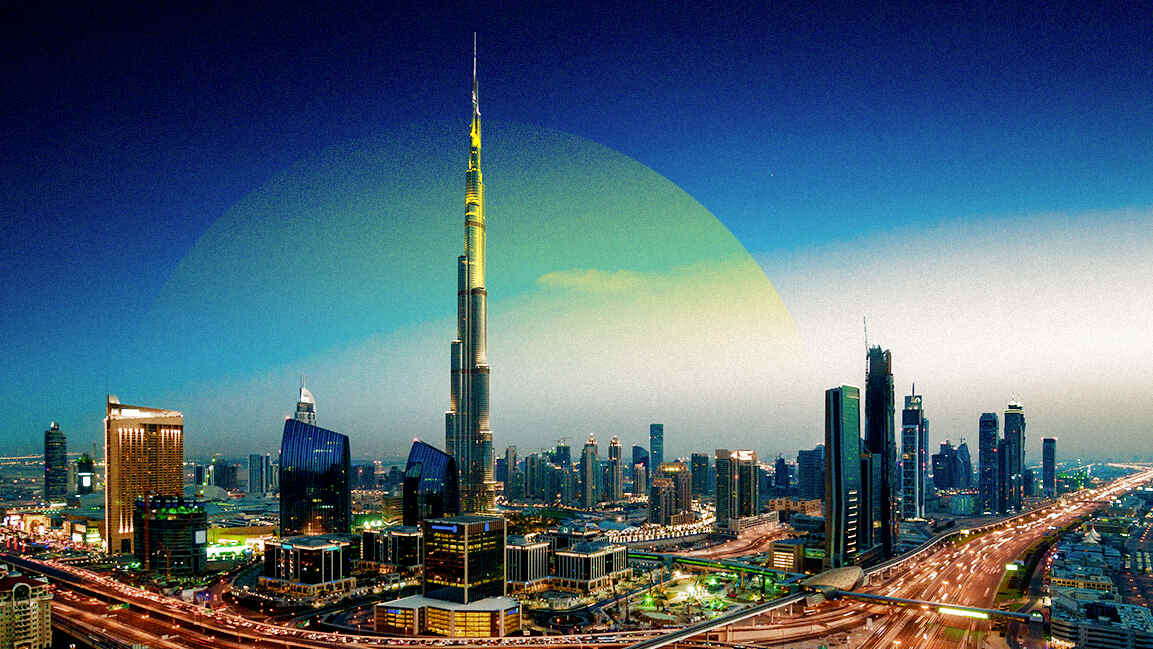


Dubai is strengthening its position as a global wealth hub, offering affluent individuals and internationally mobile families a more competitive lifestyle proposition amid currency fluctuations that are driving up the cost of living in several major cities, according to the 2026 Julius Baer Global Wealth and Lifestyle Report.
The report highlights how geopolitical uncertainty, changing trade routes, and volatile foreign exchange markets are reshaping the global cost of premium living. While the price of a luxury lifestyle increased by an average of 10.2% globally in US dollar terms over the past year, the rise was largely influenced by currency movements rather than local inflation.
Cities exposed to strengthening currencies, including the euro and Swiss franc, recorded significant increases in the cost of high-end goods and services. Meanwhile, markets linked to the US dollar, including the UAE through its dirham peg, benefited from greater cost stability for wealthy residents and international investors.
Dubai ranked 14th in this year’s Julius Baer index, a relative shift driven largely by other global cities becoming more expensive rather than by a decline in Dubai’s own costs. The report noted that the emirate’s position reflects its ability to preserve purchasing power amid global economic volatility.
“Dubai stands at the intersection of luxury, enterprise, and innovation, offering a stable and strategic gateway between East and West,” the report said, pointing to the city’s business-friendly environment and evolving regulatory landscape as key drivers of its appeal.
The emirate continues to offer competitive value across major lifestyle categories, including premium automobiles, jewelry, and business-class travel. Its prime real estate market also remains a draw for global wealth migration, offering comparatively attractive pricing against some of the world’s most expensive property markets in Asia and Europe, while maintaining high standards in hospitality, dining, and exclusive experiences.
MIDDLE EAST WEALTH ENTERS A NEW PHASE
Beyond Dubai, the report highlights growing confidence among wealthy individuals across the Middle East. Rising asset valuations have contributed to significant financial gains among high-net-worth individuals (HNWIs), with one-third reporting major increases in wealth, more than double the proportion recorded among European counterparts.
This optimism is translating into increased spending and investment activity, with 43% of affluent Middle Eastern respondents increasing their investment and lifestyle expenditure.
Family, succession planning, and wealth preservation remain central priorities in the region. The report found that 98% of respondents live in larger family households, while six in 10 HNWIs have actively addressed succession planning over the past year.
The Middle East has also emerged as a global leader in formalized wealth management, with 65% of HNWIs using family offices and 73% establishing structured family governance frameworks.
“The Middle East, especially the GCC, entered 2026 from a position of strength but has recently faced headwinds from heightened geopolitical uncertainty impacting short-term growth prospects,” said Rishabh Saksena, Co-Head Global Asset Class Specialists at Julius Baer.
Despite near-term challenges, including pressures on sectors such as tourism, hospitality, real estate, and aviation, Saksena said the region’s long-term outlook remains supported by economic diversification, fiscal strength, and strategic investment.
Non-oil sectors now account for around 73% of GCC GDP, while artificial intelligence has become a central pillar of national economic strategies. AI is projected to contribute up to $320 billion to the Middle East economy by 2030.
LUXURY SHIFTS TOWARD WELLBEING
The report’s lifestyle survey also highlights changing priorities among global affluent consumers. As uncertainty persists, luxury spending is increasingly shifting toward experiences, wellbeing, and long-term security.
Demand for high-end dining and luxury travel continues to rise, areas where Dubai has established a strong position. At the same time, investment in health, longevity, and personal well-being is becoming a defining feature of modern wealth.
The findings suggest that wealth today extends beyond financial assets, encompassing lifestyle quality, family stability, and personal security — areas where Dubai and the wider Middle East are positioning themselves as increasingly influential global players.
Featured Videos
Today's Top Stories:
More Top Stories:


FROM OUR PARTNERS