- | 10:00 am
Emirates is looking beyond the A380 to reinvent customer experience
Adnan Kazim says the airline is undergoing a major revamp across all cabins as it prepares for the future of flying.


It’s a pivotal time for the aviation industry, as rising fuel costs, higher airport landing fees and taxes at major hubs, among other pressures, put airlines under increasing cost pressure.
“We never pass these costs to the customer,” says Adnan Kazim, Deputy President and Chief Commercial Officer at Emirates.
“We absorb these costs as part of the overall structure of how we position ourselves and price in the market,” he adds.
Citing an example of how a $100 increase in one area does not impact air fares for customers. “We consider the entire cost of operations, including fuel, while balancing customer demand, what customers can afford, and the quality of service,” he says, adding that “it’s part of the challenge we need to address” to ensure fares, customer demand, and service quality remain balanced.
THINKING BEYOND THE A380
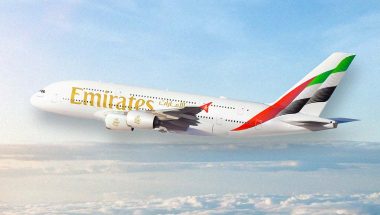
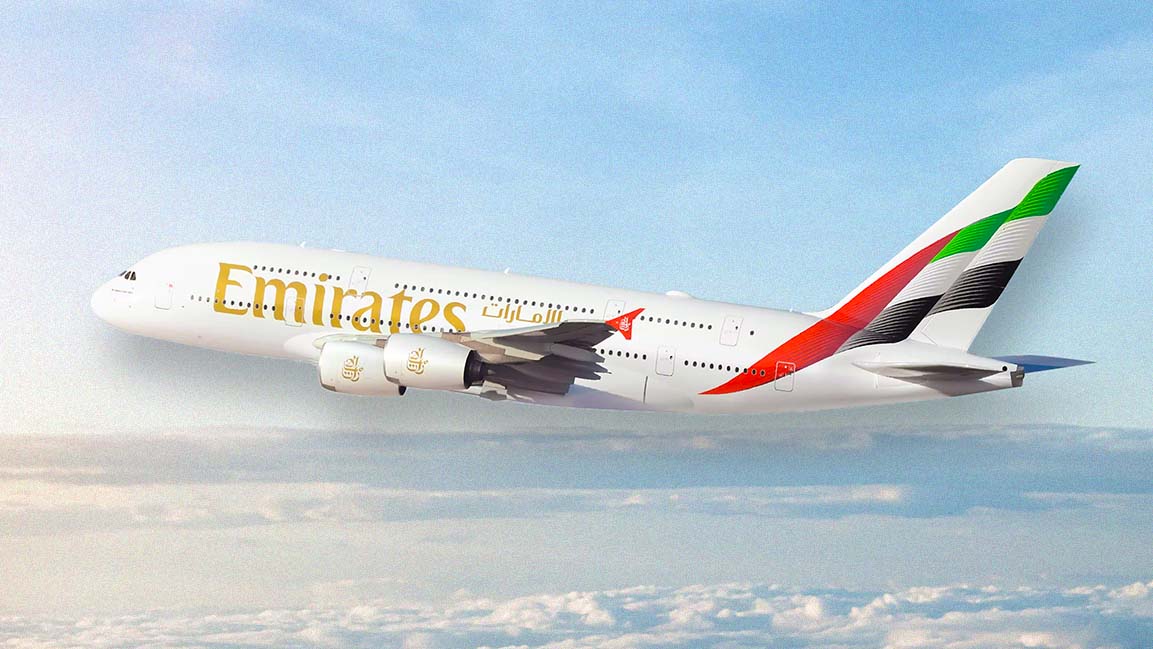
Recently, Emirates announced plans to gradually phase out its A380 fleet by 2040, as the aircraft becomes increasingly costly and difficult to maintain. The Boeing 777X will join the fleet, but cannot fully replace the A380’s capacity. Meanwhile, Emirates is investing heavily in retrofitting its existing A380S and 777s with updated interiors and cabin products.
For Emirates, another long-term challenge is already on the horizon: how to replace not just the A380’s capacity, but the network flexibility and premium experience built around the aircraft. With the superjumbo expected to remain in the fleet until 2040, the airline is already considering how higher flight frequencies, alternative airports, and future aircraft could help bridge the gap.
“It’s a very unique aircraft. It cannot be replaced with any type of aircraft, no matter how you look at it, because of the space you get, the environment onboard, and what we have built around the showers and lounges,” Kazim says.
Looking beyond the A380, Kazim says Emirates is considering increasing flight frequencies to compensate for the capacity gap. The airline also hopes airports will continue to invest in infrastructure, particularly at capacity-constrained hubs such as London Heathrow, Paris, and major Asian airports.
“We still have 20 or 30 years before that time. We have enough time to build and strengthen our network even further,” he says.
Alternative airports could also help Emirates offset the capacity it will eventually lose as it retires the A380. The airline is also working with Boeing and other manufacturers, Kazim says, leaving open the possibility of larger aircraft in the future.
“There are many solutions and many options still available to accommodate and address the issue of capacity that will be shrinking,” he says.
WHAT COMES AFTER THE A380S?
The A380’s appeal extends beyond its capacity. Its onboard lounge and spa facilities have become closely associated with the Emirates experience, raising the question of whether the airline plans to recreate that sense of distinction as it moves toward a post-A380 fleet.
Kazim says the answer comes back to Emirates’ “DNA” and its approach to product development.
“It’s all about innovation, new technologies, new ways of thinking, leveling up the services and what we offer, whether it’s on the ground or even onboard,” he says.
“You just need to watch the space and see how things will shape up in the future. But there are definitely so many things that the team is evaluating for how we can even bring in new products of the future in different cabins.”
He says the approach is rooted in the idea that Emirates cannot stand still with its products.
“There is no way that you can stop and say what I have is enough. Consistent evolution, consistent addressing of the product, and enhancing even the premium economy are key.”
Kazim points to the changes made to premium economy since its launch as an example.
“Since we launched until today, there has been a major change happening, and that’s part of evolution and part of the changes that the product will go through.”
The same philosophy, he says, will apply across Emirates’ cabins as the airline looks beyond its current fleet.
“We are going through a major revamp of what’s happening even towards the future for all the cabins,” he says. “As always, you need to be ahead of the game and try to bring something new to the customer when you offer that product.”