
- | 11:00 am
Abu Dhabi plans to use AI and genomics to boost IVF success to 80% by 2030
Abu Dhabi launches new reproductive health program combining advanced technology and scientific research to improve fertility diagnosis and treatment
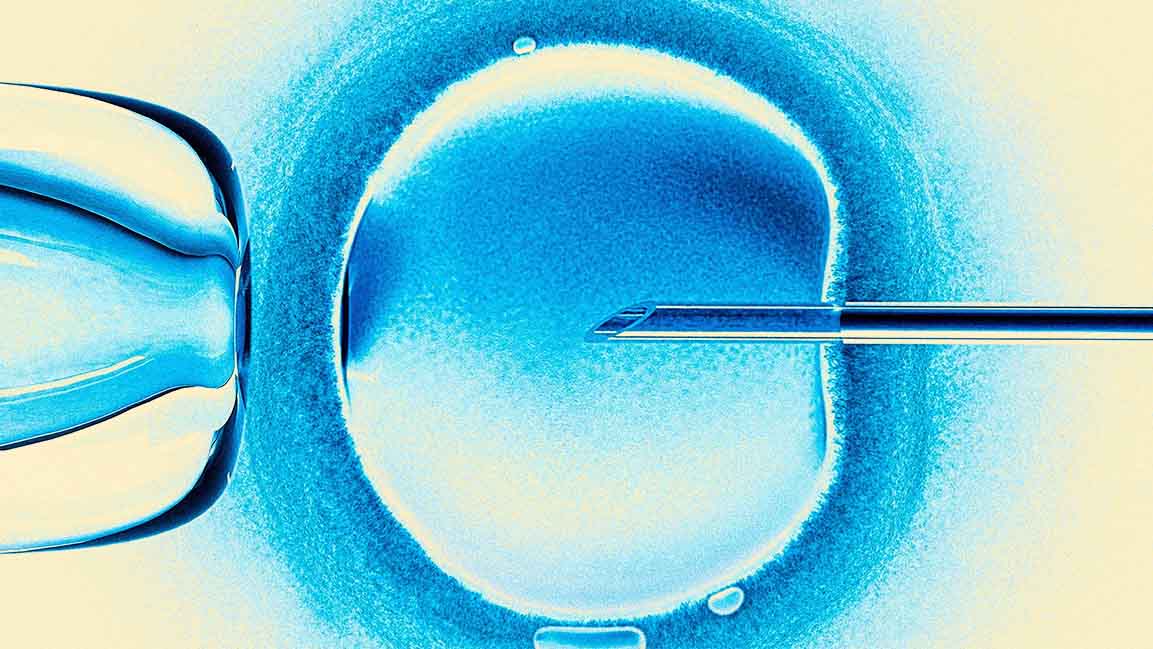


Abu Dhabi is aiming to boost IVF success rates to 80 percent by 2030 through a new reproductive health program. The initiative will use AI, genomics, precision medicine and scientific research to improve fertility diagnosis and treatment.
Launched by the Department of Health – Abu Dhabi (DoH), the Abu Dhabi Program for the Future of Reproductive Health includes a roadmap to advance fertility care and expand the emirate’s research and innovation capabilities.
IVF success rates in Abu Dhabi have reached 59 percent, according to the DoH, placing the emirate among the highest globally. The new program will build on that progress by using data, genomics and personalized approaches to improve treatment outcomes.
The new initiative will cover reproductive healthcare for both men and women, providing support across the reproductive journey. It will span prevention and preconception care, genetic screening, fertility diagnosis and treatment, assisted reproductive technologies such as IVF, and fertility preservation, including egg freezing and embryo preservation.
The program brings together more than 2,000 clinical, scientific and technical specialists across more than 250 facilities, creating a network that combines fertility care with research, genomics and emerging technologies.
Genomics will play a central role, with the program drawing on Abu Dhabi’s database of nearly one million genomes alongside premarital and preconception genetic screening programs. The data will be used to identify inherited risks earlier, reduce the transmission of genetic conditions and support reproductive decisions.
Genomic data and genetic testing will also be integrated into fertility treatment to help identify factors linked to fertility challenges and more personalized approaches to assisted reproduction.
According to the DoH, the technology can support the selection of embryos with the greatest potential for healthy development and implantation and improve treatment outcomes.
AI and health data analytics will complement this genomic infrastructure, supporting more accurate diagnosis and treatment decisions. The program aims to use these technologies alongside precision medicine and scientific research to develop increasingly personalized fertility care and improve treatment outcomes.
“Reproductive health begins long before treatment is needed, with prevention and early screening that enable us to identify risks and intervene at the right time,” said Her Excellency Dr. Noura Khamis Al Ghaithi, Undersecretary of the Department of Health – Abu Dhabi.
Her Excellency added that the program brings together the key elements needed to advance reproductive healthcare, including healthcare providers, researchers and innovators, supported by genomics, advanced technologies and a flexible regulatory environment that enables the responsible adoption of the latest medical advances.
“Together, these capabilities allow us to provide more precise and personalized care, with one goal at the heart of our efforts: to give everyone who dreams of starting a family a better chance of making that dream a reality,” Ghaithi added.
The DoH has also established what they describe as the ‘world’s first Global Reproductive Health Advisory Council’. The purpose of the council is to bring together international experts and researchers to contribute to the development of global standards, identify research priorities, and strengthen international collaboration. It also aims to accelerate the translation of leading practices and innovations into Abu Dhabi’s clinical environment.
The DoH said the initiatives chart a new path for the development of the sector, moving from the provision of advanced healthcare services towards building an integrated ecosystem that creates knowledge, accelerates innovation, and advances standards, technologies and solutions.
His Excellency Mansoor Ibrahim Al Mansoori, Chairman of the Department of Health – Abu Dhabi, said the initiatives strengthen Abu Dhabi’s role in shaping the next generation of reproductive healthcare globally, benefiting families and quality of life across the UAE and beyond.
“We aim to continue delivering proactive, personalized care that supports individuals and families throughout every stage of their reproductive health journey and translates innovation into tangible health outcomes. In doing so, we are reinforcing Abu Dhabi’s position as the capital of the future of reproductive health and a leading global destination for its services,” Al Mansoori said.
The program comes as the UAE seeks to address declining fertility rates nationwide. Although the total fertility rate (TFR) among Emiratis is still above replacement level, it has fallen 13.5 percent between 2014 and 2023. The UAE has designated 2026 as the Year of the Family, bringing greater attention to policies and initiatives that support family formation and planning.

Featured Videos
Today's Top Stories:
More Top Stories:





FROM OUR PARTNERS