- | 8:00 am
Inside the painstaking, yearslong process of making perfect grass for the World Cup
Researchers spent years developing the grass seed mix, soil depth, and strength of the grasses that will make up the 2026 World Cup pitches.


The 2022 FIFA World Cup hadn’t even started when researchers set out to grow the perfect pitch for the 2026 World Cup, which kicks off in cities across North America this month.
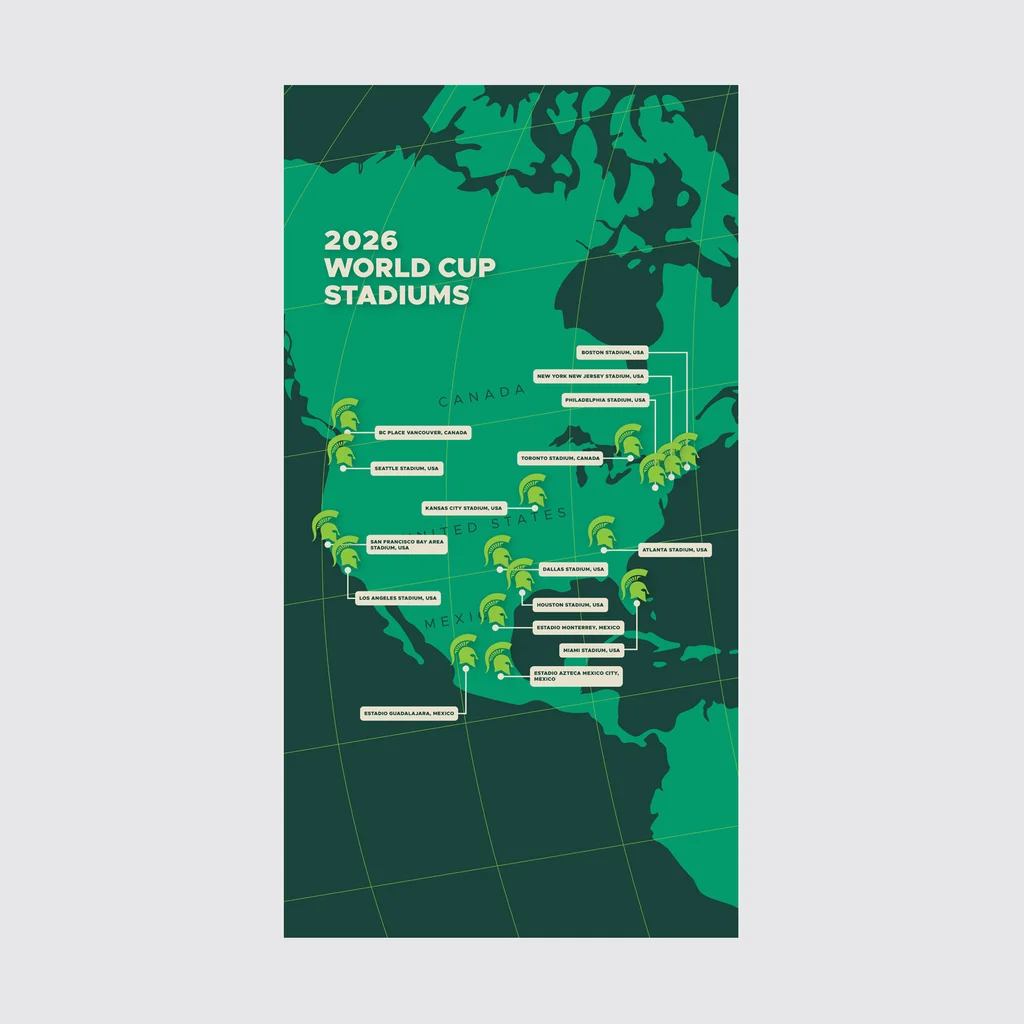
Long before teams had even qualified to play in this year’s tournament, FIFA hired two teams of researchers from Michigan State University (MSU) and the University of Tennessee (UT) to develop the turf grass that would serve as the playing field for its most unconventional World Cup to date. Set in three different countries, 16 different cities, 10 different climatic zones, and both indoors and outdoors, the games of the 2026 tournament will be the most diverse in the Cup’s history. FIFA wanted these very diverse games to have playing fields that were as similar as possible.
It’s a task the researchers took on as a design challenge. To solve it, they started mixing seeds.
Over the course of nearly three years, the researchers tested different combinations of grass types that could grow into a dense sod that would be strong enough to withstand top-level soccer play in up to nine games over the 39-day tournament, all while persevering through the wildly different climates of the 16 host cities, which range from Toronto to Seattle to Dallas to Miami to Mexico City to Guadalajara.
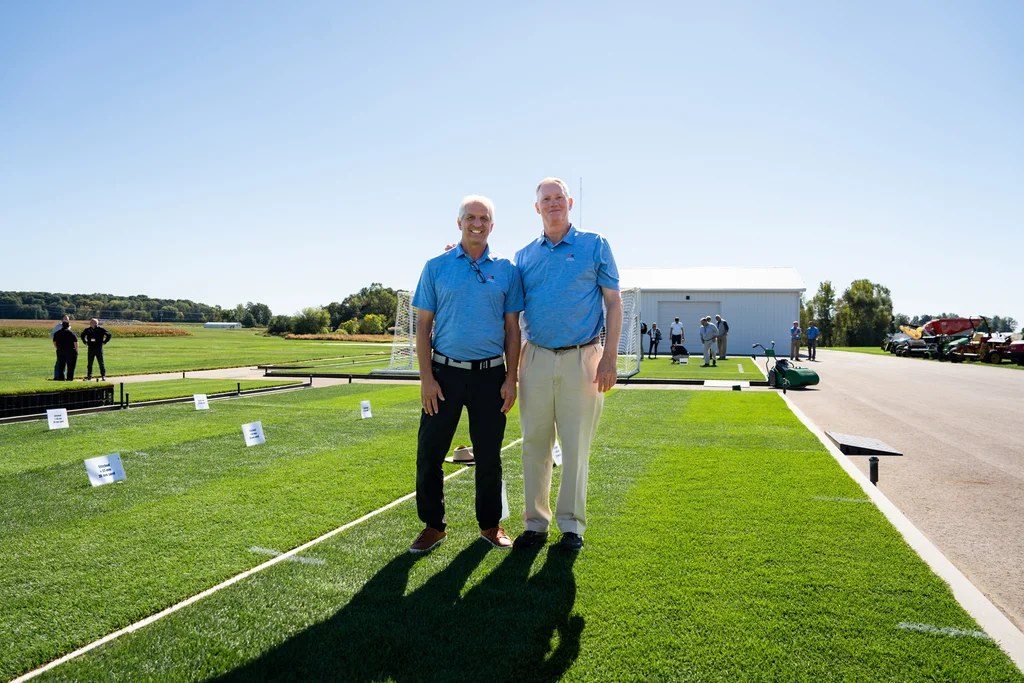
The project was led by John “Trey” Rogers III, a professor in MSU’s College of Agriculture and Natural Resources, and his former PhD student, John Sorochan, now a distinguished professor in turfgrass science at UT’s Department of Plant Sciences. Rogers says the final grass combination they developed ended up being a very precise mix of 84% Kentucky bluegrass seed and 16% perennial ryegrass seed.
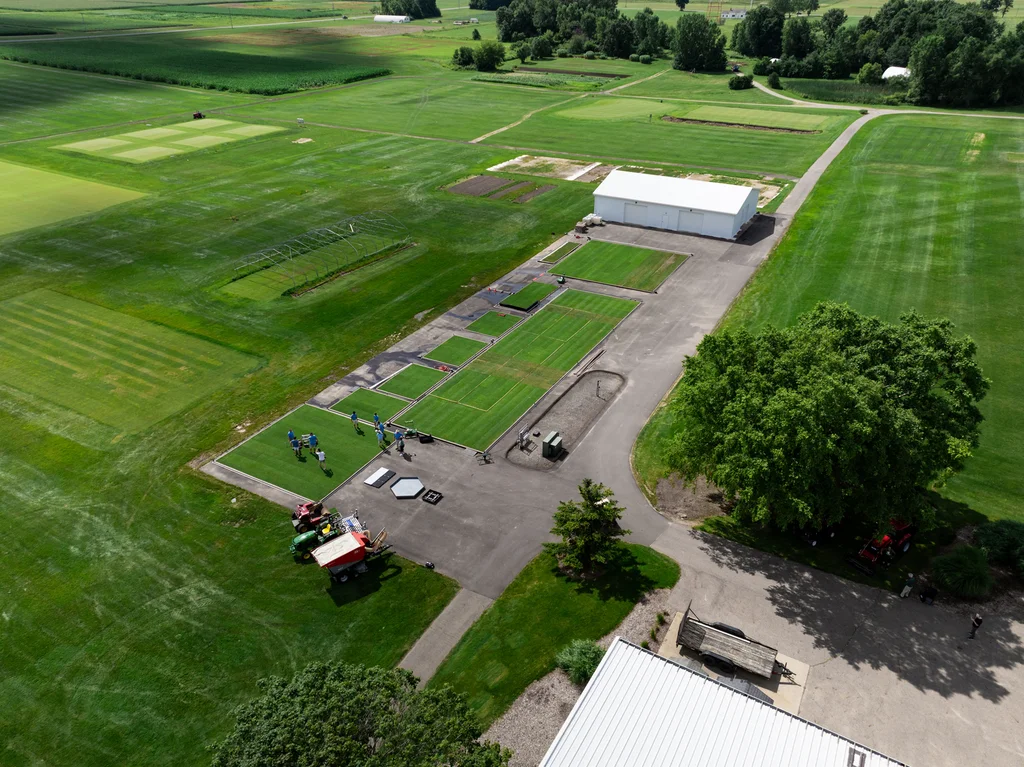
“You get way into the weeds and turfgrass 101 with this stuff,” Rogers says. “We studied a lot of different ratios here to try to find out how fast we could get something ready to be harvested, and at the same time maximizing the strength without compromising the maturity.”
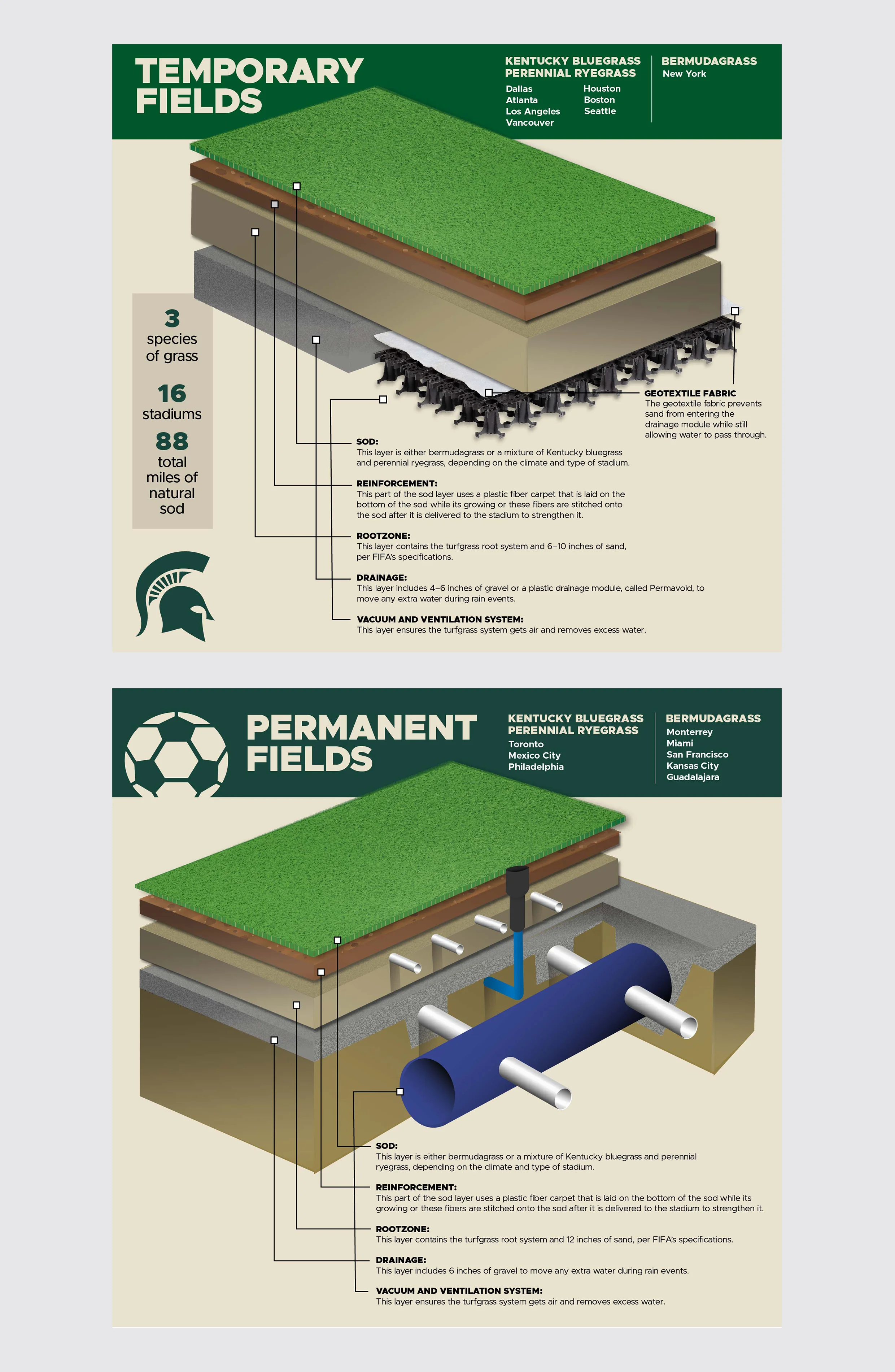
This mix is what will make up the playing field of 10 of the 16 fields in the tournament, with better adaptability to the relatively cooler temperatures of northern cities like New York and Boston and the climate control of indoor stadiums like Atlanta’s and Houston’s. The other six, in warmer climates like Miami, will use high Bermuda grass.
Growing World Cup Grass
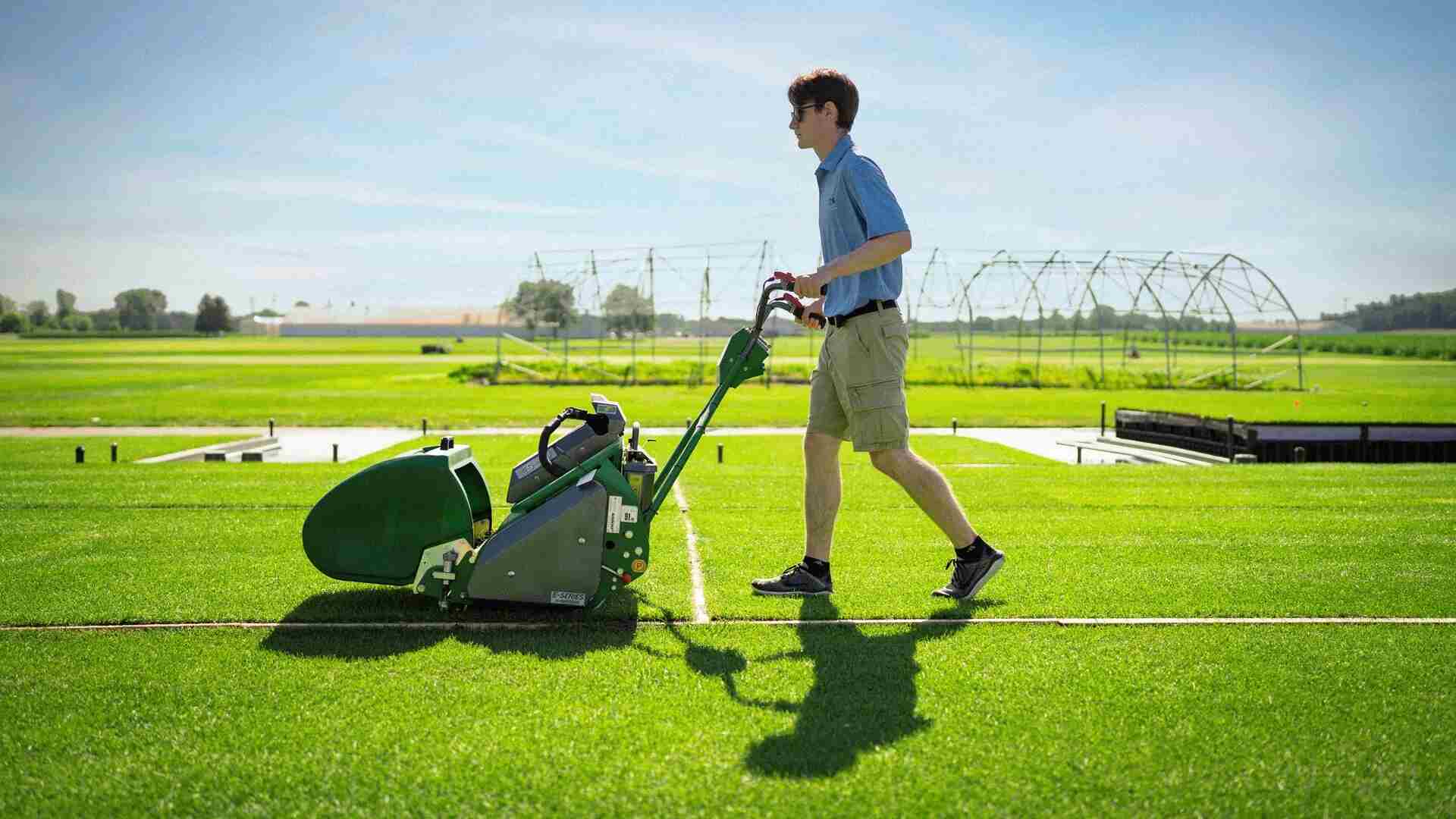
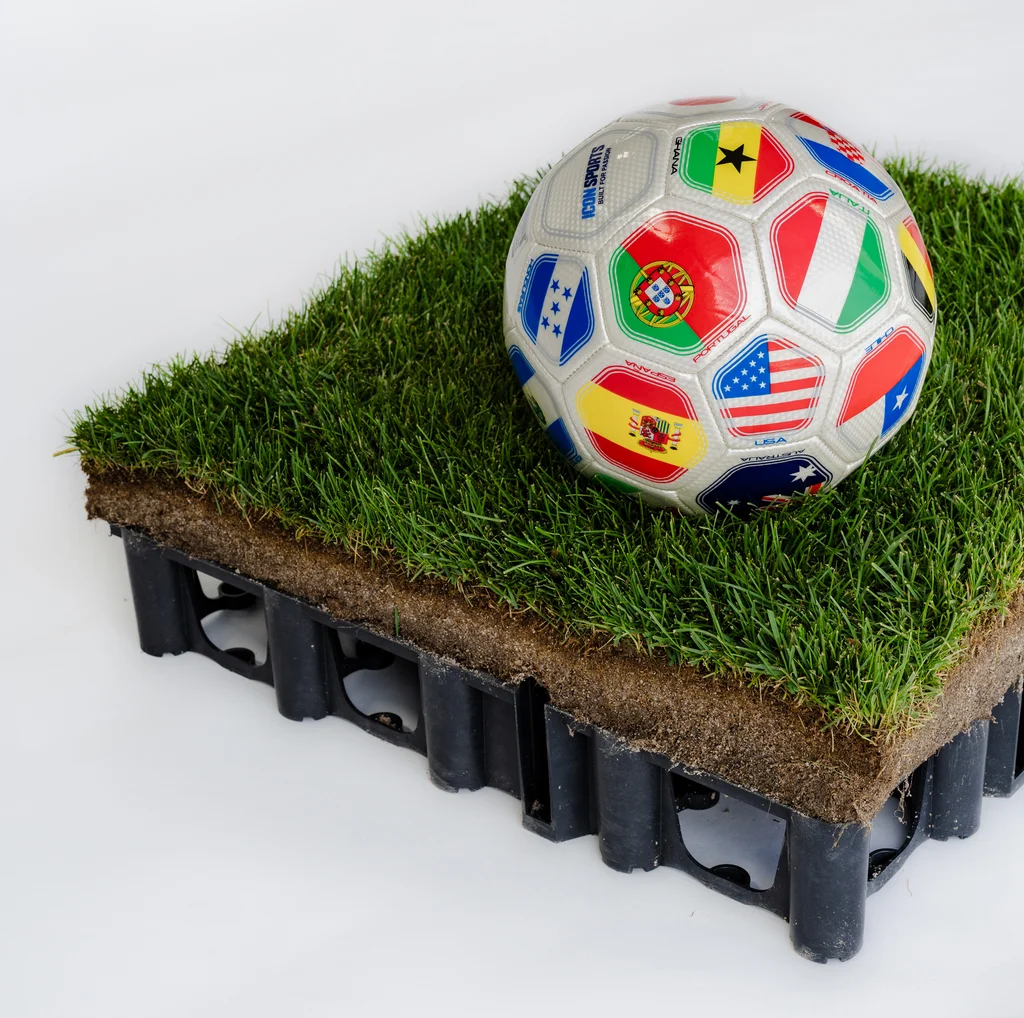
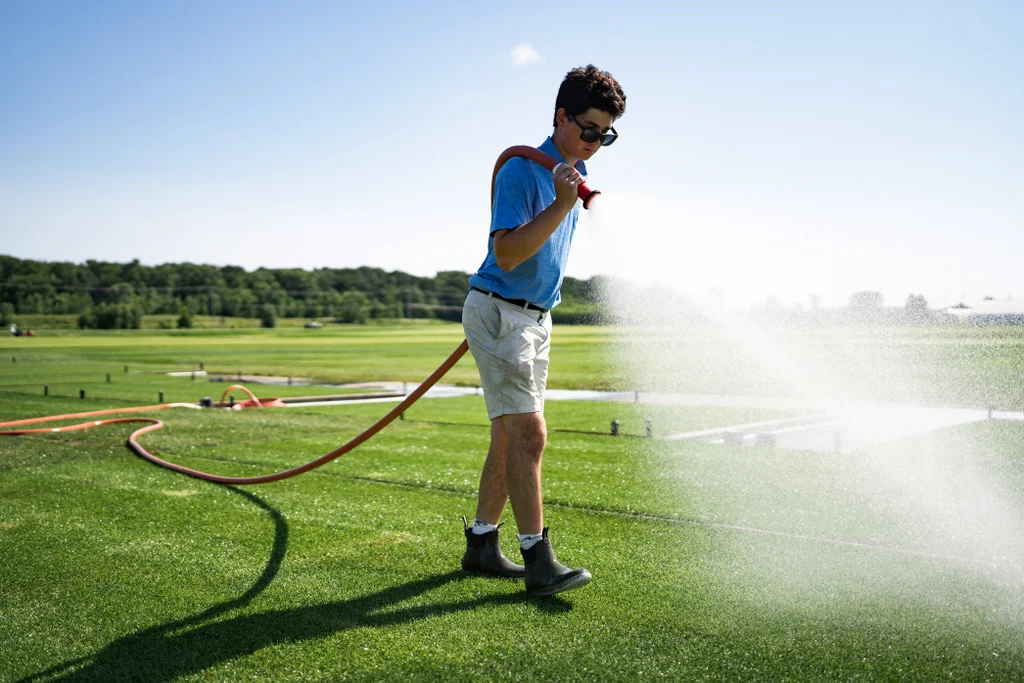
For the first time in a World Cup, all the grass has been grown on what Rogers compares to wide, tray-like flower pots made of plastic. Filled with an inch-and-a-half of sand, the grass seeds are planted and grown over the course of several weeks, getting all the regular watering and mowing of a backyard lawn.
But because the roots of the grasses can only grow down the inch-and-a-half distance to the plastic tray, once there they spread laterally, interweaving with each other and forming a dense network that helps the grass put up with the runs, pivots, and slides that occur in a typical soccer game. These plastic trays can then be rolled, shipped, and installed in the stadiums.
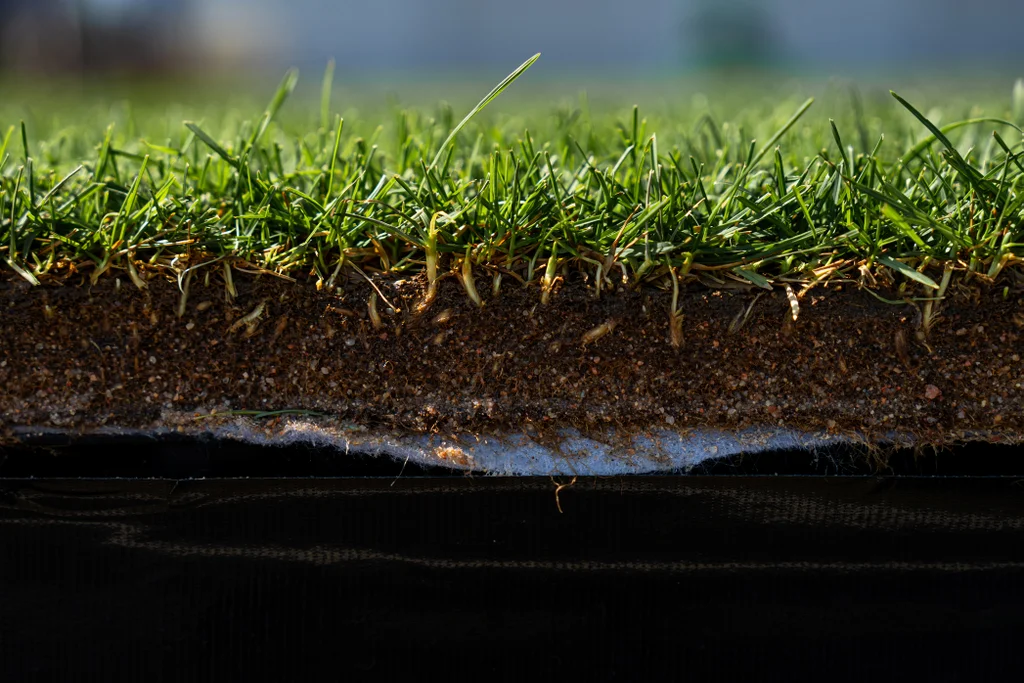
This approach is becoming the new standard for growing grass playing fields. “You haven’t seen a Super Bowl in the last 15 years, if it’s on grass, that wasn’t set on plastic,” says Rogers. “This has been around a while. It’s just new to FIFA.”
During the years-long development process, the grass has also been subjected to a variety of strength and use tests, including a specially designed “sod pull” that uses a machine to pull both ends of a strip of mature grass to see how much force it takes to pull apart.
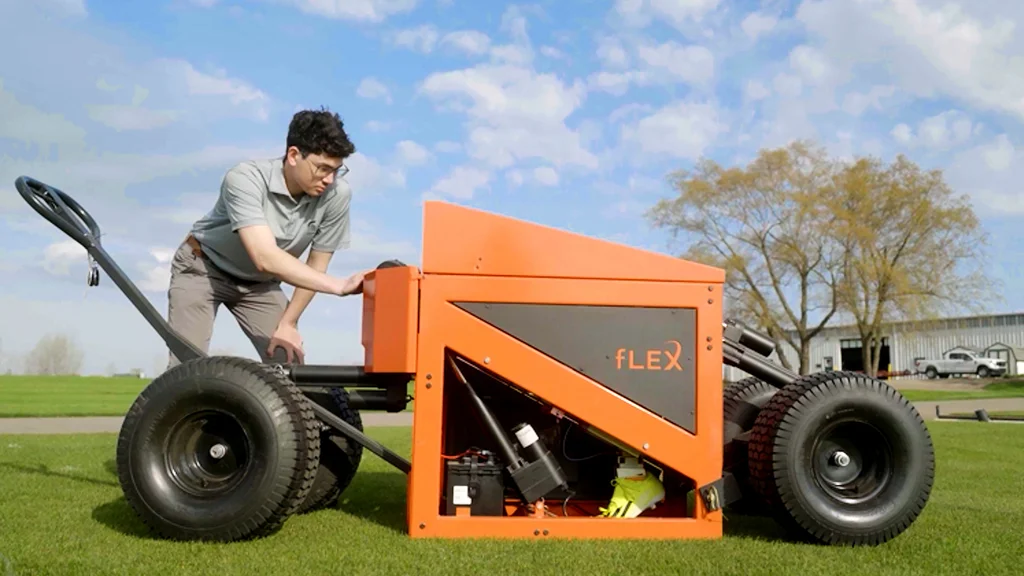
Ahead of this year’s World Cup, Sorochan and his team at UT also developed a machine called fLEX, which simulates an athlete’s foot striking the ground, using a 3D-printed foot wearing a real soccer cleat. The device measures what an athlete feels when running on turf, and the researchers have used it to measure the playability of soccer and football fields around the world.
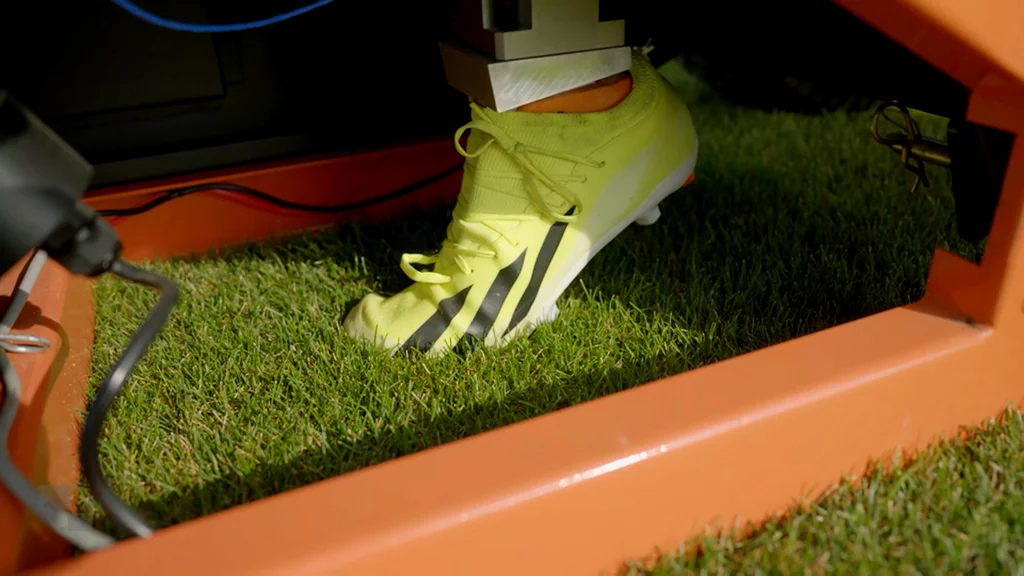
It’s one of the reasons FIFA felt comfortable diverging from its typical field profile using 12 inches of sand beneath the playing field. Through testing with fLEX, the researchers were able to show that the field feel of the shallow profile sod being grown in those plastic trays would be comparable to a conventional pitch. The device is also expected to be used throughout the tournament to record field conditions and inform groundskeeping.
Rogers expects the grass to perform as expected during this year’s World Cup. And though he says this shallow approach is technically new to the World Cup, it won’t be the first time World Cup grass has been grown in flower pot-like devices. The first time was during the preparations for the last U.S.-hosted World Cup, in 1994, and Rogers himself was the one who grew it.
Using six-inch deep hexagonal planters, Rogers and his team grew the playing grass in a quonset hut on the MSU campus and then transported it to the domed stadium ahead of its run hosting four games during the World Cup. The grass worked so well, the local organizing committee decided it should live on. After the last match was played in Michigan, the sod was rolled up and moved to Belle Isle Park in Detroit, where it has spent the last three decades. A sign can still be found on the edge of that field, reading “World Cup 1994 Soccer Field.”
“Unless it’s been totally killed off, I would almost guarantee you there are still plants in there that are surviving from the Silverdome days,” Rogers says.
He’s hoping something similar happens this time around, with 16 fields worth of grass that is arguably even more special.

Featured Videos
Today's Top Stories:
More Top Stories:




FROM OUR PARTNERS