- | 12:00 pm
Renewable electricity will need to power 78% of the world’s grid by 2035, says IRENA
Renewables supplied nearly one-third of global electricity in 2024, with the Middle East posting the fastest regional growth.
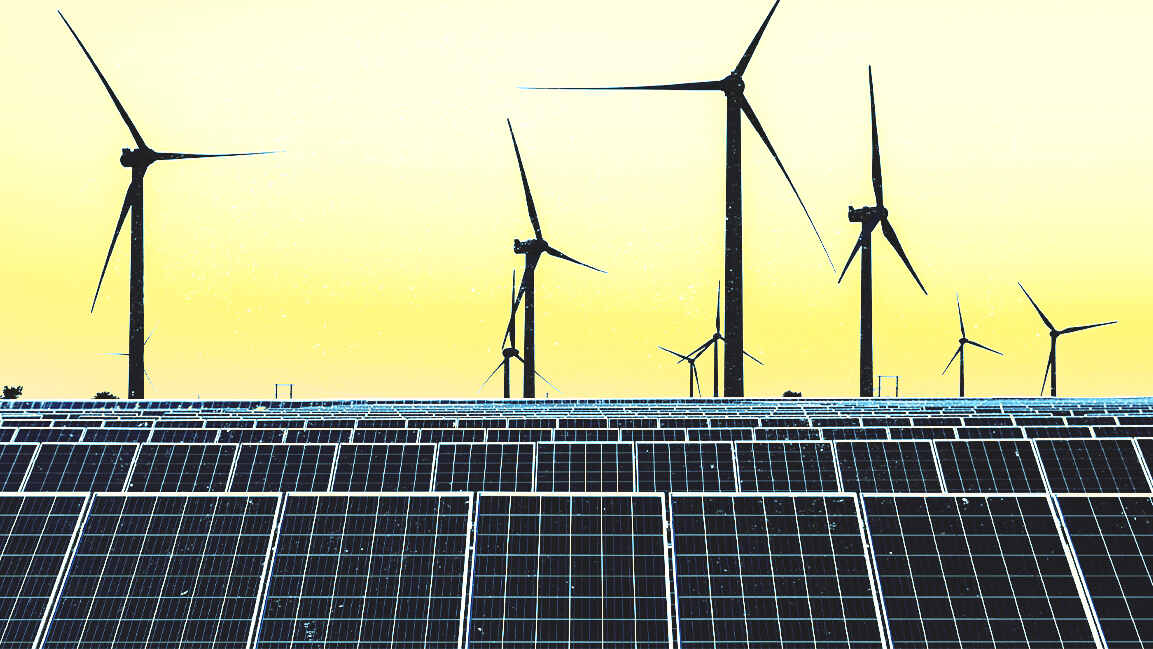


Renewable electricity generation accelerated sharply in 2024, growing 9.8% year on year and far outpacing non-renewable sources, according to the Renewable Energy Statistics 2026 report released by the International Renewable Energy Agency (IRENA).
Renewables generated 9,836 terawatt-hours (TWh) of electricity in 2024, accounting for 31.7% of global electricity production. By comparison, electricity generation from non-renewable sources rose by just 1.4%, underscoring the accelerating shift toward cleaner energy systems.
The report comes as the incoming COP31 Presidency of Türkiye has proposed a global target to raise electrification to 35% of final energy demand by 2035 as part of its Action Agenda. According to IRENA, achieving that goal would require renewable electricity to supply 78% of global power generation by 2035—around 2.5 times its current share.
Francesco La Camera, Director-General of IRENA, said the latest figures reinforce the central role of electrification in the global energy transition.
“The world is rallying behind electrification as a cornerstone of the energy transition, with renewable electricity as its driving force. This will require renewable electricity generation to expand at an unprecedented pace over the next decade—around 2.5 times today’s level. Technologies are available, and the economics are compelling. Now we must swiftly shift from fossil fuels to clean electricity across buildings, transport and industry.”
Solar and wind continued to dominate renewable electricity generation, with Asia remaining the world’s largest producer. The region generated 4,589 TWh in 2024, up 14.3% from the previous year, driven by strong growth in both technologies.
Europe produced 1,758 TWh, a 7.2% increase supported by gains in solar and hydropower, while North America generated 1,535 TWh, up 5.8%. South America produced 1,047 TWh, marking a 2.9% increase, with growth recorded across all renewable technologies.
Elsewhere, Eurasia generated 411 TWh, up 11.9%, while Africa produced 227 TWh, a 5.7% increase despite lower geothermal output. Oceania generated 138 TWh, rising 3.4%.
The Middle East recorded the fastest regional growth, with renewable electricity generation surging 17.3% to 76 TWh, reflecting the region’s accelerating investment in clean energy. Central America and the Caribbean generated 55 TWh, up 5.8%.
Simon Stiell, Executive Secretary of the United Nations Framework Convention on Climate Change (UNFCCC), said the figures demonstrate the growing momentum behind the global energy transition following commitments made at COP30.
“Every nation at COP30 agreed unanimously that the global transition is now ‘irreversible’ and this new data is powerful new evidence. With renewable power generation clocking its fastest growth ever, the shift to clean energy is charging ahead because it’s now cheaper, safer and faster-to-market.”
Stiell added that while progress is accelerating, greater support is needed for vulnerable countries to ensure the transition remains inclusive and that climate finance commitments are fully delivered.
IRENA also revised its renewable capacity figures for 2025, reporting that global installed renewable capacity reached 5.2 terawatts (TW) by the end of the year, accounting for 49.5% of total installed power capacity worldwide.
Annual renewable capacity additions climbed to a record 693 gigawatts (GW) in 2025. Although renewables accounted for 85.7% of total capacity expansion—down from 92.7% in 2024—the agency said deployment continues to outpace non-renewable growth, highlighting the sector’s sustained momentum in the global energy transition.

Featured Videos
Today's Top Stories:
More Top Stories:





FROM OUR PARTNERS