- | 2:00 pm
Red Sea giga-project becomes Saudi Arabia’s first to run its entire utility system on renewables
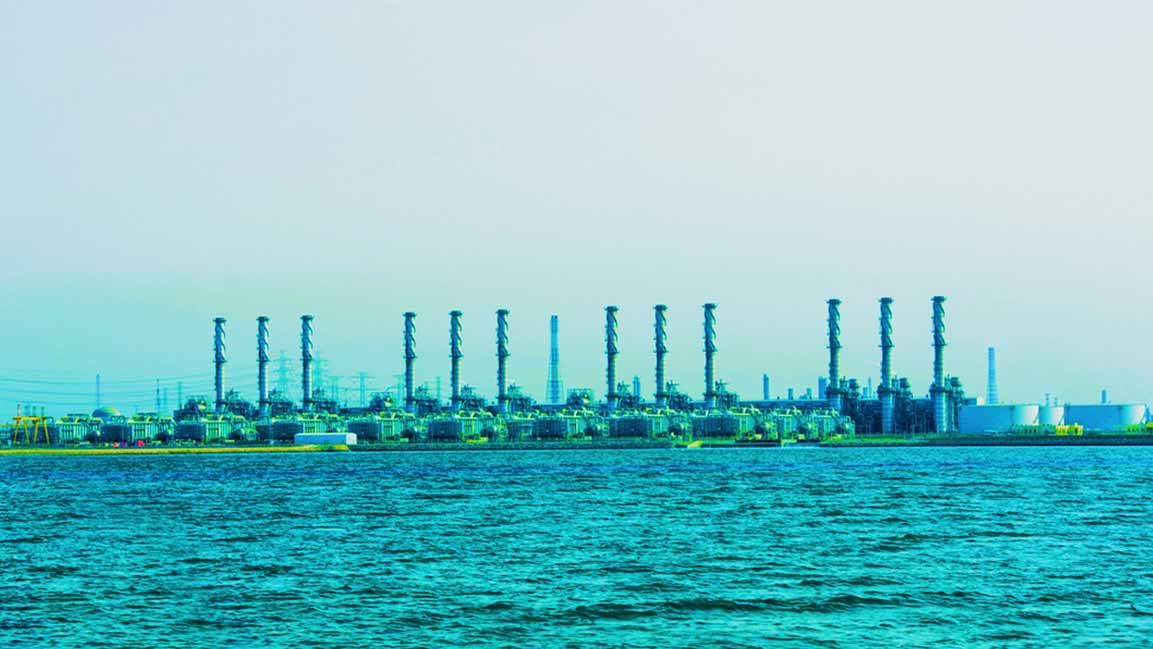
The $1.84 billion system combines solar power, battery storage, desalination, wastewater treatment, cooling, and waste management to operate independently from Saudi Arabia’s national grid.
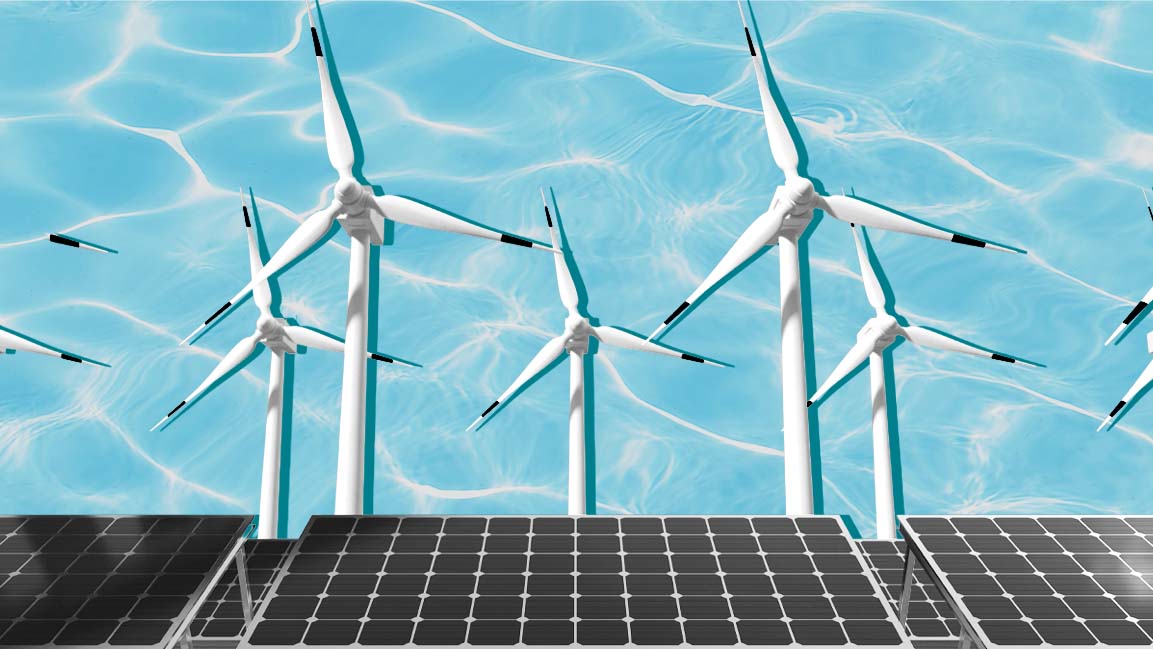


Saudi-listed ACWA has reached commercial operation for the utility infrastructure powering The Red Sea destination, marking the first time a giga-project in Saudi Arabia has brought its entire utility system online using only renewable energy and without relying on the national grid.
The Project Commercial Operation Date was signed between Marafiq Red Sea for Energy Company, the project company formed by ACWA alongside SPIC Huanghe Hydropower and Saudi Tabreed, and The Red Sea Utilities Company, a subsidiary of Red Sea Global.
Under a 25-year concession, the consortium will provide renewable power, potable water, wastewater treatment, district cooling, and waste management across the destination.
At the center of the project is a 340 MWac solar photovoltaic plant paired with a 1,227 MWh battery energy storage system, which ACWA describes as the largest off-grid battery installation built anywhere. The system is designed to keep the destination powered overnight without a grid connection.
It can generate up to 760,000 MWh of clean electricity annually and is expected to avoid around 600,000 tonnes of carbon dioxide emissions each year when operating at full capacity.
The infrastructure currently serves Red Sea Global’s operational hotels, Red Sea International Airport, logistics hub, electric vehicle fleet, staff village, and community facilities.
The wider utilities platform also includes three seawater reverse osmosis plants, a waste management center, and a sewage treatment facility capable of processing 16,000 cubic meters per day.
Treated wastewater will be used for irrigation and to create wetland habitats, while district cooling capacity totaling 32,500 refrigeration tons will serve hotels and the airport.
The project reached financial close in February 2022 with approximately $1.33 billion in senior debt facilities and a total investment of around $1.84 billion, funded by Saudi and international banks.
Mohammad Abunayyan, Founder and Chairman of ACWA, said the project demonstrates how renewable energy, water, and environmental services can be integrated into a single infrastructure platform.
“The Red Sea project embodies the ambition of Saudi Vision 2030,” he said, adding that the project establishes a new benchmark for sustainable development.
The project was developed with environmental protection as a core requirement, with all utility services undergoing Environmental and Social Impact Assessments and securing permits from Saudi Arabia’s National Center for Environmental Compliance.
Environmental monitoring will continue throughout the operational period, particularly around the destination’s marine and terrestrial ecosystems.
Local content has also played a role in the development, with Saudi suppliers providing equipment, materials, and services where possible, while Saudi engineers and technicians worked across the solar, battery storage, desalination, and cooling infrastructure.
ACWA said the long-term operations and maintenance workforce will continue to be developed within the Kingdom throughout the concession. The construction phase also recorded 30 million working hours without a lost-time injury.
John Pagano, Group CEO at Red Sea Global, said operating the destination without a connection to the national grid demonstrates how sustainable infrastructure can underpin a different model for tourism development.
“This milestone brings our vision for a new model of regenerative tourism to life at full scale,” he said.
The project forms part of Saudi Arabia’s wider push to expand renewable energy and private-sector participation under Vision 2030, while positioning large-scale tourism developments as testing grounds for new approaches to sustainable infrastructure.

Featured Videos
Today's Top Stories:
More Top Stories:


FROM OUR PARTNERS