
- | 2:00 pm
Dubai leaders explore AI and global trade shifts to support future economic growth
The Future Economy Majlis brought together global experts to discuss economic resilience, technological transformation, and Dubai’s competitiveness.
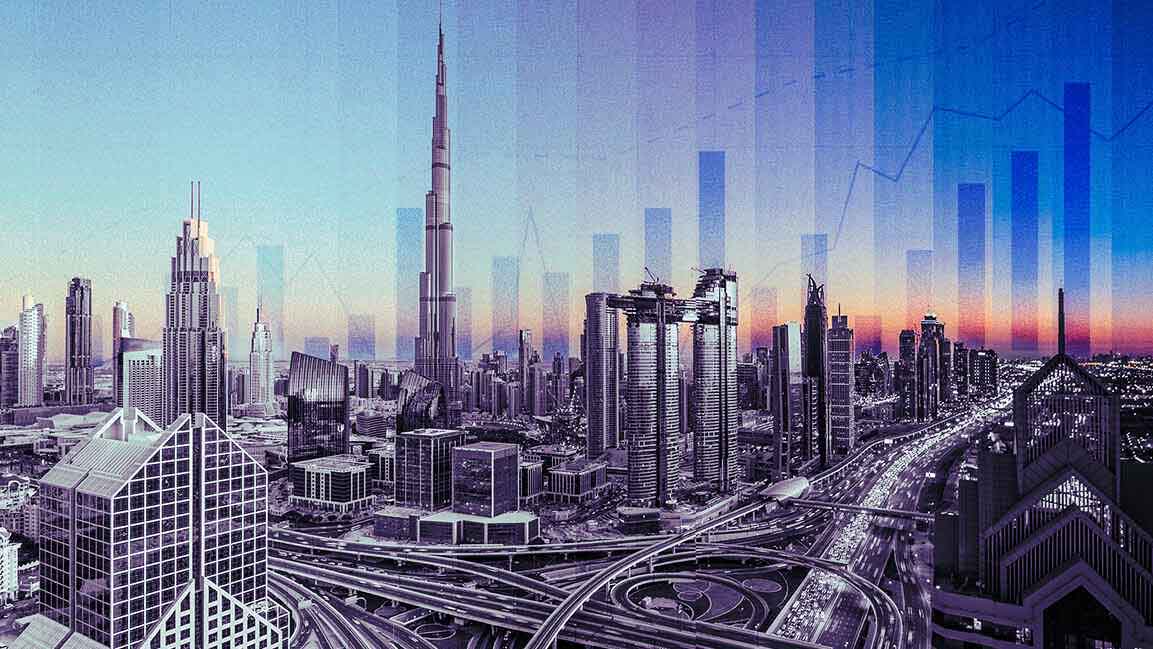


Dubai is looking to strengthen its position in the global economy as rapid shifts in trade, technology, and investment reshape international markets.
At the Future Economy Majlis, held as part of the Mohammed bin Rashid Leadership Forum, government and business leaders explored strategies to boost Dubai’s competitiveness, strengthen economic resilience, and sustain long-term growth amid global uncertainty.
According to the Emirates News Agency (WAM), discussions focused on the changing dynamics of global supply chains, the energy transition, and the growing influence of artificial intelligence (AI) on economic development.
Hesham Abdulla Al Qassim, Vice Chairman and Managing Director of Emirates NBD, highlighted the importance of anticipating economic shifts and building resilience to navigate emerging challenges.
He emphasized Dubai’s strategic position as a trade gateway connecting Asia, Africa, and Europe, noting that its future competitiveness will depend on integrating traditional trade networks with advanced digital infrastructure.
Al Qassim also pointed to the growing role of AI, data, and financial technology in improving productivity and supporting business growth. He reaffirmed Emirates NBD’s commitment to facilitating trade, improving capital flows, and expanding access to secure digital financial services.
Economist Nouriel Roubini, Professor Emeritus of Economics and International Business at New York University’s Stern School of Business, examined the geopolitical and economic forces shaping the next phase of global growth.
Roubini discussed how evolving relations between the United States, China, and Europe could influence global trade, investment flows, and supply chains.
He also highlighted AI’s potential to transform productivity, business models, and labor markets, stressing the need for governments and businesses to prepare for changing workforce demands and emerging skills requirements.
The discussions addressed the increasing relationship between AI and energy, particularly the growing infrastructure and power requirements needed to support the technology’s expansion.
During a separate session on leadership priorities, Roubini called for greater flexibility in economic decision-making, emphasizing the importance of distinguishing temporary disruptions from long-term structural changes.
He noted that future economic growth will depend on institutional preparedness, talent development, and the ability to respond effectively to technological and geopolitical shifts.
The Future Economy Majlis was among several strategic discussions at the Mohammed bin Rashid Leadership Forum, alongside sessions focused on future cities and Dubai’s evolving global role.
Held at the Dubai World Trade Center, the forum brought together 1,000 government and private sector leaders, experts, and academics to explore leadership strategies and strengthen Dubai’s position as a global center for business and innovation.

Featured Videos
Today's Top Stories:
More Top Stories:
FROM OUR PARTNERS