
- | 11:00 am
The world needs $10.3 trillion a year to meet its energy transition goals
IRENA said the transition requires integrating renewable energy with electrification, efficiency, storage and grid flexibility.
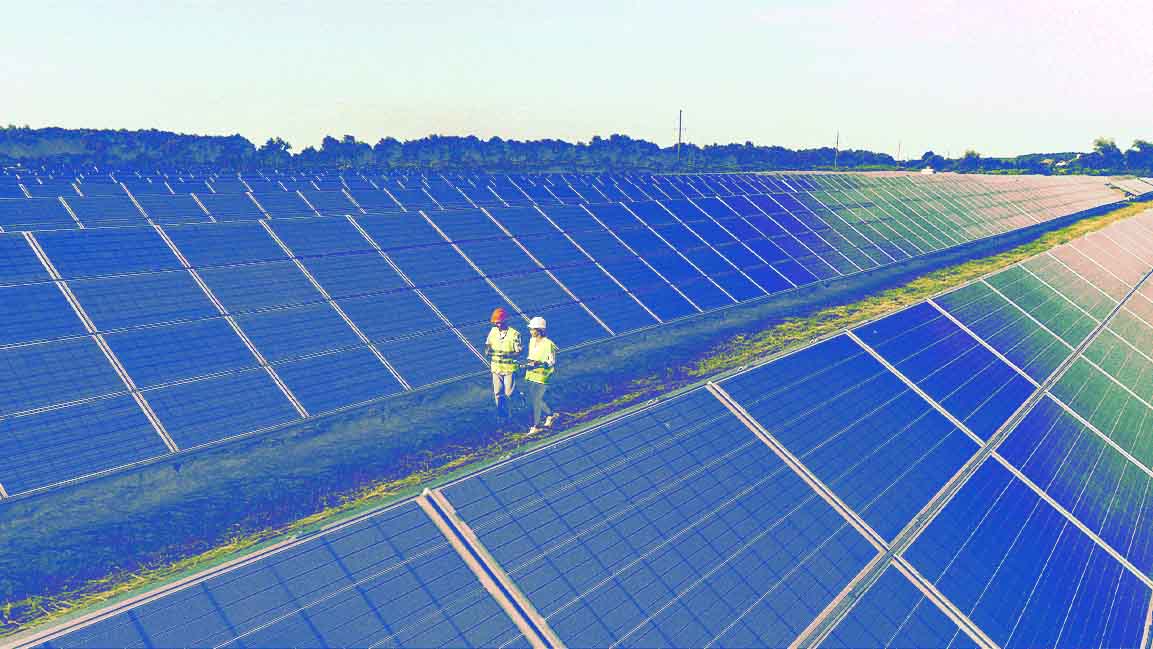


The global energy transition needs faster electrification, expanded renewable energy capacity and greater investment in grid infrastructure to remain aligned with the 1.5°C climate target, according to the International Renewable Energy Agency’s (IRENA) 2026 World Energy Transitions Outlook (WETO).
The report outlines reforms needed over the decade to 2035, warning that record renewable energy additions are not enough to accelerate the shift away from fossil fuels as electricity demand rises, grid infrastructure struggles to keep pace and energy efficiency improvements fall short of targets.
IRENA said the transition requires a broader transformation of energy systems, combining renewable power with electrification, energy efficiency, storage and greater system flexibility.
Global installed renewable power capacity would need to increase from 5.2 terawatts (TW) to around 38.2 TW by 2050. Electricity’s share of final energy consumption would also need to reach 35% by 2035 and exceed 50% by 2050, with solar and wind supplying more than 80% of electricity by mid-century.
Francesco La Camera, Director-General of IRENA, said the transition requires changes to energy infrastructure and systems, rather than simply adding renewable capacity to existing arrangements.
“We cannot deliver the transition by simply adding renewables to an unchanged energy system. We need reforms to build the infrastructure of a new energy system — one that is electrified, efficient, flexible and powered by renewables,” he said.
La Camera added that grids, storage, flexibility and energy efficiency would be critical to maintaining energy security and affordability while supporting the transition.
The report also highlights the potential economic benefits of accelerating decarbonization. Under IRENA’s 1.5°C scenario, global economic growth could be 1.1% higher annually than under a business-as-usual pathway, generating cumulative economic gains of around $46 trillion by 2050.
Renewable energy employment could increase more than fivefold from just over 16 million jobs today over the same period. Greater electricity competitiveness could also reduce end-user power prices by 15% by 2050.
However, achieving these outcomes would require cumulative annual investment of around $10.3 trillion between 2026 and 2050, with much of the additional funding directed towards renewable power, electricity grids, system flexibility and electrification across end-use sectors.
La Camera said the transition’s economic benefits would depend on how it is implemented, including whether affordability, social protection and equitable access to new opportunities are incorporated into policy planning.
IRENA’s report identifies seven priorities for the coming decade, including integrated energy and market planning, country-specific transition roadmaps, grid modernization, stronger industrial and investment strategies, social and environmental policies, and deeper international cooperation.
The report calls on governments to coordinate the deployment of clean energy technologies with the infrastructure and policies needed to support them, while safeguarding energy reliability, affordability and security.
It argues that a well-managed shift away from fossil fuels can support economic development by strengthening competitiveness, resilience, public health and long-term prosperity.

Featured Videos
Today's Top Stories:
More Top Stories:



FROM OUR PARTNERS