- | 12:00 pm
Chinese automaker ROX Motor to produce vehicles in Egypt under new partnership
The Chinese automaker will produce range-extended EVs locally through a partnership with Ezz El Arab El Sewedy, supporting Egypt’s industrial localization and export goals.
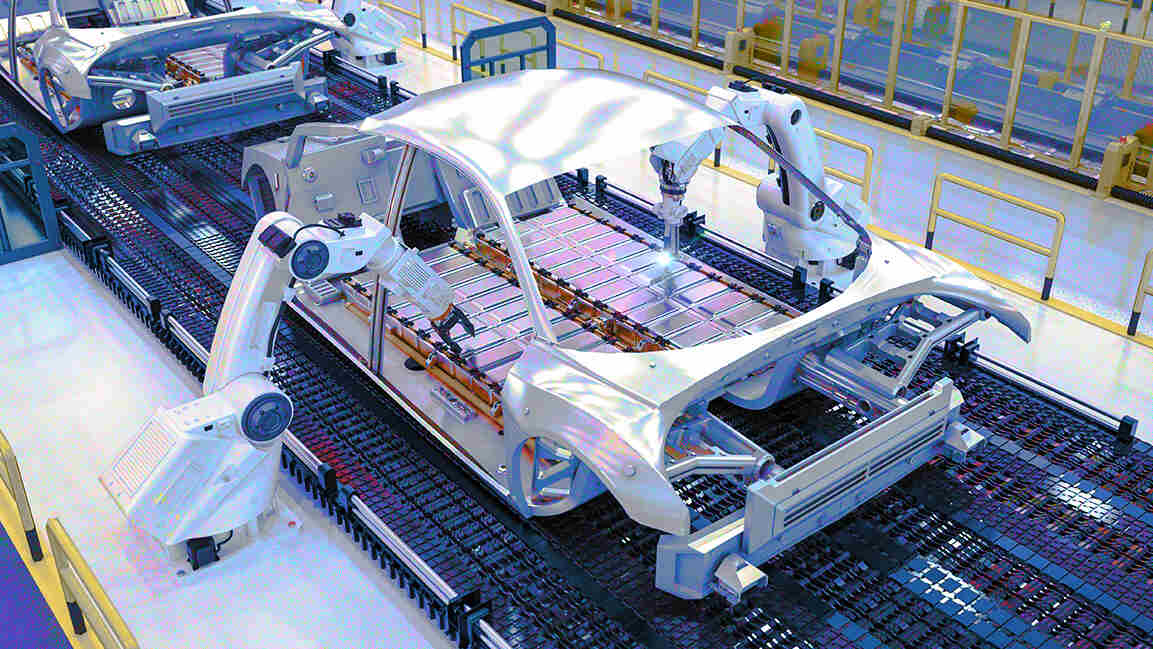


Egypt is taking another step toward building its domestic automotive industry after Chinese automaker ROX Motor signed a partnership with Ezz El Arab El Sewedy Industrial Investment Group to manufacture vehicles locally and expand export capacity.
The venture will produce ROX’s range-extended electric vehicle (REEV) models in Egypt, supporting the country’s efforts to deepen industrial localization, increase value-added manufacturing, and accelerate the adoption of cleaner transportation technologies.
The agreement was signed in the presence of Minister of Industry Kamel El Wazir, Minister of Investment and Foreign Trade Hassan El Khatib, and ROX Motor founder and CEO Jarvis Yan.
The partnership aligns with Egypt’s Automotive Industry Development Program (AIDP), which aims to localize vehicle production, attract foreign direct investment, and position the country as a regional hub for automotive manufacturing.
Speaking at the signing ceremony, El Wazir described the agreement as a tangible outcome of Egypt’s national automotive strategy, highlighting the progress made in transforming the country into an investment destination.
According to the Ministry of Industry, the minister said years of investment in infrastructure and industrial development are now translating into partnerships with international manufacturers, supporting the government’s goal of expanding local production and increasing value-added output.
The automotive sector remains a priority industry under the AIDP, which targets annual domestic vehicle production of 100,000 units by 2030. To support that goal, the government has introduced incentives and investment facilitation measures to strengthen local manufacturing capabilities and expand Egypt’s industrial base.
El Wazir said the partnership reflects growing international confidence in the competitiveness of the Egyptian economy and underscores the role of collaboration between global manufacturers and local industrial groups in advancing the country’s industrial ambitions.
He added that the project could help meet domestic demand, strengthen Egypt’s export capabilities, and support the entry of locally manufactured vehicles into international markets.
The minister also called for a clear roadmap to increase local content and value-added production as the venture expands, while expressing optimism that the partnership will contribute to technology transfer and the development of Egypt’s automotive ecosystem.
The agreement comes as Egypt seeks to attract greater investment into advanced manufacturing sectors and position itself as a regional production and export hub for next-generation mobility technologies.

Featured Videos
Today's Top Stories:
More Top Stories:





FROM OUR PARTNERS