- | 12:00 pm
The ocean economy is worth $2.6 trillion. What comes next?
The sector has doubled in real terms over the past 25 years, with gross value added rising from $1.3 trillion in 1995 to $2.6 trillion in 2020.



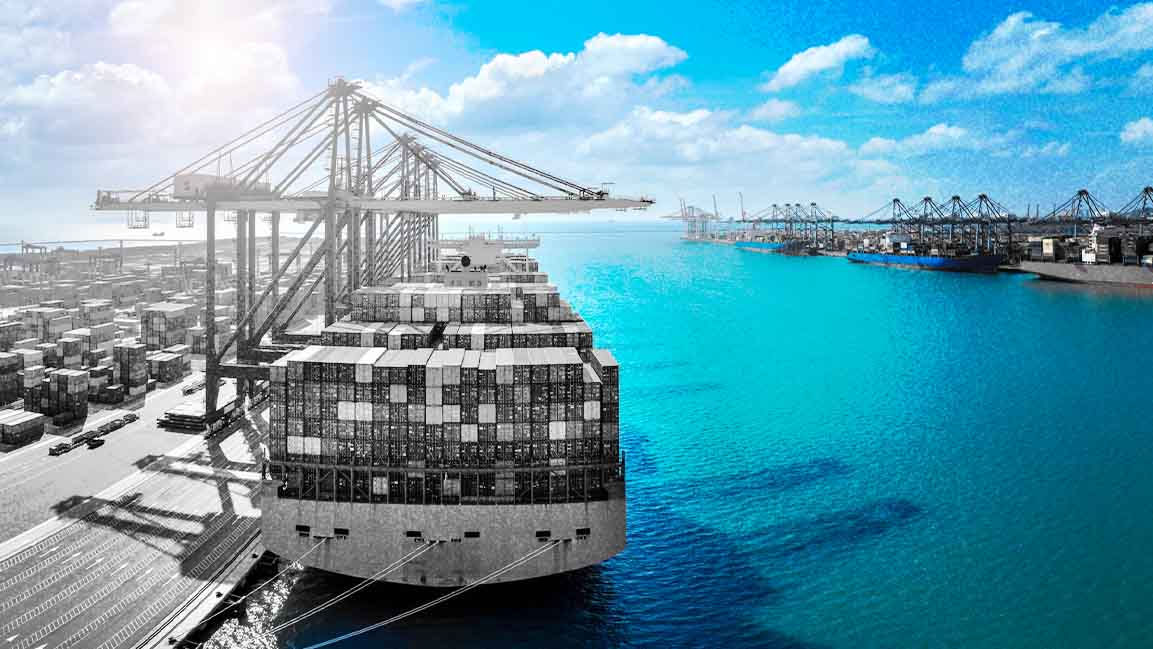
The global ocean economy is valued at $2.6 trillion, which would make it the world’s fifth-largest economy if treated as a country, according to a report by First Abu Dhabi Bank (FAB).
The report, titled The Ocean Economy: Becoming the World’s Fifth-Largest Economy, found that the sector has doubled in real terms over the past 25 years, with gross value added rising from $1.3 trillion in 1995 to $2.6 trillion in 2020.
It examines how financial mechanisms could support sustainable ocean projects, mobilise private capital and strengthen economic resilience.
The report estimates that around $175 billion in annual financing is needed to support the UN Sustainable Development Goal 14 on life below water. It identifies stronger project pipelines, clearer standards, better data and financing structures as key requirements for turning ocean priorities into investable opportunities.
The findings draw on a roundtable convened by FAB in partnership with the World Economic Forum during London Climate Action Week.
The report calls for the development of bankable investment opportunities and scalable financing models, alongside greater coordination between policymakers, businesses and financial institutions to increase private-sector participation.
It also identifies opportunities to expand blue finance in the Middle East by linking the region’s positions in global trade, energy transition, water security and coastal development with international capital and technical expertise.
FAB said its focus on the sustainable ocean economy forms part of its broader sustainable and nature-related finance strategy.
The bank has issued what it describes as the first blue bond by a GCC financial institution, supporting water and wastewater infrastructure, and was the first MENA financial institution to publish a disclosure aligned with the Taskforce on Nature-related Financial Disclosures (TNFD).
FAB also served as Principal and Official Banking Partner of the IUCN World Conservation Congress 2025, where it supported discussions on nature finance, biodiversity, water and the climate-nature nexus.

Featured Videos
Today's Top Stories:
More Top Stories:



FROM OUR PARTNERS