



The brand that matters in architecture in 2026
Where rapid urbanization meets a deep sense of place, every building is a statement about what the region intends to leave behind


Fast Company Middle East unveils the Brands That Matter 2026 list, celebrating 32 winners across 19 categories. These brands are making a real difference, combining purpose with performance to create lasting impact. From advertising and banking & finance to retail and technology, they’re reshaping industries and championing values that matter most today
Architecture is changing as sustainability, technology, and new ways of living influence how we build. Architects now focus on creating spaces that work well, are environmentally friendly, and feel comfortable for people. They use smart technology and new materials to do this. Whether it’s mixed-use buildings, the reuse of old spaces, or planning for the future, architecture helps make communities stronger, more efficient, and better connected.
Msheireb Downtown Doha
For reimagining urban development
Msheireb Downtown Doha has shown that heritage and sustainability can go hand in hand in city planning. This 31-hectare area in central Doha combines traditional Qatari design with modern environmental standards. Every building has earned LEED certification, and the district uses 30% less resources than typical developments. It draws 16 million visitors each year, and is home to companies such as Qatar Airways, Microsoft, Google Cloud, and TikTok. The district’s Seven Principles framework, which focuses on passive cooling, walkability, and designs rooted in local culture, has been shared at major events like the World Urban Forum and Smart City Expo as a model for sustainable cities. The Msheireb Museums, comprising four restored historic houses, have welcomed over 600,000 visitors and provided educational programs to more than 200,000 students over the last decade.
Roar
For making inclusiveness a design and business advantage
Roar has earned its reputation by showing that inclusive design is a strategic business choice, not a compliance requirement. Over the past year, the studio’s biggest achievement was its whitepaper, Designing Workplaces for Neurodivergent Adults, written by founder Pallavi Dean and Managing Director Kathryn Athreya. The paper encourages designers to see neurological diversity as a key part of the design process, not just a special case. At INDEX Saudi Arabia, Roar worked with furniture brand MDD to turn neuroscience research into an interactive exhibition stand with four zones, each focused on different cognitive and emotional experiences. This approach challenged the usual product-focused booth style.

Featured Videos
Today's Top Stories:

FROM OUR PARTNERS







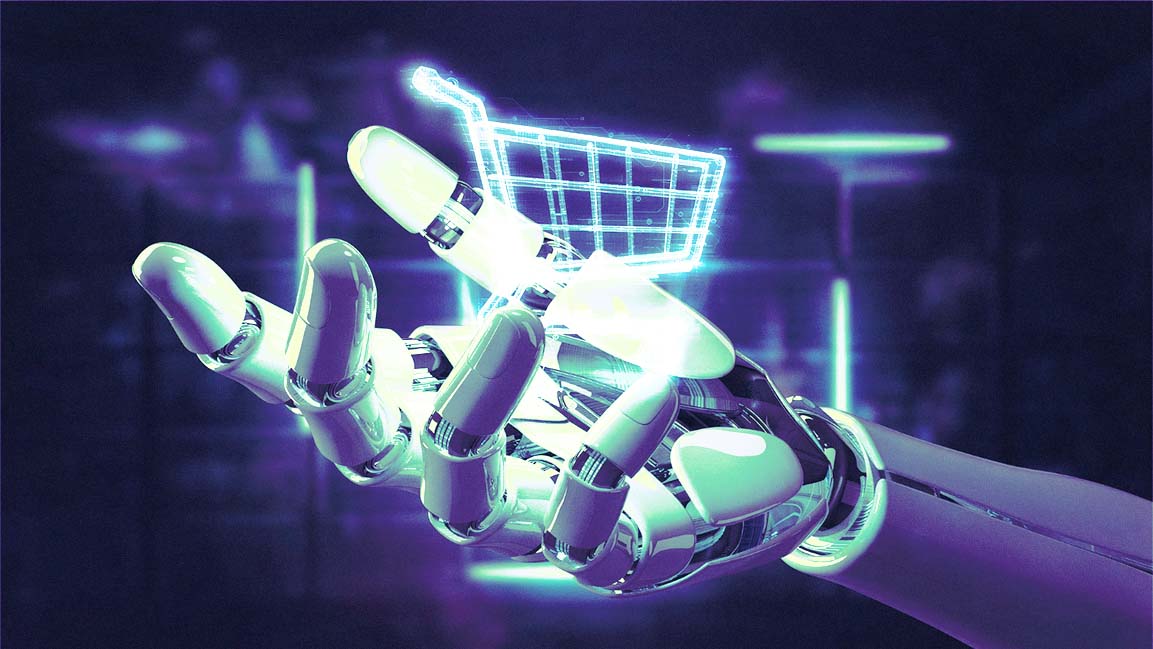
Dubai CommerCity signs deal to accelerate agentic AI adoption in digital commerce
The partnership will explore AI-powered automation, cross-border commerce, and innovation to help businesses expand into international markets.
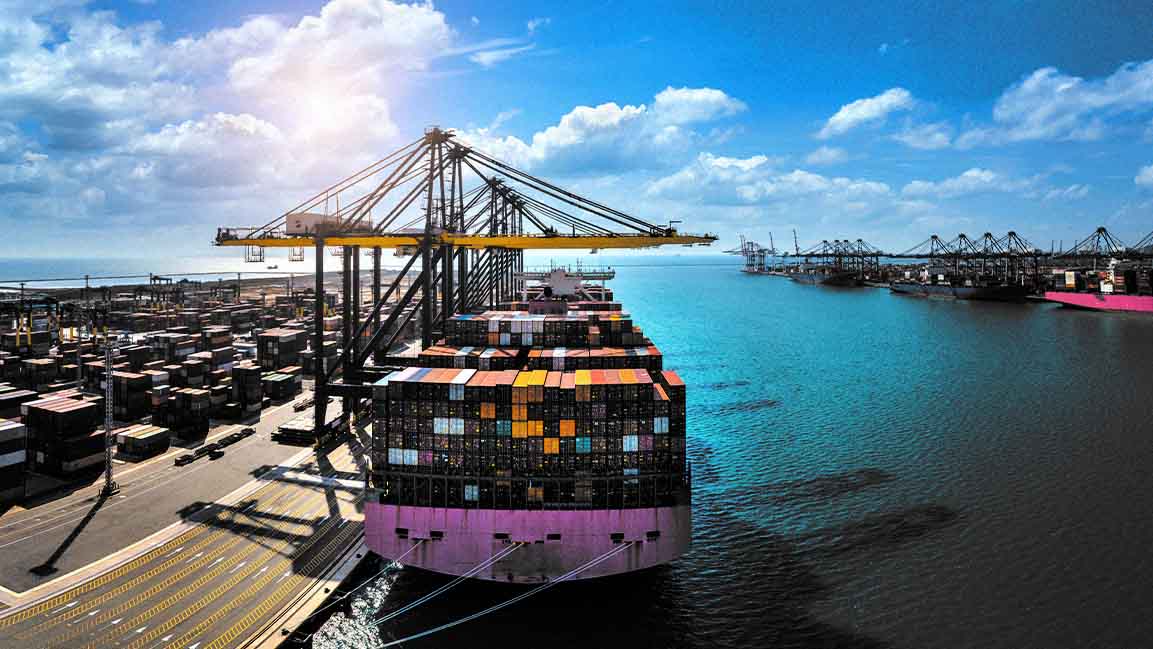
Ajman Chamber joins UAE trade mission to Belgium to expand business ties
The chamber’s participation in a UAE trade mission aims to strengthen economic partnerships and expand business cooperation between the two markets.
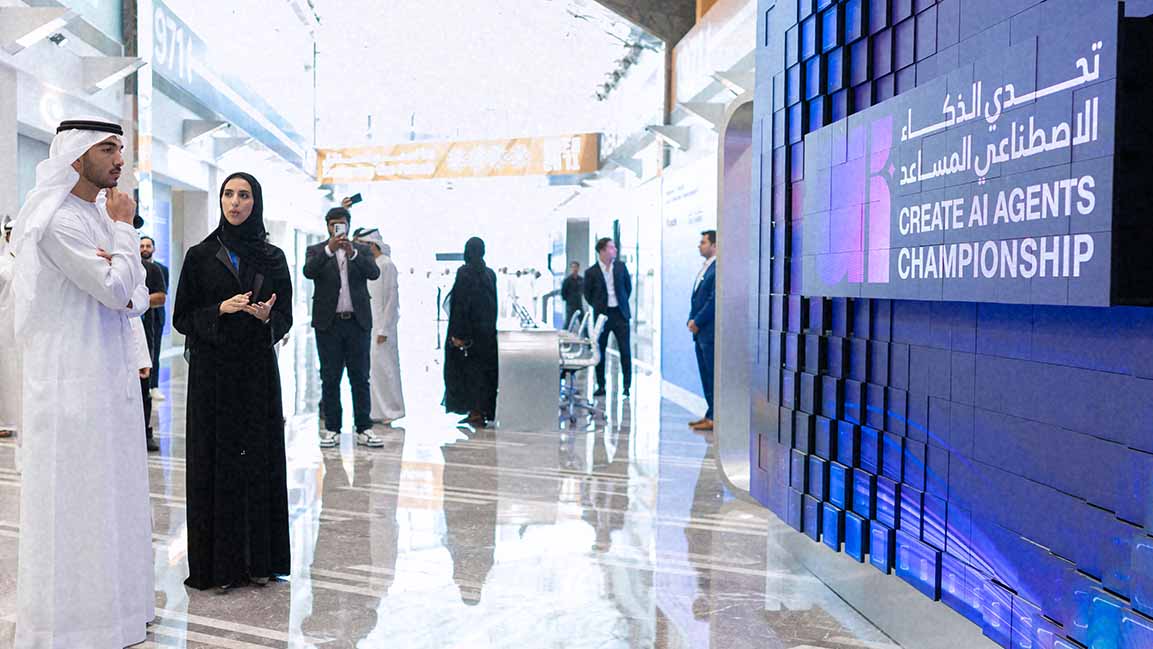
Dubai launches global push to turn AI agents into real-world products
The competition will offer funding, training and mentorship to innovators developing AI-powered solutions for real-world challenges


