Why investors are betting on the UAE capital markets
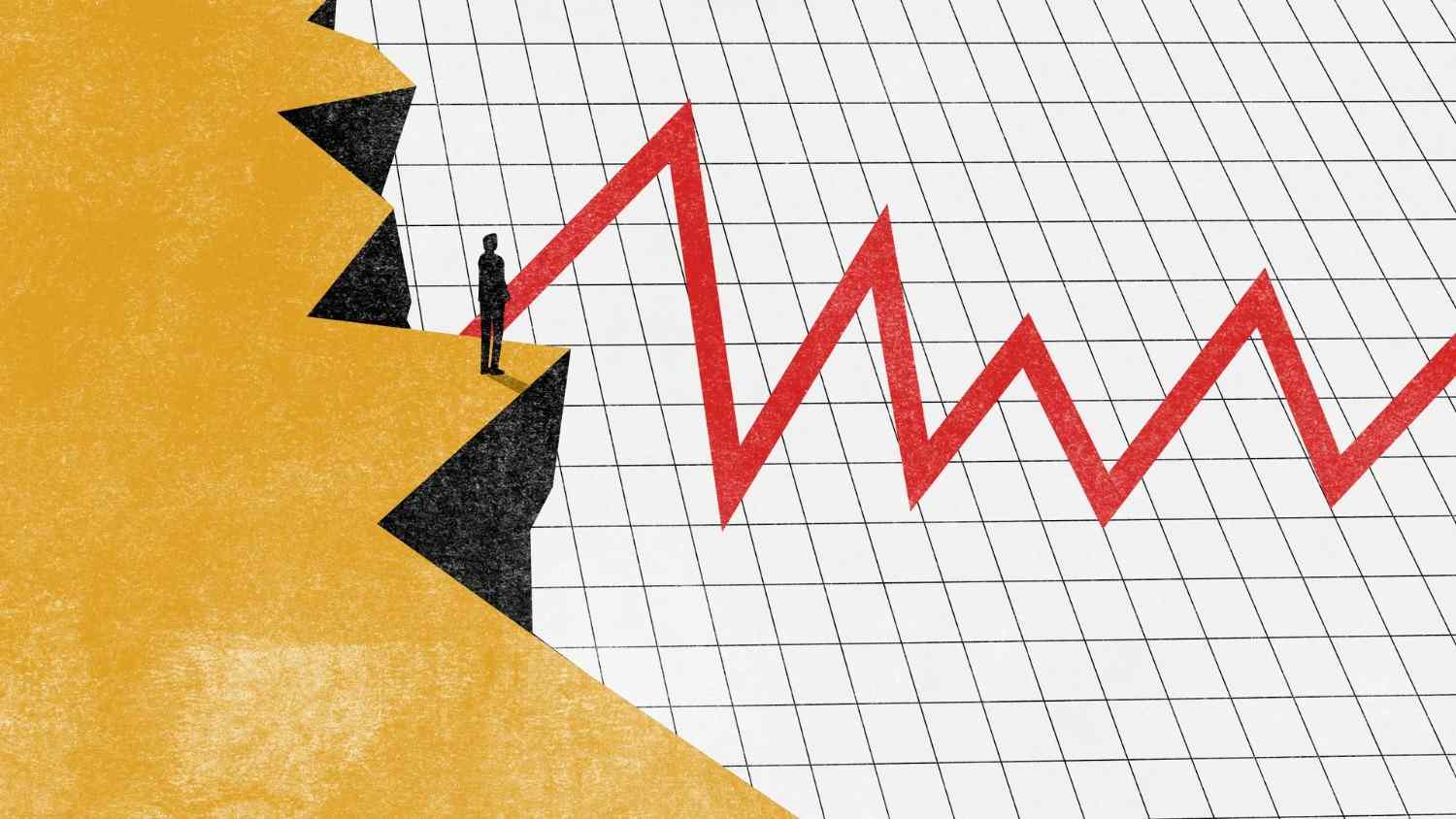
The UAE’s capital markets are entering a strong growth phase backed by strong fundamentals. However, experts say, the risks have not disappeared.



In June, the Central Bank of the UAE slashed its growth forecast for this year, citing the uncertainties in the Middle East. But remarkably, for a country that has been suffering due to the Iran war, the capital markets have been performing strongly.
The Capital Market Authority licensed 43% more companies in the first nine months of 2026. Together, ADX and DFM reached a market capitalization of AED 3.7 trillion (about $1 trillion). In the first half of 2026, DFM gained 42,864 new investors. That, in a nutshell, shows strong growth.
What is behind the renewed investor interest?
STRONG FUNDAMENTALS
With a wider range of bonds, sukuk, and corporate credit available, the market is broader and deeper, and investors feel more optimistic about their home market now. But confidence extends beyond domestic investors.
The country holds an AA sovereign rating, keeps government debt below 35% of GDP, and has strong fiscal and external reserves. Experts say these strengths, along with many high-quality issuers, support steady growth and consistent investor interest.
“Local investors have a natural advantage in their home market. They know the issuers, the business models, and the policy environment well,” says Andreas Anthis, Head of Multi Asset & Absolute Return at Mashreq Capital.
That familiarity, he adds, gives them stronger conviction in domestic names than in international alternatives. “It also helps them separate short-term market noise from changes in fundamentals. That distinction has mattered in recent years.”
While regional shocks have hit sentiment, they didn’t impact earnings or credit quality.
The key factor is confidence in the UAE’s underlying economic model, says Tony Hallside, CEO, STP Partners.
“Investors are seeing resilient growth, strong banks, government-backed investment, and continued capital-market development despite regional volatility. DFM’s traded value rose 40.4% year-on-year to AED 119.5 billion (over $32 billion) in the first half of 2026, while foreign investors accounted for 51% of trading activity. That level of participation suggests confidence extends well beyond domestic investors.”
Most importantly, companies kept delivering through the regional conflict. “ADX-listed firms reported AED 48 billion in first-quarter profit, up 17% year on year, and had announced AED 66.2 billion in dividends by early June,” says Madhur Kakkar, Founder and CEO of Elevate Financial Services.
“Investors have seen that geopolitical shocks do not automatically trigger an exit from UAE assets; they are increasingly positioning on fundamentals rather than headlines,” adds Kakkar.
This is backed by eToro’s bi-annual Retail Investor Beat (RIB) survey of 1,000 UAE retail investors, which found that 93% of UAE investors are confident in the long-term performance of locally listed UAE companies. In contrast, 91% are confident in the UAE’s economy.
ATTRACTING YOUNGER INVESTORS
A new generation of investors is engaging with UAE capital markets more actively than before, drawn in by easier digital access, recognizable companies, and a market that now offers exposure beyond banks and property.
“Our RIB survey shows that young investors (ages 18-35) are seeking financial independence and long-term security, so they are looking at opportunities that match their primary goals,” says George Naddaf, Managing Director (MENA), eToro.
Access has changed dramatically. Digital onboarding, lower minimum investment thresholds, and mobile platforms have made investing far easier for younger people.
“The UAE’s first sovereign retail T-Sukuk is a good example: young investors under 25 and women together represented 45% of subscribers, while 76% of subscriptions were AED10,000 or less. The strongest longer-term opportunities should remain in sectors linked to structural growth, including financial services, infrastructure, logistics, utilities, and technology,” says Hallside.
Digital exchange platforms and trading apps have lowered costs and made it easier to open an account. Meanwhile, financial content and investment talks on social media have helped people notice more local opportunities. “Younger investors are also drawn to companies they know from everyday life: the telecommunications provider on their phone, the utility on their monthly bill, the airline they fly with,” says Anthis.
As most UAE-listed companies kept growing this year, the appeal likely builds on this opportunity to invest while investing in their financial futures,” adds Naddaf. “It further gives investors a reason to focus on the holistic business value.”
CREATING A BROADER BASE
To diversify its economy and make liquidity stronger and more stable, analysts think that getting more retail, institutional, domestic, and international investors into capital markets can help.
As markets become deeper, they attract index inclusion and foreign investors. This encourages more companies to list, which helps expand financing and supports the UAE’s economic diversification, says Anthis.
“A broader investor base across government bonds, sukuk, and corporate debt can help finance infrastructure, real estate, financial services, and emerging sectors, while strengthening liquidity and price discovery,” adds Anthis.
A broader investor base creates a stronger domestic source of capital and supports deeper secondary-market liquidity, says Hallside.
“DFM added 42,864 new investors in the first half of 2026, with international investors representing 71.4% of new registrations. More participation improves price discovery, supports trading depth, and gives private businesses greater confidence that public markets can fund growth. Over time, that can widen the range of sectors represented on UAE exchanges.”
The key opportunity is to channel more investment into businesses driving the UAE’s wide-ranging non-oil economy, says Naddaf. “A broader investor base can help these companies raise capital for expansion, supporting economic diversification.”
STRONGEST GROWTH PROSPECTS
Analysts say that financials, infrastructure, real estate, and government-related entities (GREs) have the best growth prospects.
“The biggest long-term opportunity is in private and family-owned businesses that have not yet listed,” says Anthis. When these companies go public, he adds, “they will increase liquidity, broaden sector representation, and let investors access parts of the economy that are currently out of reach.”
“Real estate and technology are the sectors investors feel most optimistic about for the next year,” says Naddaf, adding that investors also see technology, healthcare, and financial services as the most undervalued. “This means they see chances both in sectors expected to do well and in companies they think the market has not fully valued yet.”
Kakkar adds that the best growth potential lies where UAE economic priorities and corporate investment meet, especially in data centers, AI, renewables, logistics, and tourism.
OUTLOOK FOR 2027
Could 2027 be a big year for the UAE?
The UAE’s capital markets are entering a strong growth phase. The IMF expects the economy to grow by 7.7% in 2027 and describes the UAE as resilient to recent regional conflict, thanks to strong buffers and policy measures.
However, experts say, the risks have not disappeared. Geopolitics, oil-price volatility, global interest rates, valuations, and security selection will matter increasingly as investors become more selective.
“Over the next year, I would expect investors to become increasingly selective, favoring companies with strong earnings, sensible leverage, and clear exposure to domestic growth,” says Hallside.
“On equities, we are optimistic,” says Anthis. “Earnings visibility is good, the IPO pipeline is becoming active again, and valuations still leave room for upside. Some recent listings have priced in a lot, so the next year rewards selectivity, not momentum. Focus remains on balance sheet quality, earnings delivery, and sustainable dividends.”
Most UAE-listed companies continued to grow over the past six months. While the UAE’s capital market has reasons for confidence over the next year, supported by resilient company performance, Naddaf says confidence does not mean risks have disappeared,
“Following the initial sell-off, the market absorbed the shock, although it remains below pre-conflict levels. UAE retail investors have stayed engaged and become more selective, moving away from companies directly exposed to disruption and towards those better placed to withstand it.”
Business fundamentals will remain an important consideration for the year ahead, adds Naddaf.
While emphasizing this is not an all-clear market, Kakkar says, “We expect deeper foreign participation and a pickup in primary-market activity over the coming year, led by follow-on offerings before new IPOs. The foundation is in place: foreign investors accounted for 54% of DFM trading value and 47.5% on ADX in the first quarter. The main risk is the trajectory of the regional conflict, and markets would reprice quickly on any escalation.”