- | 3:00 pm
Middle East steel market to reach $60 billion by 2031, up from $44 billion in 2026
With nearly $2 trillion in infrastructure and industrial projects in the pipeline, Gulf countries are strengthening their global position in lower-carbon steelmaking
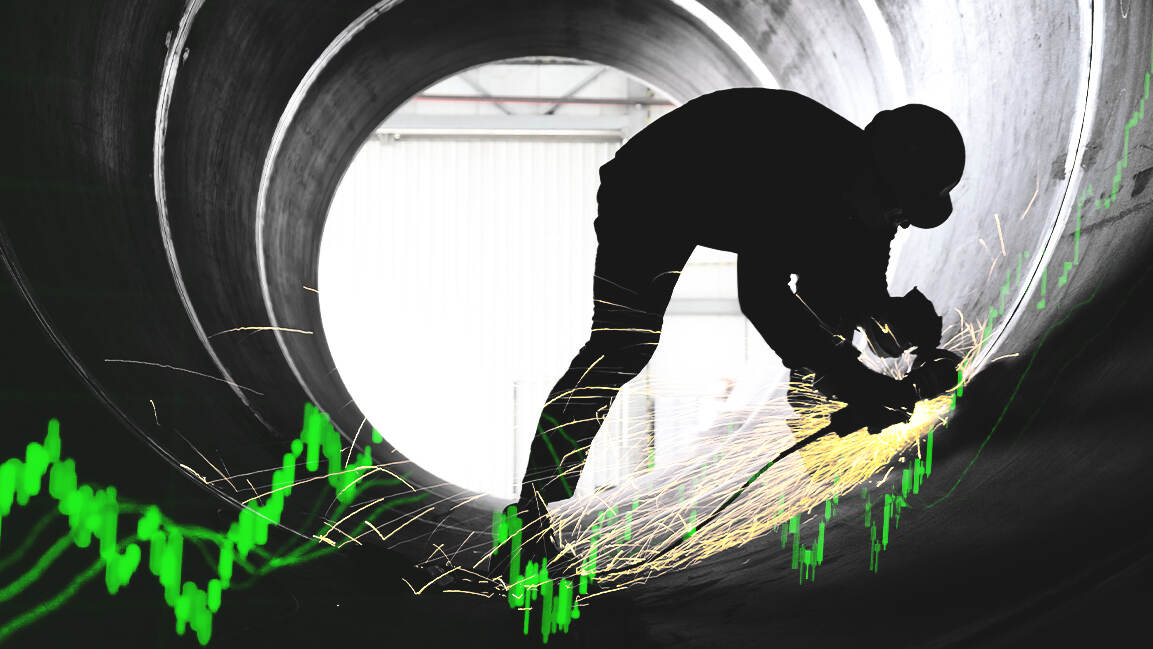


The Middle East is becoming one of the world’s fastest-growing steel markets, driven by major infrastructure projects, expanding manufacturing industries and demand for lower-carbon steel.
According to new data from global price reporting agency Fastmarkets, the regional steel market is expected to grow from $44 billion in 2026 to $60 billion by 2031, supported by nearly $2 trillion worth of infrastructure and industrial projects across the Middle East.
The outlook comes as steelmakers worldwide face changing trade policies, tighter carbon regulations and uncertainty over global supply chains and shifting trading routes. For the Middle East, these shifts could create an opportunity to strengthen its position in the global steel industry, particularly as Gulf countries expand their manufacturing sectors and invest in producing more materials locally.
The region’s significance is reflected in its production levels. According to Fastmarkets, crude steel output across the Gulf reached 21.6 million tonnes in 2025, up 9.5% from the previous year.
Alongside the increase in production, the region is also strengthening its position in lower-carbon steelmaking as growing pressure to reduce carbon emissions gains attention.
Around 95% of the region’s crude steel is produced using electric arc furnaces, which use electricity to melt steelmaking materials rather than relying on traditional coal-fired production methods. These furnaces can produce steel with fewer emissions, giving the Middle East a strong position in the transition to lower-carbon steelmaking.
“The past year has been challenging for many parts of the steel industry, making it more important than ever to focus on where real opportunities are emerging,” said Raju Daswani, CEO of Fastmarkets.
“The Middle East combines significant investment, growing demand, ambitious industrial development and a strong position in lower-carbon steelmaking,” Daswani added.
The growth also comes as Gulf countries invest in local manufacturing to diversify their economies and reduce their reliance on imports.
“The Middle East is moving from ambition to delivery, supported by major investments in infrastructure, manufacturing and industrial development,” said Saeed Ghumran Al Remeithi, Group CEO of UAE-based steel producer EMSTEEL.
He said the company is focused on meeting growing demand for high-quality steel while prioritising production methods that meet sustainability goals.
These developments will be discussed at the Middle East Iron & Steel (MEIS) 2026 conference, taking place in Dubai from November 16 to 18.
The event will bring together senior executives from steel producers and manufacturers, including EMSTEEL, Ezz Steel, Al Ittefaq Steel Products, Al Sharif Metals Group, UNICOIL and GravitHY.
Discussions will focus on growing steel demand, international trade, environmental regulations and the supply of materials needed to make steel, as the region looks to expand its role in the global industry.

Featured Videos
Today's Top Stories:
More Top Stories:

FROM OUR PARTNERS