- | 11:00 am
Middle East Energy 2026 explores what comes next for the region’s energy transition
Discussions at the event focused on AI and digital transformation, grid flexibility, energy efficiency and emerging technologies.
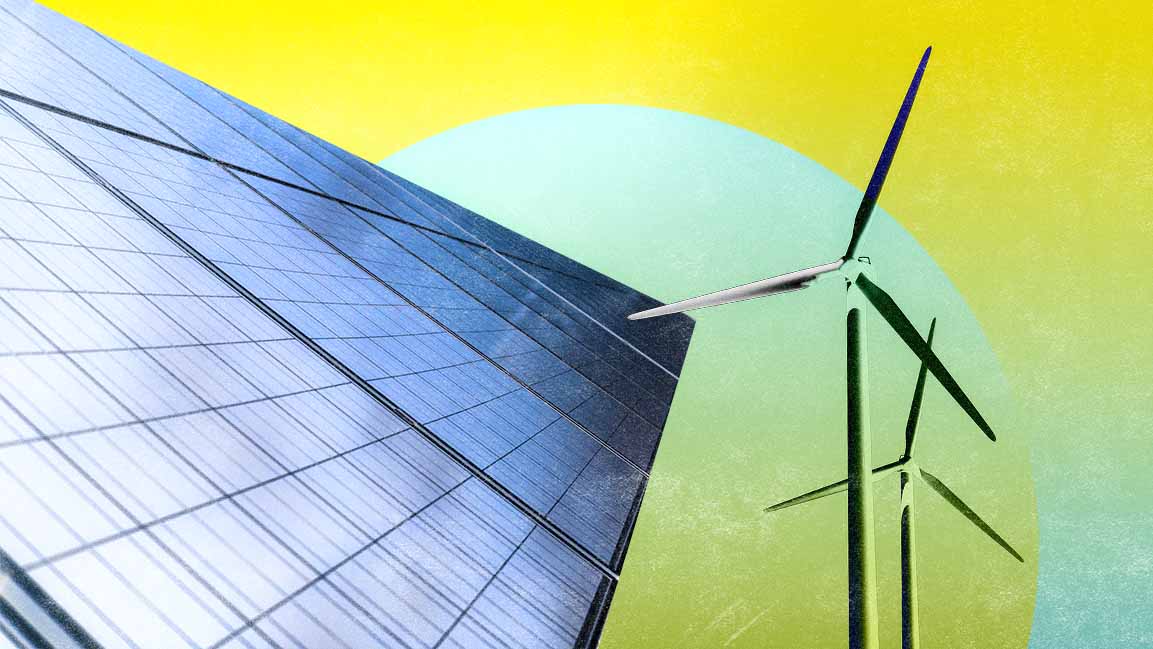


The second day of the 50th edition of Middle East Energy focused on the technologies, investment and infrastructure shaping the region’s energy transition, with discussions spanning AI, digitalization, grid flexibility, energy efficiency and emerging technologies.
The day opened with a Leadership Summit keynote from Sharif Al Olama, Undersecretary for Energy and Petroleum Affairs at the UAE Ministry of Energy & Infrastructure (MoEI), who highlighted the growing link between energy demand, technology and AI.
“Today, of course, energy has never been more important. Demand continues to grow, technology is advancing at an exponential rate, and artificial intelligence is reshaping how we produce, manage, and consume energy. These are not separate challenges; they are part of the same equation,” he said. “The question before us is not simply how we generate more energy, but rather how we build a cleaner, smarter, resilient, and sustainable energy system capable of supporting long-term economic growth.”
Discussing the UAE’s approach to the energy transition, Al Olama said: “For the UAE, the journey is guided by a simple belief: energy is not an end in itself. Energy enables progress. It enables industry. It enables technology. It enables mobility, prosperity, and, increasingly, national competitiveness. That is why the UAE has followed a balanced yet pragmatic approach, one that combines ambition with realism, innovation with reliability and energy transition with energy security.”
Across the event’s forums, government officials, utility executives and financial leaders examined the investment and infrastructure needed to advance the energy transition. Discussions focused on AI and digital transformation, grid flexibility, energy efficiency and emerging technologies, with an emphasis on moving from targets to implementation.
Saudi-based Red Sea Cables launched its 132 kV high-voltage cable, expanding its offering for energy, utilities, infrastructure and industrial applications. The launch came as exhibitors showcased technologies spanning power generation, transmission, distribution and renewable energy.
The Global Energy Efficiency Alliance also held a roundtable under the patronage of MoEI, bringing together Al Olama and 30 CEOs from energy companies. Following the discussion, Siemens, Honeywell, Schneider Electric, First Abu Dhabi Bank, Hitachi Energy, Siemens Energy and Net0 signed an MoU with MoEI to support the alliance’s energy-efficiency agenda.
Two Leadership Summit fireside discussions examined geopolitical and supply chain factors affecting the energy transition. “Navigating the Geopolitics of Europe’s Clean Energy Transition” featured Alvaro Nadal, former Spanish Minister of Energy, Tourism and Digital Agenda, and Patricia Espinosa, Founding Partner and CEO of onepoint5 and former Executive Secretary of the UNFCCC. The discussion explored changes in strategic partnerships and the role of policy, investment, and grid infrastructure in supporting Europe’s transition.
“Re-engineering the Energy Supply Chain: Who Is Reshaping Global Energy Delivery?” brought together Peggy Liu, Chairperson of JUCCCE (Joint US China Collaboration on Clean Energy), and Rebecca Harding, CEO of the Center for Economic Security. The session focused on changes in clean energy manufacturing and critical mineral supply chains, as well as the role of logistics and shipping routes.
The Technical Excellence Forum also examined decentralized energy systems, with its “Energy Transition & Decentralization” session covering distributed generation, microgrids and demand-side flexibility.
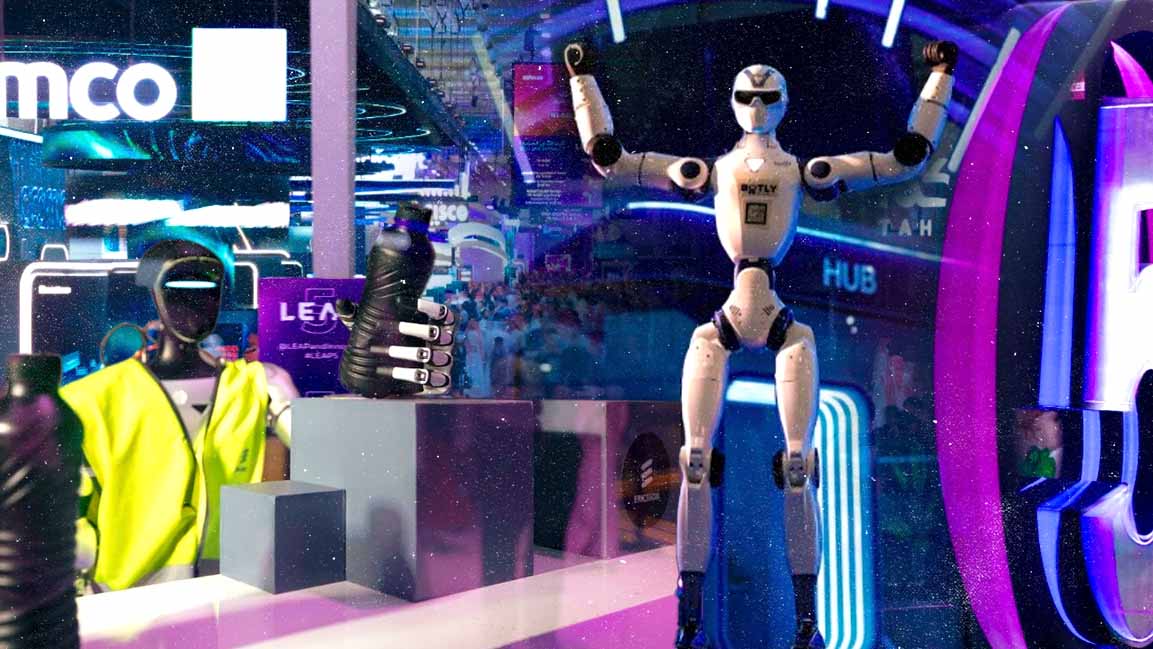
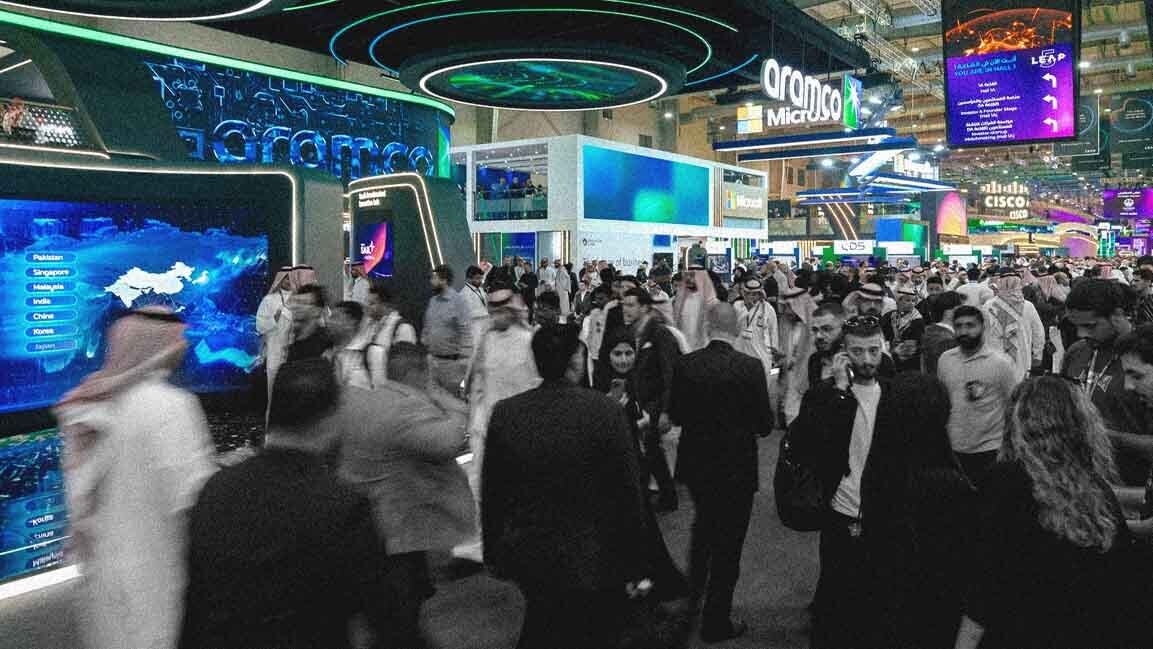
Across the exhibition floor, companies presented technologies for power infrastructure, utilities, energy efficiency and renewables. Comacon showcased intelligent infrastructure solutions, while Lucy Electric presented Nuventura Nu1, an SF6-free switchgear designed for applications up to 36kV. Saudi Meters displayed smart water and electricity metering systems, while Astro Cables showcased low-voltage copper and aluminum power cables, building wires, fire-resistant cables and solar cables.
AI applications were also featured, with InfiVR showcasing AI-based safety and HSE training solutions. China’s Shandong Taikai presented high-voltage power transmission and transformation equipment, while Hunan Guochuang Electric showcased transformer components for new-energy and ultra-high-voltage applications.
Hash House showcased its H1-630 cryptocurrency mining device, designed to operate with solar and battery systems and use surplus energy for cryptocurrency mining.

Featured Videos
Today's Top Stories:
More Top Stories:
FROM OUR PARTNERS