
- | 11:00 am
ATM 2026: What 50 years of investment taught the UAE about tourism resilience
UAE, UN Tourism and regional policymakers say early preparation and stronger cross-border cooperation will be critical to navigating future disruptions.
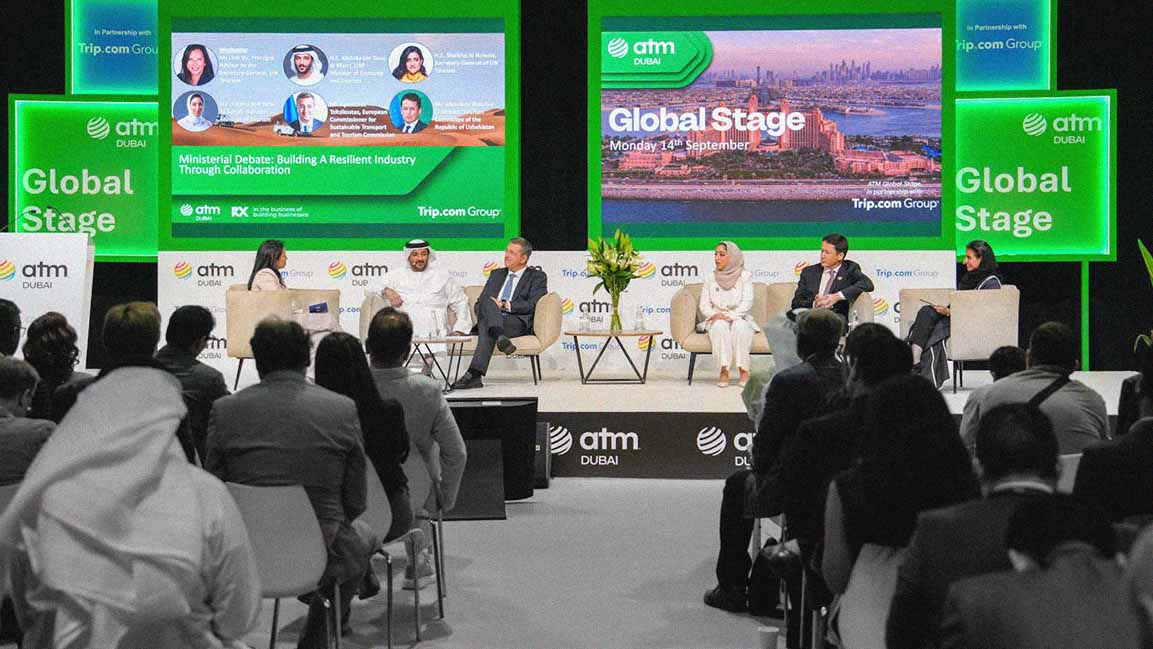


Preparedness and international cooperation were key themes on the opening day of Arabian Travel Market (ATM) 2026, as tourism policymakers from the Middle East, Europe, Central Asia and the United Nations discussed the GCC’s resilience and longer-term growth prospects.
The 33rd edition of ATM is taking place at Dubai World Trade Center from September 14 to 17, with this year’s program examining issues including tourism resilience, traveler confidence, artificial intelligence, connectivity, investment and changing traveler behavior.
UAE Minister of Economy and Tourism, H.E. Abdulla bin Touq Al Marri, and UN Tourism Secretary-General Shaikha Al Nuwais opened the Global Stage on day one, before joining Bahrain Minister of Tourism Fatima Jaafar Al Sairafi, European Commissioner for Sustainable Transport and Tourism Apostolos Tzitzikostas, and Uzbekistan Tourism Committee Chairman Abdulaziz Akkulov for a ministerial debate on building a more resilient tourism industry.
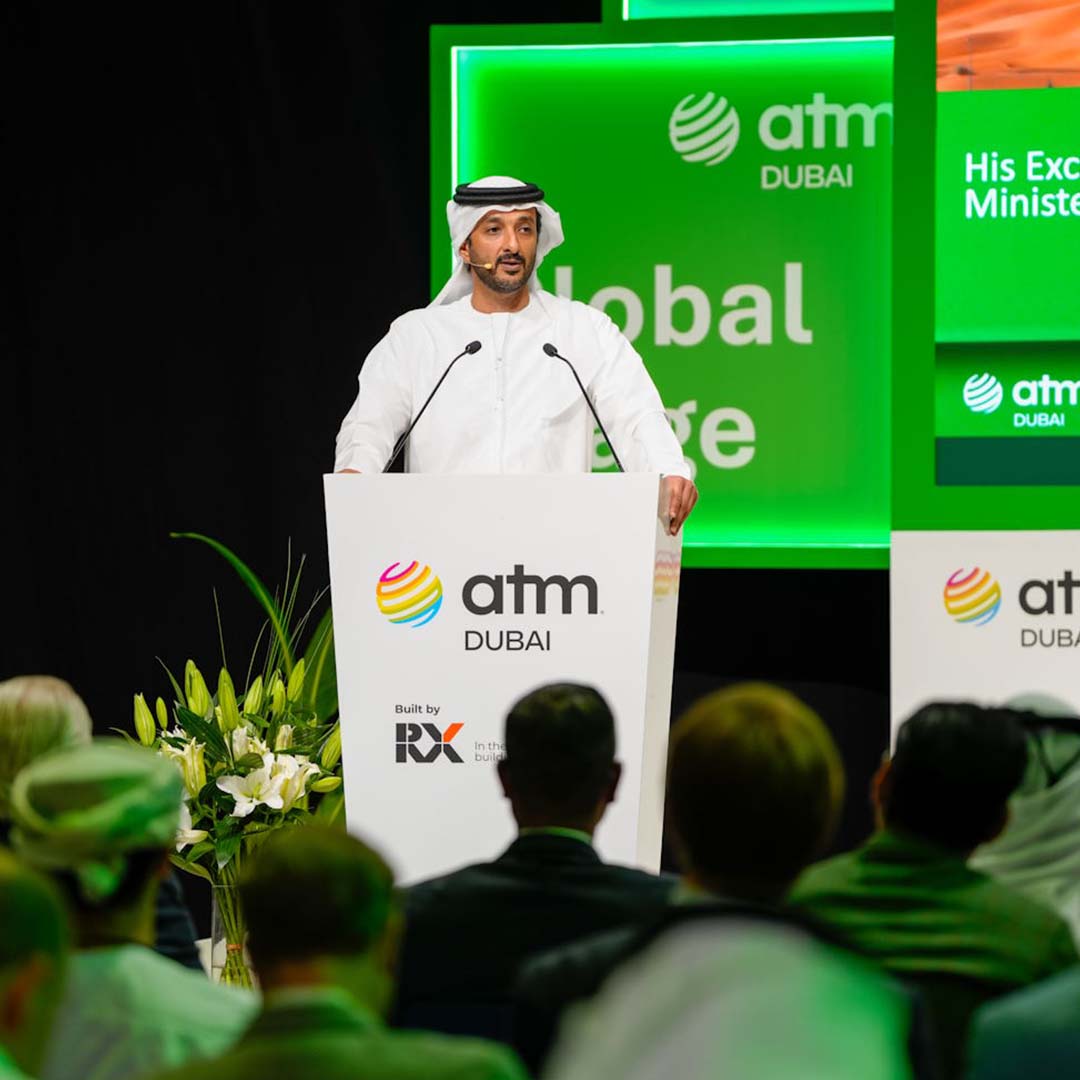
H.E. Abdulla bin Touq Al Marri, Minister of Economy and Tourism of the United Arab Emirates
Addressing the UAE’s response to recent geopolitical challenges, Al Marri said the country’s tourism resilience was underpinned by decades of investment and infrastructure.
“Everyone talks about tourism resiliency; I talk about tourism foundations,” he said. “Because what has been built over the last 50 years is the foundation of what we [have seen in recent] months. We saw the storm, we were in the middle of the storm, and we managed to maneuver ourselves perfectly.”
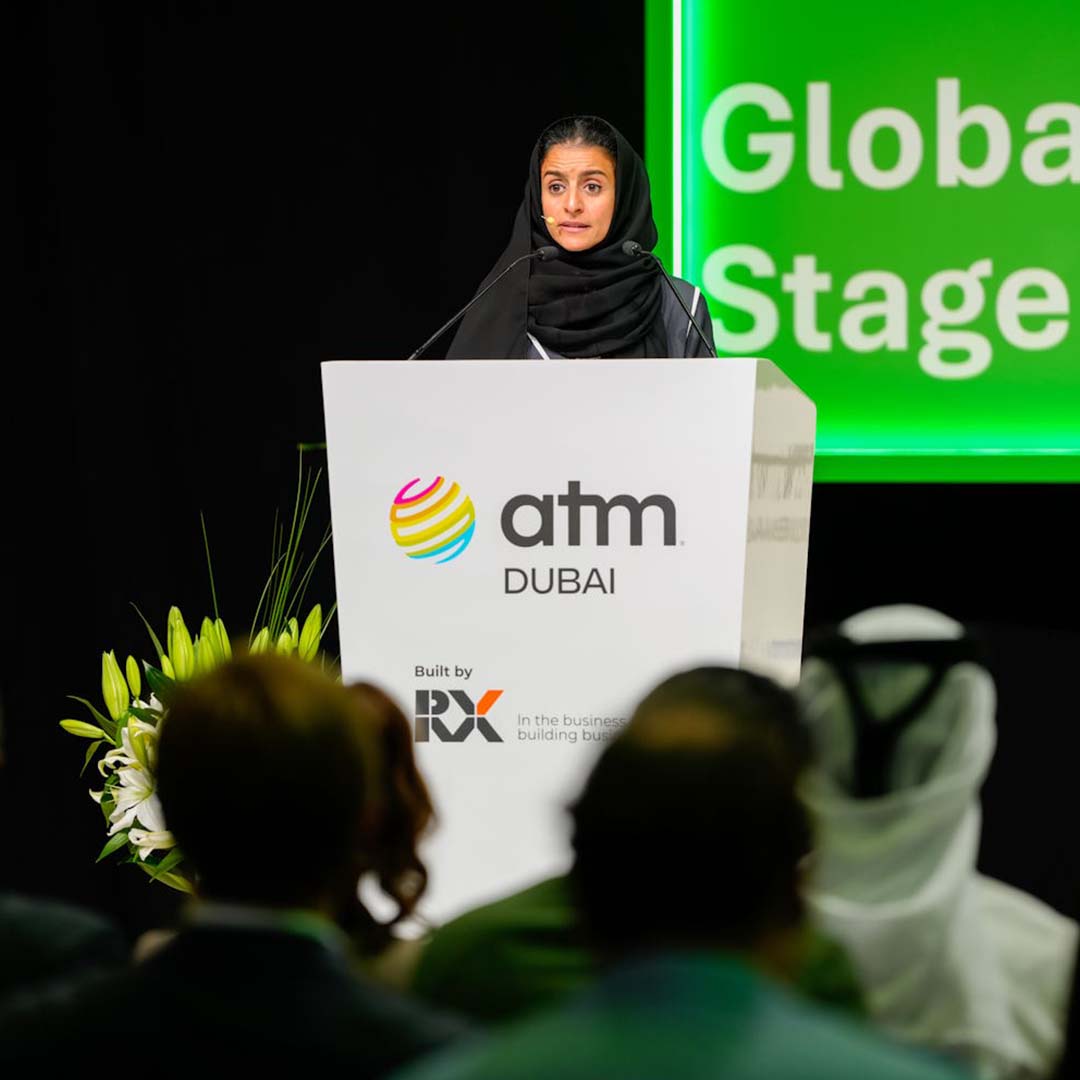
UN Tourism Secretary-General Shaikha Al Nuwais
Al Nuwais highlighted preparedness and early cooperation as key elements of managing future disruptions.
“The countries that handle crises best are the ones that prepare before they happen,” she said. “They build relationships early, they share information and they build trust – and that matters enormously.”
She added that established relationships can help countries respond more quickly when new challenges emerge. “When the next challenge comes, we are ready,” Al Nuwais said. “Ready because we learned. Ready because we already knew who to call. Ready because we built [resilience] together long before we needed it.”
Tzitzikostas said the European Union would continue to support its Gulf partners, describing the UAE and other Gulf countries as allies and partners while pointing to signs of recovery in tourism activity.
Al Sairafi pointed to the economic importance of tourism to the Gulf, saying the sector contributes more than 11% of GDP across GCC countries, compared with a global average of around 10%.
Akkulov highlighted Uzbekistan’s cooperation with Azerbaijan and UN Tourism, drawing parallels between the country’s approach to regional tourism collaboration and that of GCC markets.
The discussions come as the region’s tourism sector continues to face changing geopolitical and economic conditions. Research presented ahead of ATM by STR and Euromonitor International forecasts that travel spending across the Middle East and Africa will increase by nearly 48% by 2030, adding more than $50 billion to the regional tourism economy.
ATM 2026 is being held under the theme “Travel 2040: Driving New Frontiers Through Innovation and Technology.” The conference program is also examining the role of AI, digital transformation, smart mobility and changing traveler expectations in shaping the next phase of tourism.

Featured Videos
Today's Top Stories:
More Top Stories:



FROM OUR PARTNERS