
- | 1:00 pm
The GCC is betting on deeper integration. Can it power the Gulf’s next industrial revolution?
At the inaugural 'Made in GCC' forum, officials outlined plans to identify 20 joint industrial investment opportunities
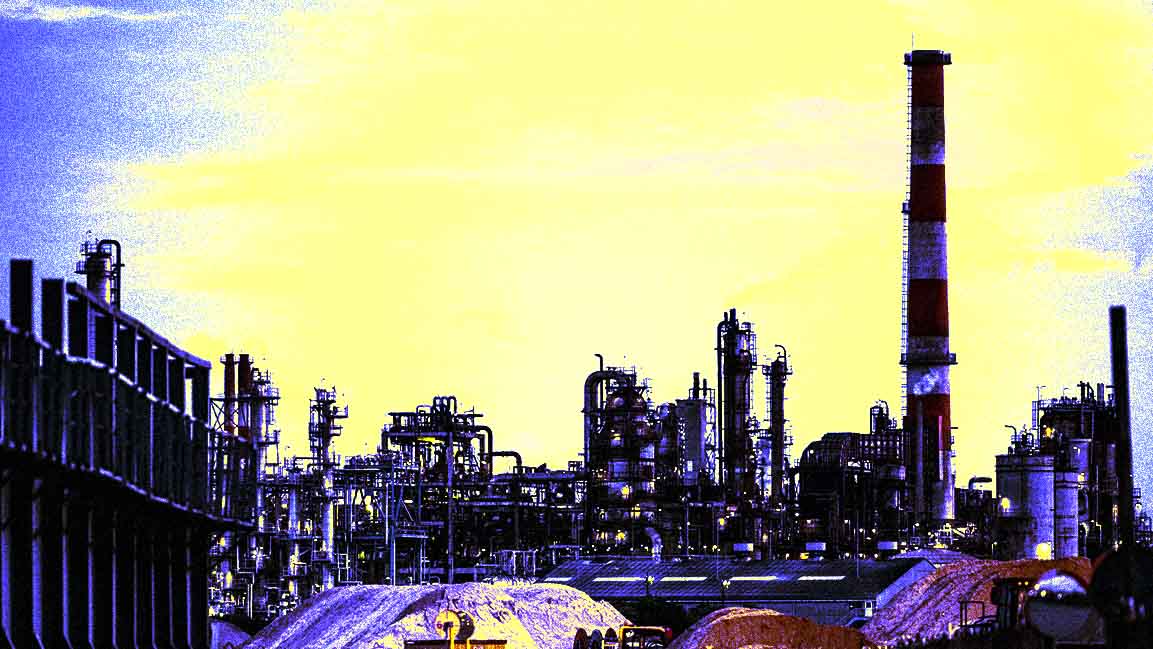


Gulf states are seeking deeper industrial integration as they look to increase regional production and strengthen supply chains across the six-member bloc.
At the inaugural “Made in the GCC 2026” forum and exhibition in Bahrain, officials outlined plans to expand cooperation across manufacturing, including a new initiative to develop joint industrial projects across the six-member bloc.
The first five projects have already been approved by the GCC Industrial Cooperation Committee and are part of a wider initiative to identify 20 joint industrial investment opportunities said Jasem Albudaiwi, GCC Secretary-General.
The push comes as Gulf states seek to build on their national manufacturing strategies by increasing cooperation across industries and making it easier for goods and materials to move between member states and beyond the region.
The case for greater integration is compelling. According to Albudaiwi, the GCC already has more than 22,000 factories employing about 1.7 million workers, while manufacturing contributes about 13% of the bloc’s gross domestic product.
That industrial strength is also reflected in global rankings. When it comes to GCC states occupy six of the top seven positions in manufacturing production and export capacity, Arab countries in the United Nations Industrial Development Organization’s 2025 Competitive Industrial Performance Index, with two member states ranking above the global average.
That industrial strength is also reflected in global rankings. The GCC states occupy six of the top seven positions among Arab countries in the United Nations Industrial Development Organization’s 2025 Competitive Industrial Performance Index, which measures manufacturing production and export capacity.
The UAE and Saudi Arabia ranked above the global average, placing 32nd and 34th, respectively. Qatar ranked 48th, followed by Kuwait at 53rd, Oman at 58th and Bahrain at 63rd.
“These figures inspire pride in what has been accomplished and motivate joint efforts toward even greater milestones,” Albudaiwi said.
For Albudaiwi, the opportunity now is to connect those individual industrial strengths more closely across the region.
“When our industrial capabilities are integrated and our policies are unified, we can achieve what no single country can achieve on its own,” he said.
The bloc has already taken steps in that direction through the GCC Industrial Strategy 2022–2030, including efforts to align industrial policies and standards, strengthen regional supply chains and improve the competitiveness of locally manufactured products.
The Made in the GCC forum is intended to build on those efforts, with discussions focused on access to global markets, industrial integration, supply-chain resilience, financing, smart factories, industrial innovation and developing Gulf talent. The aim is to explore new partnerships between manufacturers, investors, financing institutions and research organizations and strengthen the presence of Gulf-made products in regional and international markets.

Featured Videos
Today's Top Stories:
More Top Stories:



FROM OUR PARTNERS