- | 9:00 am
Why brands in the Middle East keep getting meme marketing wrong
A poorly executed meme can make a brand seem out of touch rather than culturally relevant. Successful companies understand a meme's context, know their audience, and don't turn every joke into a sales pitch.
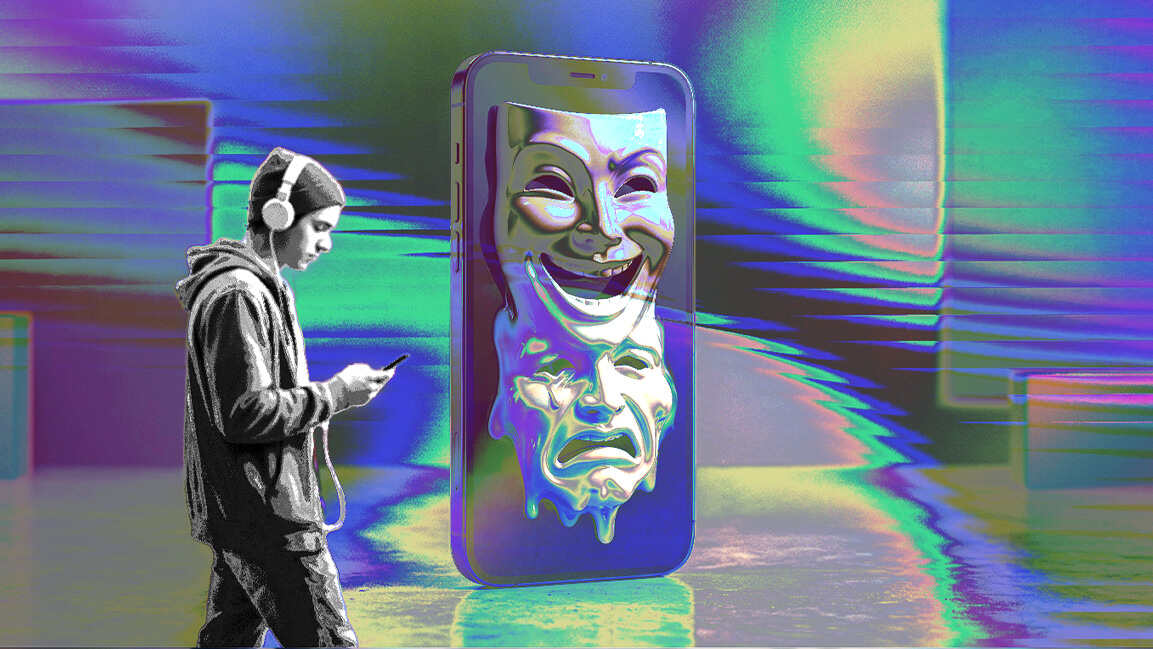


By the time a meme has passed through a campaign brief, an agency, a designer, and several approval rounds, the joke may already be old. That is the basic tension in meme marketing: a format created for speed and shared instinct is often handled by organizations built to minimize risk.
Research shows that 41% of consumers want brands to participate in meme culture and social trends, while only 25% want brands to use popular youth slang and phrases. This gap suggests that audiences may welcome brands engaging with internet culture but are less receptive when those efforts feel forced.
The real challenge is joining in without looking like you’re trying too hard. When brands copy internet humor without really understanding it, their efforts can seem more like a marketing trick than a real attempt to connect.
People quickly notice when something feels fake, so a meme that doesn’t land can make a brand look out of touch instead of relevant.
THE APPROVAL QUEUE KILLS THE JOKE
Salma Mohamed,18, a university marketing student, says brands often fail to understand the memes they use in their posts. This can include recreating trends that do not suit their identity or using trending sounds out of context.
“A lot of brands, especially local ones, don’t realize that creating their own distinct identity is more appealing to younger audiences than using the same trends as every other page. It comes off as cringey, repetitive, and old.”
Andrew Baturin, chief marketing officer of Tumodo, says most brand memes are built backward. “A meme works because a group of people already share a feeling, and someone finds the shortest way to say it. Brands start from the other end: ‘We need to look relevant, let’s find a format.’ Audiences read that intent in a second.”
The approval process makes that problem worse. A meme can be current in the morning and exhausted by the time it is signed off. By then, a brand is not participating in the conversation; it is documenting that it missed it.
Data shows that a meme’s premium “attention elevation” window lasts only one to two weeks before audience saturation sets in. Brands that take too long to approve and publish a trending format face steep engagement declines and risk looking out of touch.
The third problem is the punchline. “The product shows up in the last frame, and the joke becomes an ad in costume. Relatability can’t be borrowed. You earn it by knowing your customer’s day better than anyone else,” says Baturin.
Similarly, Vlada Lomova, CEO of PRHub.ae, says most brands’ attempts at meme marketing fall flat because they arrive late and with an agenda.
“Audiences can tell when a joke was built backward from a campaign objective rather than from genuine participation in the community that created it,” she states. “A creator posts a meme to be funny, while a brand posts one to sell, and people sense that difference immediately.”
A CULTURALLY COMPLEX REGION
Mohamed says memes rarely translate seamlessly across cultures. Drawing on her experience with brands in Egypt, she explains: “Local brands are either using Egyptian-based memes, which are hard to translate into other neighboring countries. Some use western memes that have spread and risk not resonating with Arab audiences altogether.”
That does not mean regional brands should abandon humor. It means they should stop treating the Middle East as one feed with a common set of references.
Baturin says the region has no single audience. A Dubai feed, he notes, mixes Gulf, Levantine and Egyptian Arabic, South Asian communities and English-speaking expats.
“A meme that lands in Riyadh can be invisible in Dubai and misread in Cairo. Then some lines don’t exist in a London feed: religion, family, national symbols,” he says, explaining that humor considered routine elsewhere can pose a reputational risk in the region.
He adds that timing also matters, particularly during Ramadan, when the market’s tone shifts for a month. “When we moved our Saudi campaigns from English to Arabic, the response changed sharply. Language isn’t a translation layer. It’s the message.”
Similarly, Lomova explains that treating the Middle East as a single market is a common mistake. “Humor in Egypt, the Gulf, the Levant and North Africa runs on different dialects, references and comedic traditions, so a joke that lands in Cairo can fall flat in Riyadh. Sensitivities around religion, family and politics also narrow the margin for error.”
AUDIENCE RECEPTION
For brands looking to connect with younger audiences, Gen Z represents both a significant consumer group and a key driver of online culture. The generation accounts for nearly 20% of global spending, with its economic influence expected to grow over the coming decade.
It also plays a prominent role in meme culture, with approximately 44% of internet users aged 18–34 regularly sharing memes online. While this offers brands the potential for organic reach, success depends on how younger audiences perceive and respond to their content.
Baturin explains that younger audiences, particularly Gen Z, respond differently to brand-created memes than to those shared by creators or ordinary users.
“When a creator or a friend shares a meme, it signals ‘this person gets it.’ When a brand posts one, it signals ‘this brand is trying to get me.’ Gen Z doesn’t punish brands for being funny.”
He explains that Gen Z punishes brands for borrowing culture without adding anything. Younger audiences can also spot committee-made content, which often feels too polished and arrives too late.
“Two approaches work. One is handing the mic to creators and accepting that you’ll lose some control over the message. The other is a brand laughing at itself, never at its audience.”
Lomova says Gen Z grew up with internet culture and really values authenticity. They usually trust creators and regular users more because they seem genuine and not just trying to sell something.
“A brand meme is read with suspicion: who made this, why now, and what are they selling? It works only when the brand has earned the right through consistent tone, self-awareness or real community presence.”
THE RIGHT APPROACH
Mohamed says brands can benefit from engaging with internet culture, but few do it well. “Brands that poke fun at themselves, that study fandom and pop culture in depth, and pick specific memes or trends that match well with their customer base.”
As a consumer, she thinks these methods feel more real. They make a brand seem like it’s part of the joke and ahead of the curve, instead of just trying to keep up.
To participate in internet culture without appearing opportunistic or compromising their established identity, Baturin advises brands to start with their identity rather than the trend. “Ask one question: would we say this if the format didn’t exist? If the answer is no, skip it.”
He explains that organizations should focus on humor rooted in their customers’ actual experiences. In B2B corporate travel, for example, finance and travel managers share common frustrations, from chasing receipts and rebuilding expense reports to rebooking flights at 2 a.m.
Humor drawn from these experiences creates recognition, while jumping on an unrelated trend can appear opportunistic. Baturin adds that brands should empower small teams to publish quickly within clear boundaries, rather than rely on lengthy approval processes. Sometimes, he says, the strongest move is not to post at all.
As Lomova puts it, “Humor should feel like an extension of the brand’s existing voice rather than a costume worn for the occasion. Partnering with creators who understand the format works better than faking native fluency in-house, and fast approvals with clear red lines let teams move at internet speed safely.”
Memes cannot confer cultural fluency. They can only reveal whether a brand already has it. The best work adds a real point of view to a conversation; the rest is simply an ad waiting for the joke to end.