- | 12:00 pm
A robot kitchen in Abu Dhabi is making biryani in three minutes
The CA-1 robot system is capable of producing up to 120 hot meals an hour without human intervention
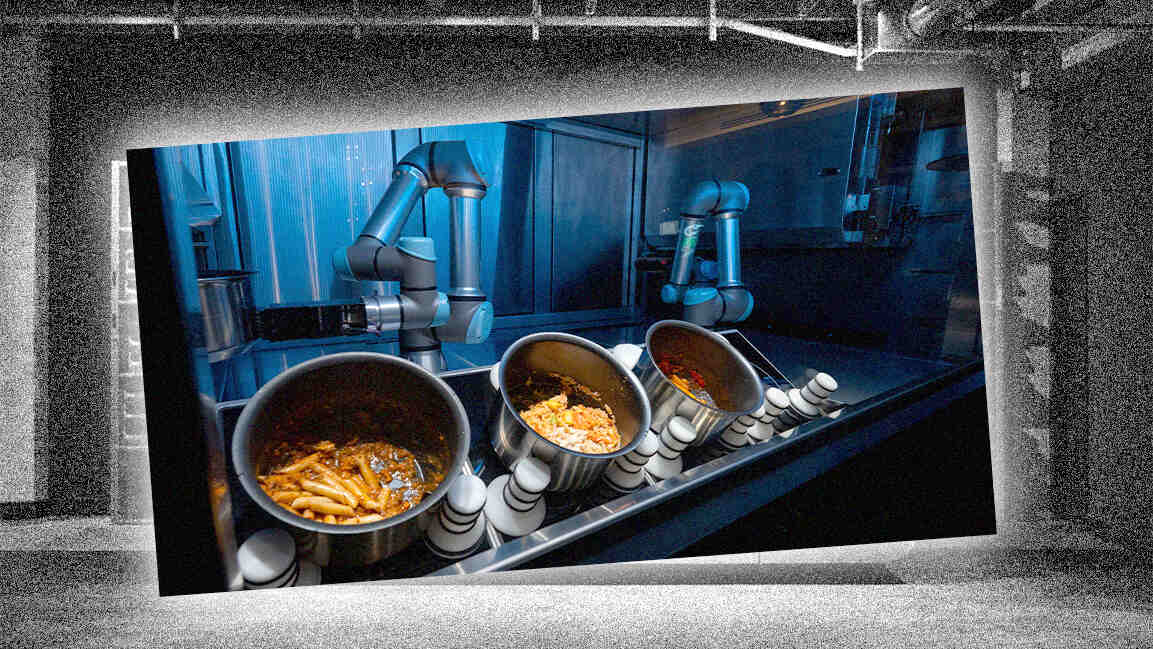


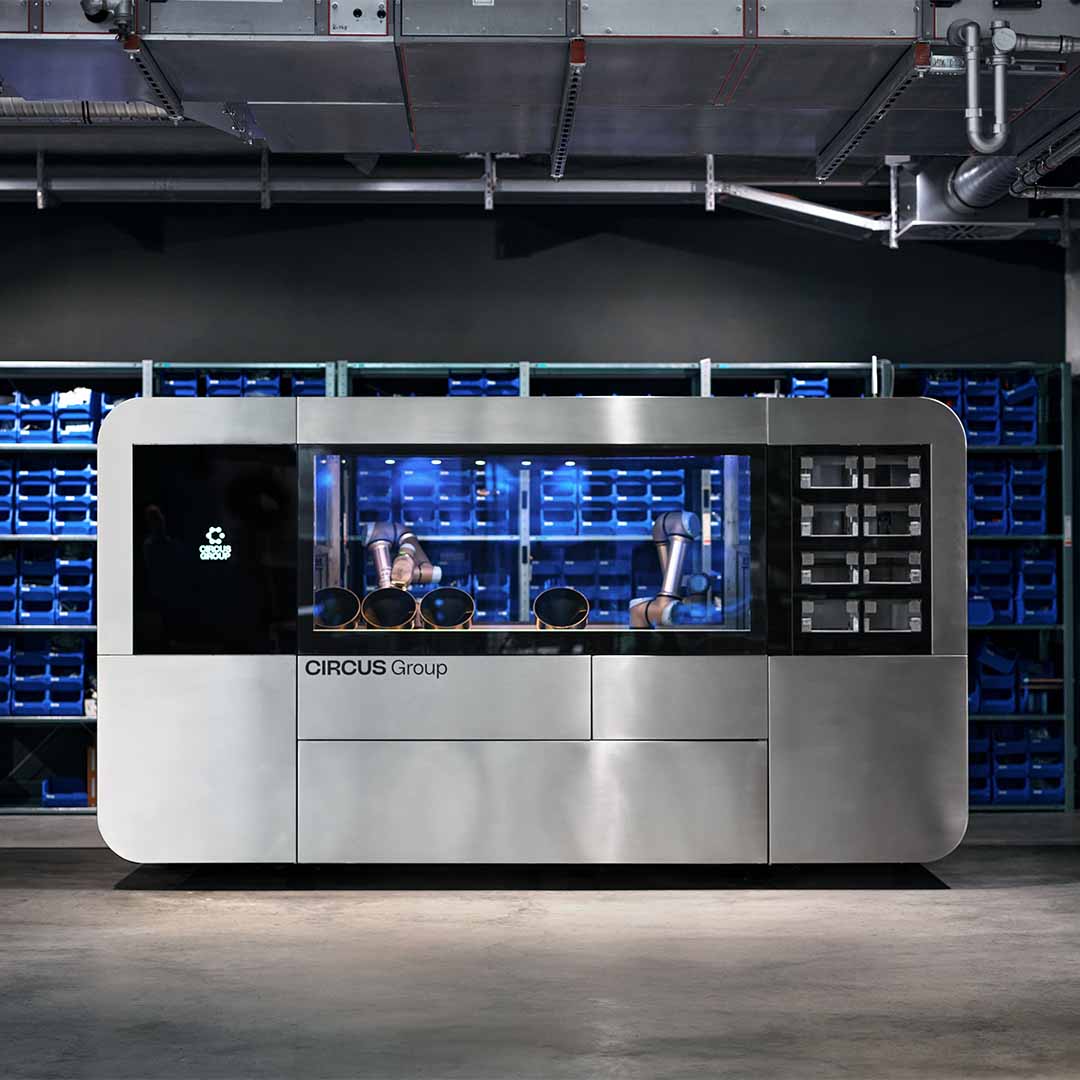
The future of food may not look like a restaurant. It could mirror a small container, with robotic chef arms mixing ingredients and preparing your food in what seems like the blink of an eye. That is the bet behind an autonomous kitchen now operating in Abu Dhabi’s Marina Square.
Developed by robotics and food technology company Circus SE, the CA-1 system uses robotic arms, cameras, sensors, and an AI layer to prepare meals with minimal human intervention. Circus currently operates across eight countries. The Abu Dhabi launch is the company’s first deployment outside Europe, bringing the technology to the UAE as part of a wider global rollout.
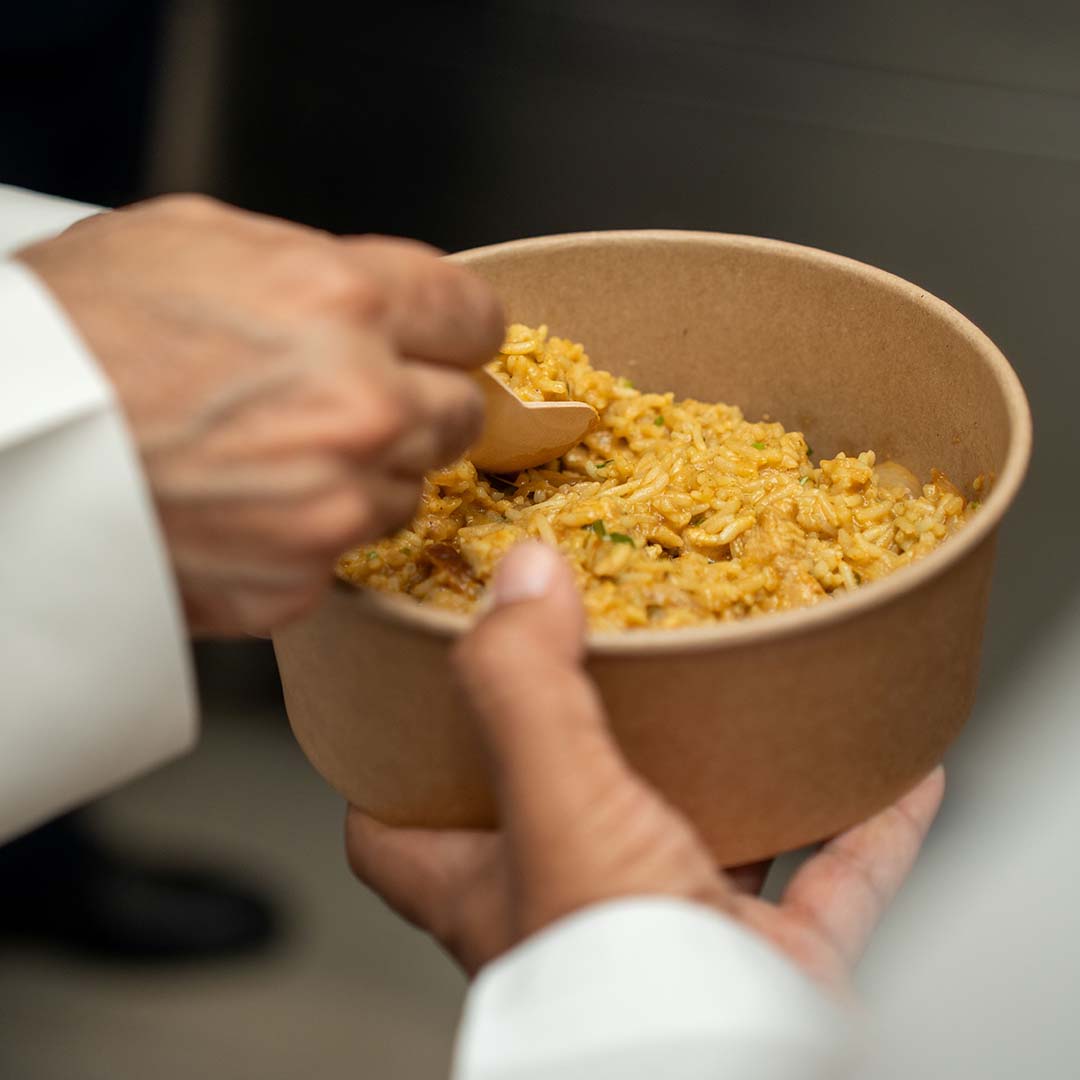
And one of the dishes it makes is chicken biryani (AED 40).
Courtesy: Circus Group
For Nikolas Bullwinkel, Founder and CEO, the opportunity is straightforward: food production is highly repetitive, making it particularly suited to robotics. At the same time, restaurants and food service businesses are dealing with rising labor costs, labor shortages, and increasingly complex operations.
“We’re coming from a simple belief that everything in food production is perfectly made to be disrupted through robotics,” Bullwinkel says.
The ambition is bigger than automating a kitchen. Circus wants to change how food is produced, distributed, and accessed, with the long-term goal of making meals more affordable and available around the clock.
Today, Bullwinkel says, much of what consumers pay for a meal is not the food itself. Labor, location, and the complexity of the processes involved can account for a significant portion of the final price.
“What we are doing through technology is kind of shifting the status quo and changing that quite radically,” he says.
TEACHING A ROBOT TO COOK
The technology goes beyond programming a machine to follow a fixed sequence of instructions.
Circus started as an AI and software company focused on large-scale kitchens before adding robotics. Its system collects data from the meals it produces and uses that information to identify patterns, understand demand, and improve efficiency.
CA-1 runs on CircusOS, the company’s proprietary operating system, which handles predictive diagnostics, inventory management, and real-time recipe adjustments.
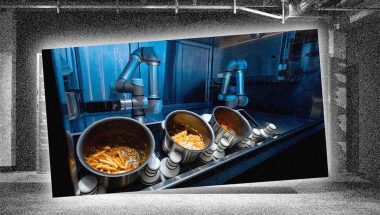
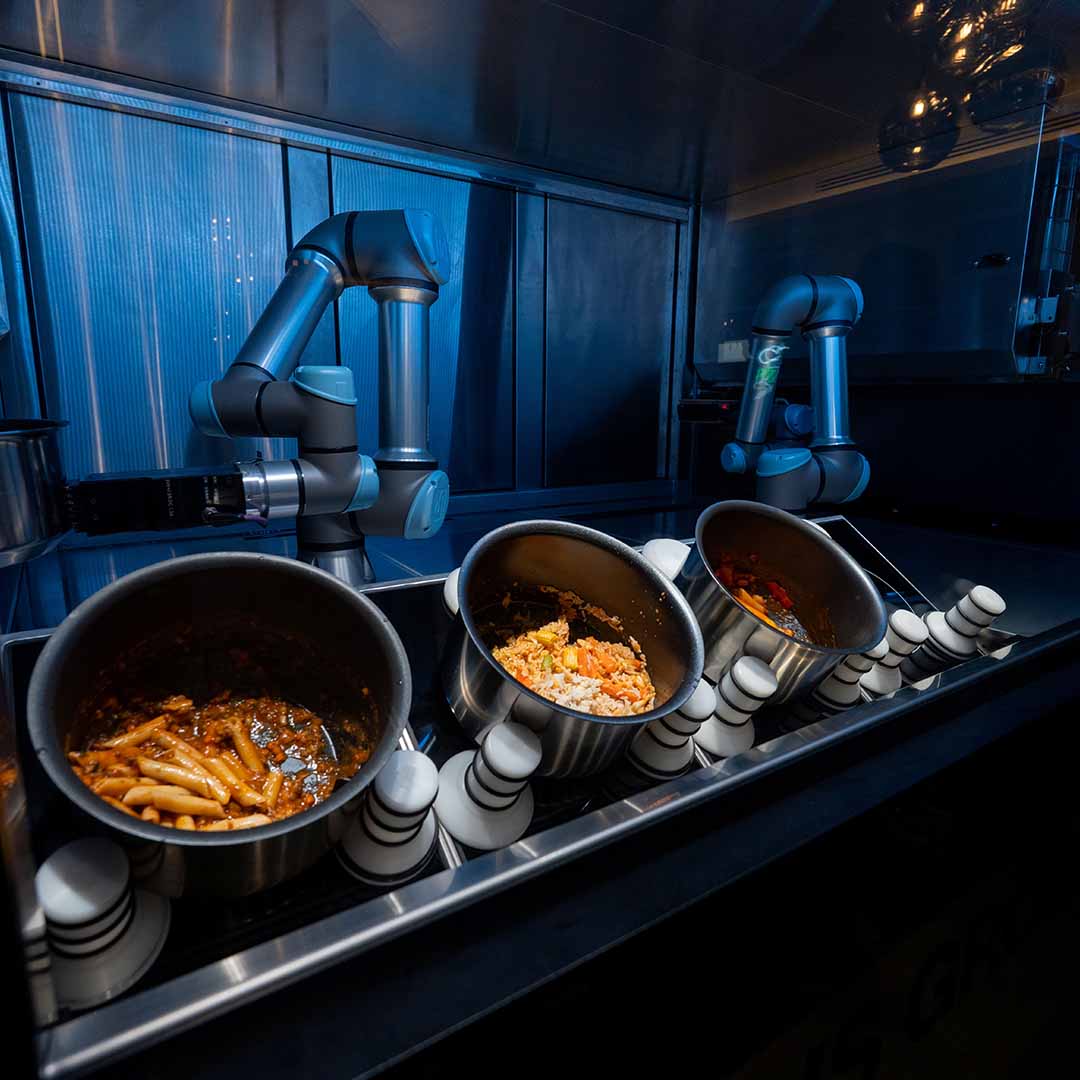
Inside the kitchen container, five cameras and multiple sensors monitor the cooking process, including heat, temperature, and consistency.
Courtesy: Circus Group
That matters because cooking is not simply a series of mechanical movements. A human chef relies on sight, smell, sound, and experience to determine whether something is cooking properly.
“You can hear something gets burned, you can smell it, you can see it at some point,” Bullwinkel says. “So we’re trying to really understand that within the system, and not just do plain steps A, B, C, but really give the intelligence of a chef through robotic arms.”
The container is built around three main modules. CA-1 can manage up to 36 refrigerated ingredient silos, alongside automated induction cooking, robotic plating, and a self-cleaning dishwasher system.
At the center are two robotic arms that coordinate the process, picking ingredients and moving them through the system.
The system can produce more than 200 meals per load and prepare up to five meals simultaneously. That gives it the flexibility to serve everything from stews and curries to pasta, salads and sautés.
The result is less like a humanoid robot chef and more like a compact automated production line designed specifically for food.
DESIGNED FOR A PURPOSE
The company has also made a deliberate choice about what it does not want to cook, Bullwinkel says.
Unlike many automated food concepts that focus on fast-food staples such as burgers and pizza, Circus designed its system around pot-based cooking, giving it greater flexibility.
On the menu in Abu Dhabi are dishes like penne arrabbiata with chicken, penne bolognese, red Thai curry, Greek salad, lentil soup, coconut mango granola, and more.
“We don’t do fast food,” Bullwinkel says. “We’ve actively decided not to build a machine that can only do burgers.”
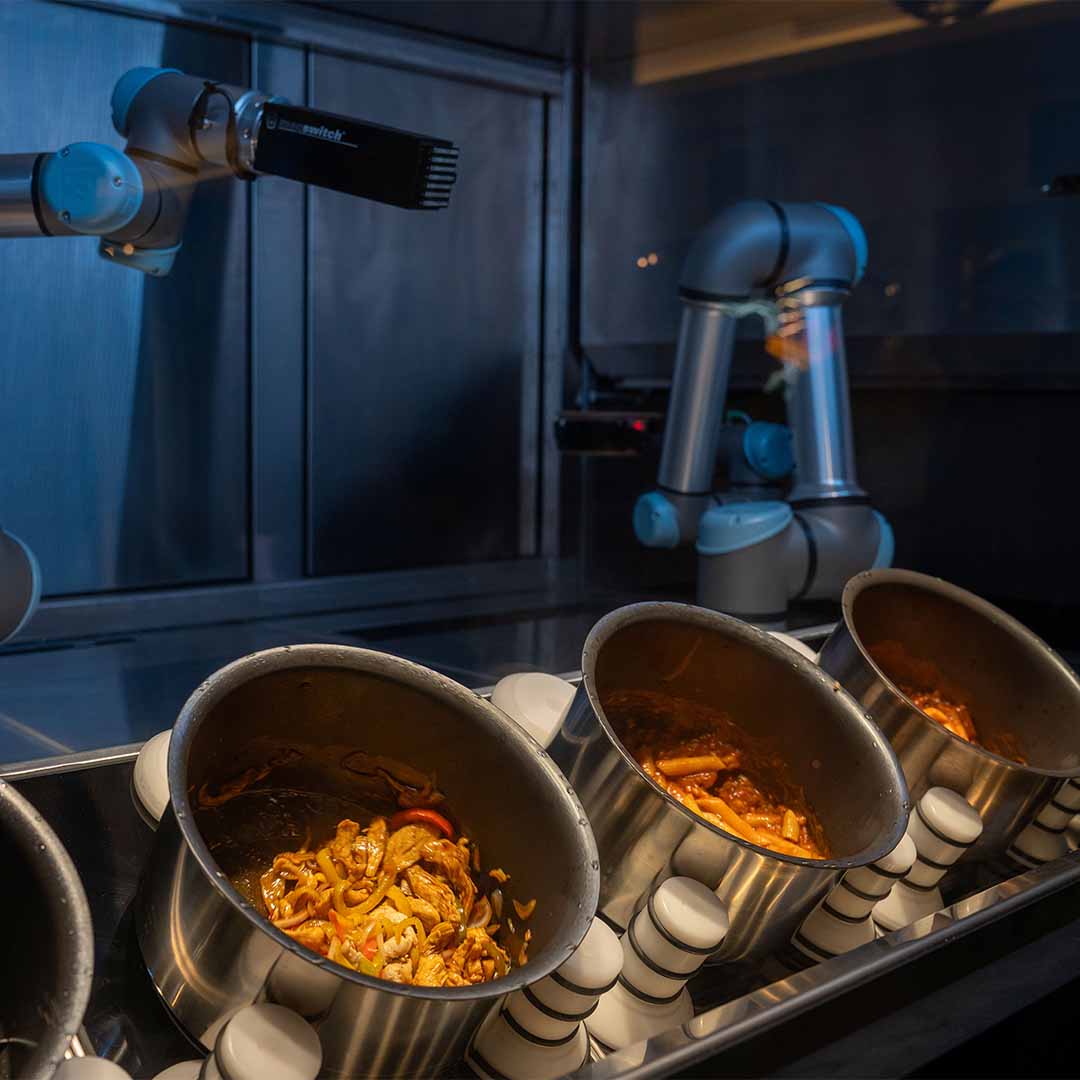
By design, the system can handle curries, bowls, pastas, soups, rice-based dishes, porridge, desserts and more. It can work with meat, fish, vegetables and carbohydrates.
Courtesy: Circus Group
A meal such as rice and curry can take around three to four minutes to prepare. Ingredients are dispensed fresh, combined in the pot, cooked inside the system, and then served. Consumers can also see the cooking process through the glass.
That visibility is part of the company’s approach to getting people comfortable with autonomous food. Rather than asking customers to blindly trust a machine, Bullwinkel believes the technology should make its value obvious.
LOCATION IS KEY
Location is key to a restaurant’s success. The same is true for the autonomous kitchen unit. The company’s first Abu Dhabi unit is now live in Marina Square, with more locations expected across Abu Dhabi and Dubai.
The UAE represents a slightly different opportunity from some of the company’s other markets, Bullwinkel says. In Germany, where Circus is based, autonomous kitchens can be placed in supermarkets, gas stations, airports, hospitals, and other locations where people naturally pass through. In the Gulf, Bullwinkel sees an opportunity to put the kitchen directly inside the buildings where people live and work.
The intent is to replace some of the complexity of last-mile food delivery with a more localized model.
Instead of a delivery rider picking up a meal and transporting it across the city, a small autonomous food production facility could sit inside a residential or office building, producing meals for the people already there.
“We’re basically bringing a very tiny factory a few square meters into your building,” Bullwinkel says. “So you can get it freshly produced directly in your house 24/7.”
The partnership with Royal Prestige is central to that localization strategy. Alongside supplying the ingredients, the catering company brings knowledge of the UAE market and its food preferences.
The menu includes classics as well as dishes tailored to local tastes, such as chicken biryani.
BIRYANI IS PART OF THE APPEAL
There is a reason the company is not leading with futuristic-sounding food. Bullwinkel says one of the lessons Circus has learned across its markets is that adoption often comes down to familiarity with the food itself.
The company experimented with highly personalized recipes, but has deliberately leaned back toward recognizable dishes: pasta, salads, and chicken biryani.
Courtesy: Circus Group
“We’re selling you a standard pasta. We’re going with a typical salad bowl. We’re going with a chicken biryani because you know it.”
The logic is simple, he explains, “A customer who already knows what a biryani should taste like has a reference point. Technology has become secondary to food.”
WILL THIS REPLACE CHEFS?
The obvious question hanging over an autonomous kitchen is what happens to the humans who currently work in them.
Bullwinkel’s answer is that Circus is not trying to eliminate culinary creativity. It wants to separate recipe creation from the physical infrastructure required to serve that recipe at scale.
The company sees its technology as a platform for chefs and food creators to develop recipes and distribute them at scale.
“Everybody who wants to develop dishes right now will be able to create dishes and recipes with us, and with just one click, make them available to millions of people in another part of the world,” Bullwinkel says.
That could allow a chef in Abu Dhabi to create a dish that is served through the company’s systems in another market without needing to open a physical restaurant in a new location.
For Bullwinkel, automation does not necessarily mean eliminating the pleasure of cooking. It means taking away some of its everyday necessity.
“Cooking should be more of a joyful thing you do when you want to do it.”
Bullwinkel believes food may be one of the first consumer industries to undergo a major transformation through physical AI and robotics, and lead the way for other industries.
Overall, he sees AI as a “revolution when it comes to food.”
“Food is now significantly better, significantly cheaper. You will never have opening hours again.”
For now, the revolution is taking the form of a pot, two robotic arms, and a few cameras.
The bigger question is whether culinary intelligence will not just titillate the palate, but become so subtle that customers don’t notice it.