UAE’s buildings sector has the toughest emissions target in the country
The Emirates Green Building Council CEO on what it will take to get UAE buildings to net zero


Buildings are a major part of the UAE’s net-zero challenge, and making them greener will take more than switching to energy-efficient lighting and installing solar panels.
As part of its third Nationally Determined Contribution (NDC 3.0), the UAE has set a 79% emissions-reduction target for the buildings sector by 2035, relative to its 2019 baseline, the largest percentage reduction among the sectors listed in the plan. That puts everything from how buildings are designed and constructed to how they are operated and maintained firmly in focus.
Retrofitting existing buildings will be a huge part of the challenge. Making those projects financially viable and getting developers to see the long-term return on investment will be absolutely critical to achieving the uptake we need. Tech can help, but the real driver of progress will be better regulation, better finance, and a complete change in how the industry thinks about building performance.
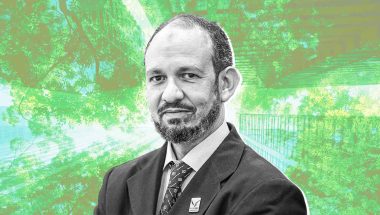
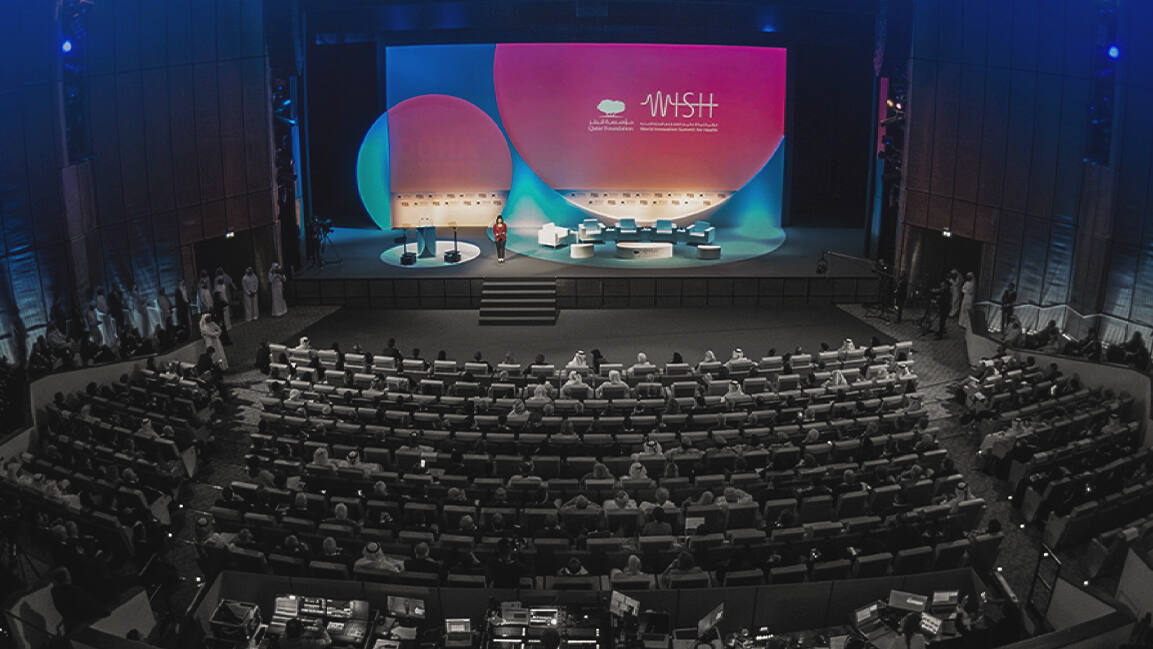
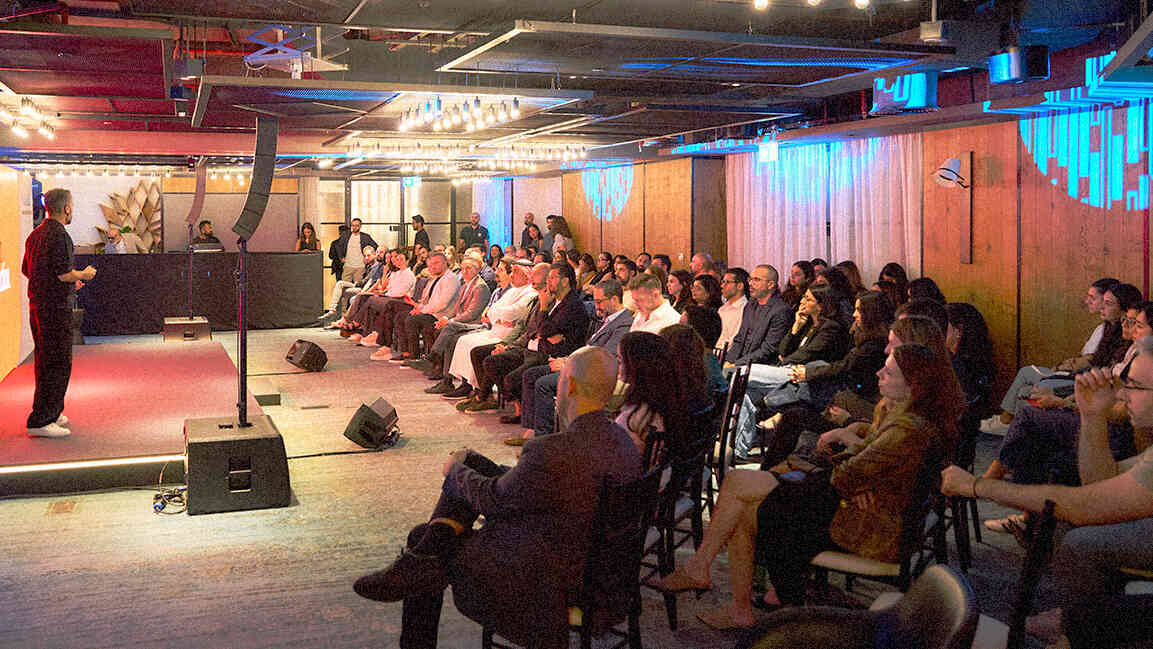
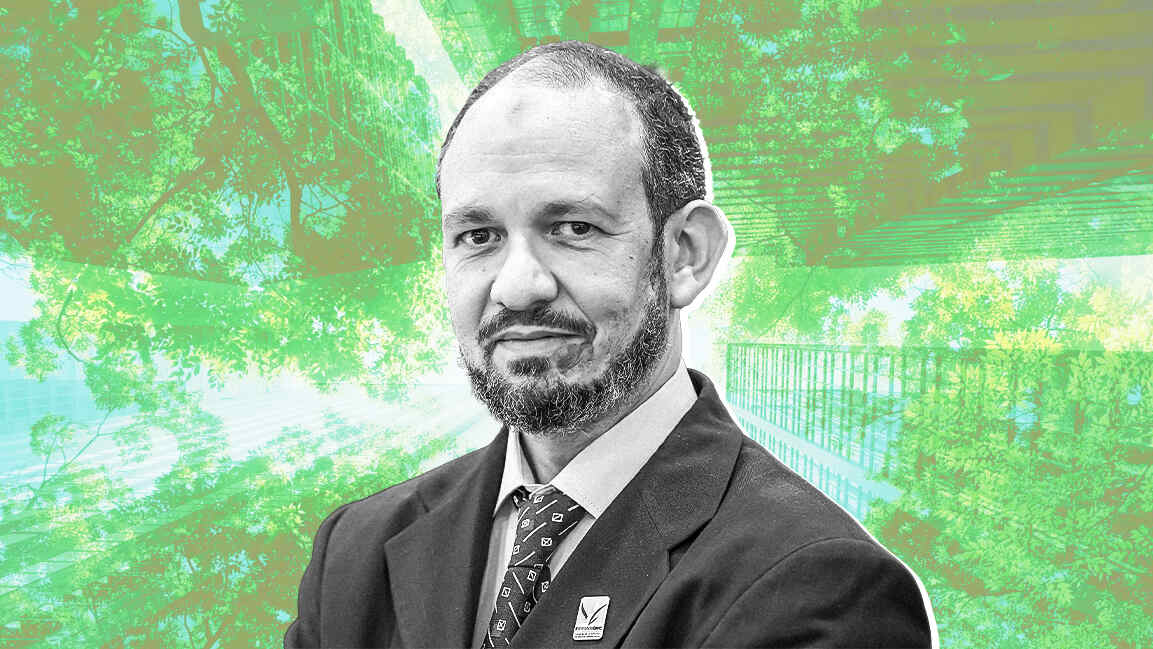
Following Big 5 Global 2026, Dr Abdullatif Albitawi, CEO of the Emirates Green Building Council, shares his thoughts on what is holding the sector back, where the biggest opportunities lie, and why a building’s greenness should be judged by its performance rather than its promises.
THE PACE PROBLEM
The built environment in the UAE will be pivotal in determining whether we achieve our net-zero targets by 2050. Albitawi says progress will be driven by knowledge sharing, collaboration, and a collective commitment. The decisions we make, the practices we adopt, and the solutions we develop in the sector will be key to realizing the country’s ambitions. “That in itself is a powerful statement as to how much importance we need to place on the way we design, build and operate our buildings,” he says.
The shortfall is in pace and adoption. “The ambition is clear, but action, particularly across our existing building stock, needs to move much faster,” he says.
“The UAE’s progress towards its ambitious net-zero emissions targets will be driven by several factors, including knowledge sharing, collaboration and collective commitment,” says Albitawi. While the targets set a clear direction, he believes the industry needs to pick up the pace. “The ambition is clear, but action, particularly across our existing building stock, needs to move much faster.”
Albitawi believes faster implementation and closer collaboration across sectors will be key to delivering tangible results.
One reason action is so slow is the enduring perception around cost. “‘Green means more’ is a very entrenched belief,” says Albitawi, and it needs to change. Going green doesn’t necessarily mean higher costs, and in some instances, green buildings are actually cheaper to build.
They also generate a whole host of financial and non-financial returns that go well beyond the construction budget. We’re talking lower operating costs, lower risk of stranded assets, greater productivity, and less spending on health-related issues. “For the investor looking at returns, a sustainable building is a better-performing, more future-proof asset,” he says.
That case is most relevant to the buildings that are already there. The UAE retrofit market is still some way off, and Albitawi is very upfront about the rate of progress. “The market is not moving fast enough,” he says. The two major impediments are the required capital and the concern about disrupting existing operations during the retrofit.
We’ll need greater awareness among decision-makers, plus a raft of regulations and policies that can actually drive and incentivize adoption. Albitawi feels that both are key to making large-scale retrofitting a reality. The opportunity is massive, given that the existing building stock will shape our cities for decades.
“The existing building stock will define our cities for decades to come, and that’s one of the biggest opportunities we have to accelerate our progress towards our sustainability targets,” he says.
FIVE BARRIERS, ONE EASY FIX
With temperatures rising, energy demand increasing, and water scarcity becoming an ever more pressing issue, buildings in the UAE will have to adapt to these conditions. Albitawi thinks this will require “bolder decisions and bolder action,” and that building design over the next 10 years will focus on four things: energy efficiency, occupant health and wellbeing, resilience, and a much greater connection with nature.
Growing populations are also driving up energy consumption, particularly electricity, adding to the pressure on the built environment. The focus, he says, must be on designing buildings that can withstand changing environmental conditions. “The buildings that thrive will be those designed for the climate we are heading into, not the one we had,” he says.
Getting there means overcoming the obstacles in the way. Albitawi identifies five key impediments to the uptake of sustainable construction across the UAE. These include the need for new and updated policies and regulations, better access to reliable data to prove the benefits and returns of sustainable construction, appropriate financing models that deliver both efficiency and cost-effectiveness, the availability of low-carbon construction materials, and the availability of more efficient building systems.
The fifth barrier, he believes, is perhaps the most straightforward to address: mindset and skills. “With a shift in thinking and how we approach sustainable construction, and investing in training to upskill talent, we can start making inroads,” he says. Changing attitudes across the industry and equipping people with the right skills will be important in turning sustainable construction into standard practice.
Technology can help with a number of the above. AI, digital twins and smart building management systems are changing how buildings are designed, operated and maintained. According to Albitawi, these technologies enable the collection and analysis of data more quickly and accurately, helping industry professionals make faster, better-informed decisions. This can range from adjusting building set points and planning preventive maintenance to identifying and selecting the most appropriate solutions.
Their influence goes well beyond the day-to-day running of buildings, extending into urban planning, architectural and structural design, and modeling. “Put simply, we are moving from managing buildings on assumptions to managing them on evidence,” he says.
WHAT MAKES A BUILDING GREEN?
Evidence matters just as much in defining a green building. Albitawi points out that the definition has always covered more than energy efficiency, including water management, indoor air quality, and construction and demolition waste. In the UAE and the wider region, though, cooling and air conditioning have the greatest environmental impact, which is why energy efficiency has remained, and will continue to be, a central priority.
What is changing is the growing emphasis on resilience, health and wellbeing. These are increasingly becoming defining features of a genuinely green building, alongside its ability to meet sustainability targets, fulfill owners’ operational goals and satisfy investors and occupants.
That brings us to certification. It’s useful in that it acknowledges achievement and provides independent verification that sustainable measures have, in fact, been put in place. The bigger question is how the building performs after that. “The real test of a green building is how it performs year on year – that’s where our focus must be,” Albitawi says.
He lists three things that will help ensure that the certification actually leads to results. The first is to measure and verify actual performance, including energy, water, and indoor air quality. The second is transparency in the data, with data shared and benchmarked so owners, tenants, and investors can compare buildings and understand what good performance actually looks like. The third is accountability via periodic recertification and ongoing monitoring.
Backed by performance data, certification also becomes a practical management tool. It helps owners identify areas for improvement, gives financiers greater confidence to invest in green projects and assures occupants that buildings are delivering on their sustainability commitments.