
- | 9:00 am
Why luxury hotels across the Gulf are partnering with wellness brands
Luxury wellness travel is moving beyond passive relaxation toward more purposeful engagement
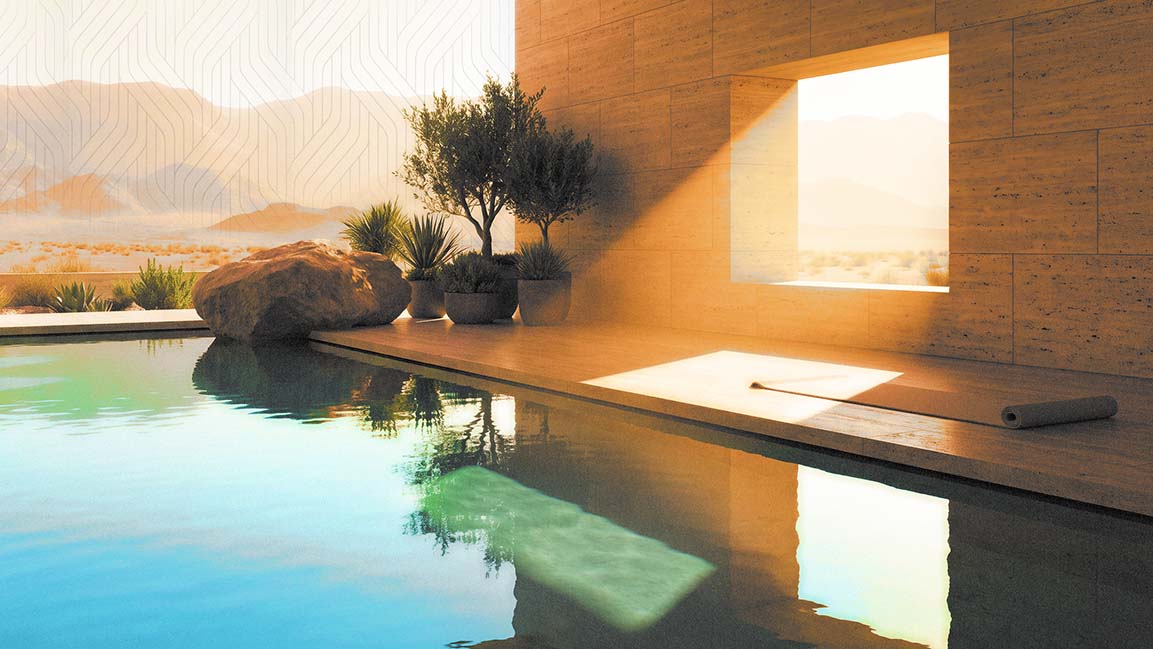


When we think of hotel wellness, we typically picture a spa, gym, and perhaps an in-house café or restaurant offering a healthy menu. But across the GCC, luxury hospitality brands are broadening that definition by bringing wellness into more parts of the guest experience.
One example of this shift is the growing number of partnerships between hotels and specialist wellness brands, allowing properties to bring products, expertise, and experience in-house.
Jumeirah, for instance, has partnered with Humantra to create an exclusive pineapple electrolyte flavor, available to guests across its properties. The Lana Dubai’s partnership with ALO Yoga extends from sound healing and guided yoga to Pilates sessions across the hotel. Kerten Hospitality’s partnership with Lululemon brings mindful movement to The House Hotel Al Khiran in Kuwait. At Triple Bay AMAALA in Saudi Arabia, Swiss longevity specialist Clinique La Prairie brings a holistic approach to longevity, combining medicine, nutrition, and movement.
THE RISE OF THE WELL-INFORMED WELLNESS TRAVELER
Christian Kiefer, founder of Spa Wellness Project Management, a consultancy specializing in luxury spa and wellness, says wellness has expanded beyond traditional hotel offerings as travelers have become more informed.
“Guests are becoming significantly more knowledgeable about wellness,” he says. “And with that comes higher expectations. They recognize brands, understand treatments, and know what they want from a wellness experience.”
There’s also a growing willingness to spend on experiences that support health and well-being. According to the Global Wellness Institute, MENA is one of the world’s fastest-growing regions for wellness tourism between 2019 and 2024, with spending growing 15% annually. The UAE has been a major driver, with its wellness tourism market growing 23.5% annually over the same period to reach $11.3 billion.
“Today guests are also viewing wellness through a much wider lens, encompassing movement, recovery, sleep, nutrition, mental wellbeing, and preventative health,” Kiefer notes, with travelers increasingly seeking experiences tailored to specific needs and goals.
Six Senses Southern Dunes, The Red Sea, offers a personalized sleep program that combines sleep tracking, meditation, and consultation.
Laura Lishman, cluster spa director at Marriott International and former director of spa at St. Regis Red Sea Resorts, says travelers are increasingly drawn to destination-specific wellness experiences.
“Whether that is destination-inspired healing rituals, transformative wellness programs, unique natural environments, or culturally authentic practices, travelers are increasingly drawn to rare and memorable experiences that offer something beyond their routine.”
Wellness is expected to be seamlessly integrated throughout the guest journey, creating opportunities for both personal well-being and genuine discovery, says Lishman, who was closely involved in the pre-opening of several Red Sea resorts.
The traditional model of offering every guest the same treatment menu is therefore becoming less relevant.
RESPONDING TO CHANGING WELLNESS NEEDS
As travelers become more sophisticated and specific about their wellness needs, hotels are also having to rethink how they can meet this growing demand.
Jumeirah is seeing this change among its own guests.
“What was once a preference for relaxation has evolved into more specific personal expectations around fitness, recovery, sleep, and hydration, and guests expect those needs to be supported throughout their stay,” the hotel says in an email interview.
However, developing wellness programs that can deliver this level of expertise and consistency can be challenging. Kiefer says partnering with an established wellness company or brand offers one way to bridge that gap, giving hotels access to specialist expertise, trained teams, programming, credibility, and brand equity.
“Building that depth of knowledge internally takes considerable time and investment,” he says. “Additionally, a recognized wellness brand can introduce its own audience to the hotel.”
Jumeirah’s partnership with Humantra illustrates how this can work. Humantra Pineapple, an exclusive flavor developed for Jumeirah, is available across Jumeirah destinations in the UAE, UK, and Europe. Rather than developing its own hydration product, the hotel group tapped Humantra’s wellness expertise, integrating it into the guest experience.
THE VALUE OF WELLNESS PARTNERSHIPS
Both sides bring something different to the partnership.
“The hotel provides the setting, service infrastructure, and guest base, while the wellness brand brings specialist knowledge, credibility, programming, and its own community,” Kiefer says. When the partnership is well matched, he adds, both sides can benefit: the wellness experience becomes another reason to choose the hotel, while the hotel environment allows the wellness brand to reach new audiences.
For travelers, Lishman adds, these partnerships create opportunities to experience curated programs, treatments, classes, and expert-led experiences in an accessible and engaging way.
“Another significant benefit is the ability to maintain year-round diversity through seasonal residencies, rotating practitioners, and masterclasses. Hotels can continually refresh their offerings and create reasons for guests to return.”
The commercial benefits can extend beyond overnight guests, too. A strong wellness offering can attract residents as well as hotel guests, creating an additional audience and revenue stream. It can also drive spending through treatments, memberships, wellness programs, and retail, while giving the property another way to differentiate itself within a competitive market. At The Lana, its partnership with ALO Yoga includes classes that are open not only to hotel guests but also to members of the wider community, extending the relationship beyond the traditional hotel stay. The hotel’s concierge also curates visits to ALO Yoga’s flagship store in Dubai Mall, further connecting these two brands.
“Most importantly, these partnerships create an emotional connection,” Kiefer adds. “That has enormous value in [building] loyalty and repeat visits.”
WELL POSITIONED FOR WELLNESS HOSPITALITY
Kiefer expects partnerships between hospitality, wellness, fitness, and longevity brands to become increasingly common across the GCC, although he does not expect every hotel to follow the same model.
“The region is well positioned for this development,” he says, “given its ambitious hospitality pipeline, investment in health and quality of life, and a consumer base increasingly engaged with fitness and wellness.”
For hotel operators, the challenge will be choosing partnerships that respond to the guest and destination rather than simply attaching a recognized name to an existing facility. That means identifying a genuine need, integrating the partnership into programming, training, and service, and continuing to evolve the offering as guest expectations change.
Kiefer expects interest in recovery treatments such as IV and infrared therapy to continue growing, alongside simpler wellness experiences centered on sleep, movement, and mindfulness.
Travelers increasingly want experiences that shape how they feel during their stay and what they take home with them beyond the hotel.
Lishman says travelers want “opportunities to learn, connect, engage, and discover something unexpected,” with experiences that offer specialist expertise, cultural immersion, and practices they can integrate into everyday life.