
- | 10:00 am
AD Ports Group activates alternative corridors to protect Gulf supply chains amid disruption
AD Ports Group activates sea, air, land, and rail networks to keep Gulf trade moving as regional shipping disruptions intensify.
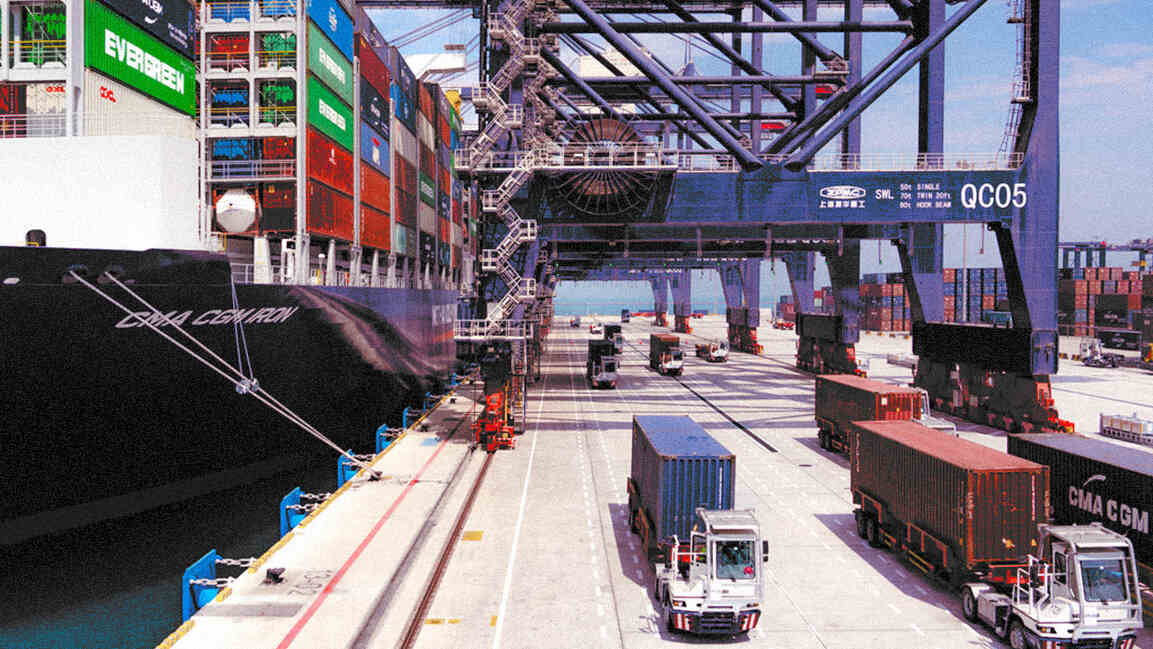


AD Ports Group has activated its full suite of logistics capabilities to maintain supply chain continuity across the Gulf as regional developments and vessel congestion around the Strait of Hormuz create operational pressure on maritime trade routes.
Since late February, the Abu Dhabi-listed group has continued normal operations while rapidly rerouting cargo across land, rail, sea, and air. The approach is designed to offset disruptions affecting Arabian Gulf ports and ensure the uninterrupted movement of goods for global customers.
The scale of the response highlights the group’s diversified infrastructure. To date, AD Ports Group has handled more than 54,000 TEUs through Fujairah Terminals and Khor Fakkan Port, both located on the Gulf of Oman and serving as alternative gateways to the UAE. In parallel, over 22,000 containers have been moved through its land logistics network, while 18,000 TEUs have been transported across its maritime services, supported by a fleet of 24 vessels operating eight feeder routes.
Air freight operations have also been scaled up, with more than 8,000 tonnes of cargo moved through over 100 chartered flights. This multimodal response has helped maintain the flow of goods across key supply chains despite evolving regional conditions.
“Our long-term investments in a diversified logistics and trade infrastructure network have enabled one of the UAE’s largest logistics redeployments to be executed with speed and efficiency. Under the guidance of UAE leadership, AD Ports Group will continue to ensure the flow of goods across local and regional markets, particularly essential commodities such as food, medicines and strategic reserves,” said Captain Mohamed Juma Al Shamisi, Managing Director and Group CEO of AD Ports Group. “Our commitment to our partners and customers remains firm, while we continue to safeguard our workforce and strengthen the resilience of regional supply chains.”
To sustain shipping flows into Khalifa Port and maintain three key trade corridors linking the UAE’s eastern seaboard with ports across the Arabian Sea and Red Sea, the group has introduced new regional feeder services while increasing fleet capacity.
Feeder operations run by SAFEEN Feeders and Global Feeder Shipping have been rerouted via Fujairah and Khor Fakkan, creating alternative entry points into the UAE and the wider GCC. New container feeder routes now connect ports in India, Pakistan and Oman, as well as locations along the Red Sea and Upper Arabian Gulf, diversifying trade corridors and reducing reliance on constrained routes.
Beyond maritime operations, AD Ports Group has established an air bridge using three chartered aircraft to move essential goods, with plans to expand capacity further if required. On land, it has created a logistics bridge linking Fujairah and Khor Fakkan to Khalifa Port, Jebel Ali Port and Sharjah through bonded customs corridors. This network is supported by 800 trucks and four new daily rail services operated by Etihad Rail.
The group is also expanding its warehousing capacity for essential goods. Current space exceeds 76,000 square meters and is expected to more than double to 188,000 square meters, strengthening storage resilience during periods of supply chain disruption.
Digitally, AD Ports Group is using its trade platforms to improve visibility and responsiveness. By integrating data across global operations, it can monitor trade lanes in real time, optimize routing decisions, and redeploy empty import containers for export along high-volume alternative corridors, helping reduce transit times and costs for customers.
Working closely with UAE authorities and industry partners, the group said it remains focused on maintaining uninterrupted service delivery while adapting to shifting regional dynamics.

Featured Videos
Today's Top Stories:
More Top Stories:




FROM OUR PARTNERS