
• | 11:00 am

AI’s climate promise is colliding with its own environmental cost

GlobalData said predictive AI offers clearer climate benefits, rather than energy-intensive generative AI.
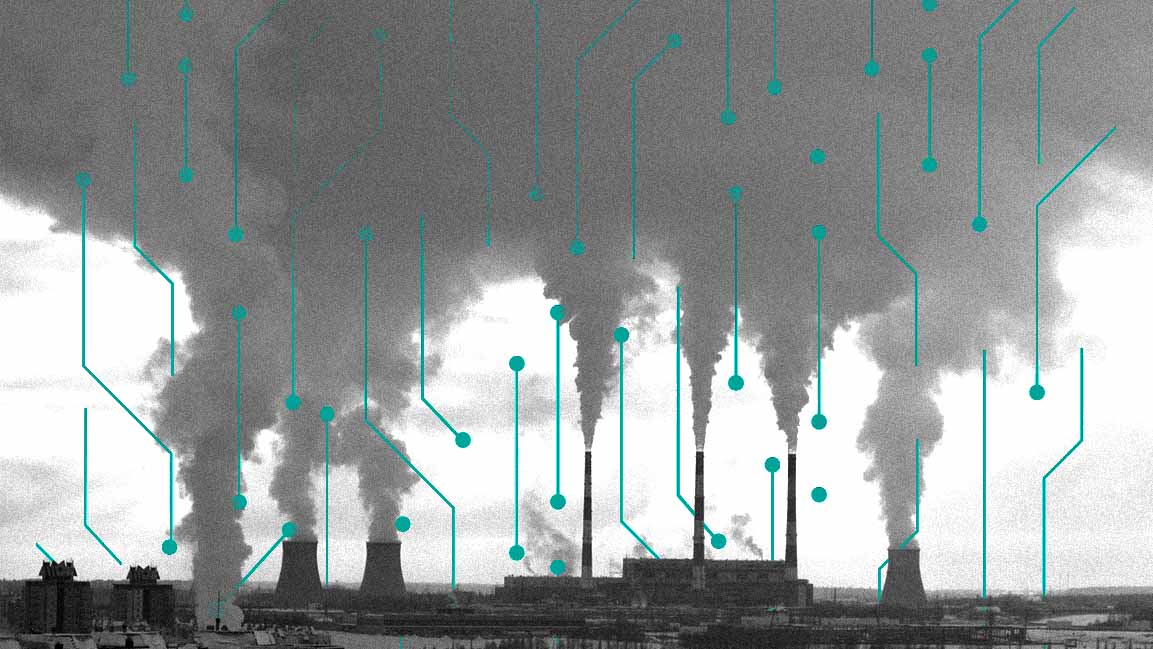
AI’s climate promise is colliding with its own environmental cost
[Source photo: Krishna Prasad/Fast Company Middle East]

Artificial intelligence could help reduce emissions across sectors including energy, agriculture and buildings, but its climate benefits could be offset by rising data center emissions and water consumption, according to GlobalData.

The intelligence and productivity company’s report, Artificial Intelligence for Climate Mitigation, found that AI can support targeted emissions-reduction efforts but cannot address climate change on its own.

It also warned that the environmental impact of developing and operating AI systems could outweigh efficiency gains in some applications.

“AI can support climate mitigation, but it will never be the whole solution. For AI technology to have a net positive impact on the planet, the efficiencies it generates must outweigh the environmental harm caused by data centers and inference,” said Aoife McGurk, Senior Analyst at GlobalData Strategic Intelligence.

According to GlobalData, the clearest climate benefits currently associated with AI come from predictive systems rather than energy-intensive generative AI and large frontier models.

Predictive AI can be used to optimize renewable power grids, support more sustainable agriculture and manage energy consumption in buildings.

“Predictive AI can help improve efficiency and reduce resource use across key sectors, through renewable grid optimization, sustainable agriculture, and building energy use management,” McGurk said. “Generative AI, on the other hand, produces significantly higher emissions, and there is little evidence that it mitigates climate change.”

The report also cautioned companies against relying heavily on generative AI, including large language models, in corporate sustainability strategies.

GlobalData said AI systems’ carbon and water requirements, combined with the risk of inaccurate or fabricated outputs, could create compliance and reputational risks and potentially contribute to greenwashing.

It recommended that businesses assess whether individual AI applications deliver measurable reductions in greenhouse gas emissions or ecosystem degradation, and whether those benefits outweigh the technology’s environmental costs.

Where generative or agentic AI can deliver significant climate benefits, McGurk said companies should take steps to reduce their environmental footprint. These could include using smaller language models, automated model triage, carbon-aware computing, edge infrastructure, emissions budgets, more efficient algorithms and improved data center cooling.

More Top Stories:

FROM OUR PARTNERS