

- | 1:00 pm
UAE targets 50% local crop production under updated Food Security Strategy 2051
The UAE sets new target to grow half its crops locally by 2051, betting on advanced farming technologies to overcome its harsh climate and scarce resources
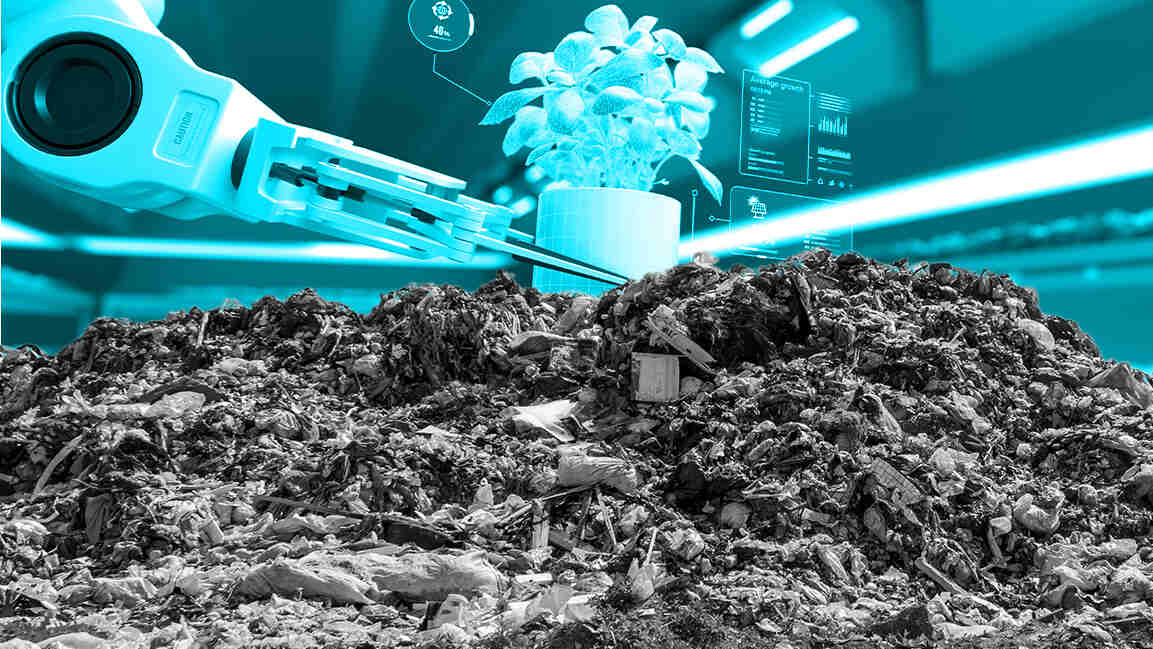


The UAE is updating its National Food Security Strategy 2051 with a target of producing 50% of its crops locally, as the country looks to expand domestic agriculture through advanced farming technologies.
Mohammed Saeed Al Nuaimi, Undersecretary of the Ministry of Climate Change and Environment, outlined the target at the Sharjah Investment Forum 2026, highlighting the role of indoor farming, hydroponics and other smart agricultural systems in increasing local production, as well as reducing emissions.
The push comes as the UAE seeks to reduce its reliance on imported food and strengthen its resilience to disruptions in global supply chains. The country imports between 85% and 90% of its food, according to a 2025 World Economic Forum report, leaving the country exposed to fluctuations in international food prices and rising shipping costs.
But increasing domestic production presents its own challenges. Limited arable land, water scarcity and extreme temperatures have long constrained agriculture in the UAE. That has made technological innovation critical to growing more food while still reducing water, energy and land use increasingly important.
Speaking during a panel titled “Growing a Sustainable Future,” Al Nuaimi said the government is working with the private sector and farmers to align government policies, describing agricultural technology as a promising investment opportunity for the coming decade and positioning the UAE as a potential regional hub.
Separately, Khaled Al Huraimel, group CEO of Beeah Group, said Sharjah had achieved a landfill waste diversion rate of 93 percent, which he claimed is “the highest in the Middle East”.
The company’s waste-to-energy plant, which currently generates 30 megawatts, is set to double its capacity to meet the power needs of a new community being developed by its real estate arm, he said.
Launched in 2018, the National Food Security Strategy 2051 aims to boost local production, diversify food sources through international partnerships and introduce legislation and policies to improve nutrition and reduce waste.

Featured Videos
Today's Top Stories:
More Top Stories:




FROM OUR PARTNERS