- | 12:00 pm
Egypt targets 30 million tourists by 2030 as government seeks to boost tourism’s economic impact
Egypt aims to attract 30 million tourists annually by 2030, boosting tourism revenues and its economic contribution.
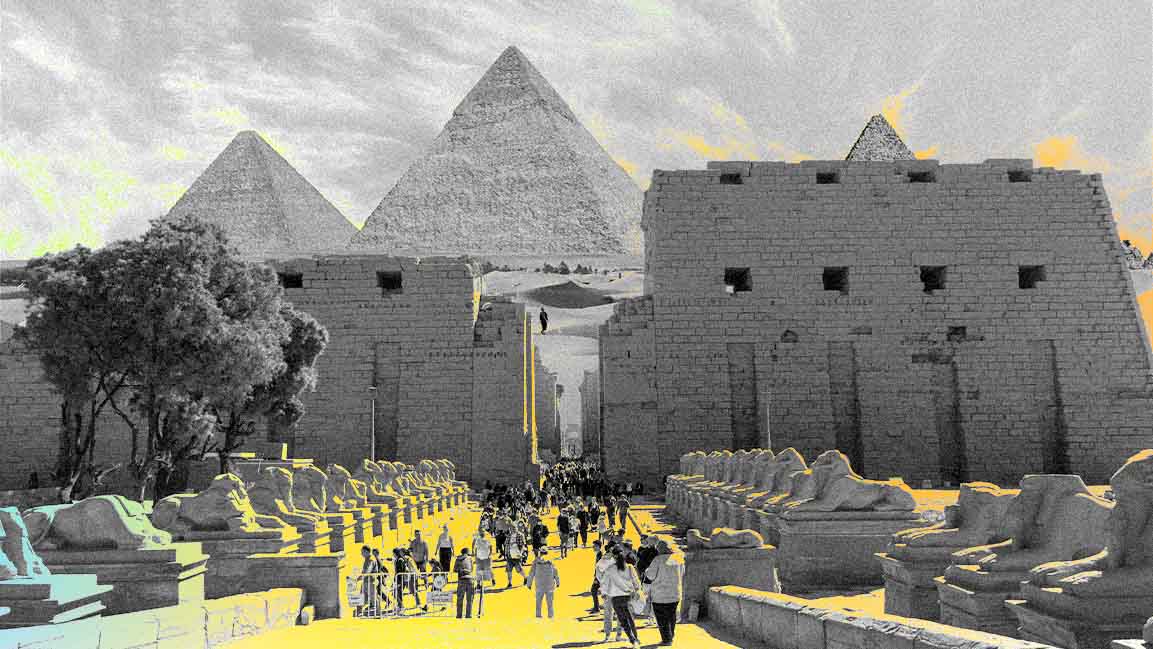


Egypt’s Ministries of Tourism and Antiquities and of Planning and Economic Development are strengthening coordination to improve measurement and presentation of the tourism sector’s contribution to the national economy.
Tourism and Antiquities Minister Sherif Fathy and Planning and Economic Development Minister Ahmed Rostom discussed measures to improve the monitoring of the sector’s direct and indirect economic returns, as the government seeks to position tourism as a key driver of economic growth.
Fathy described tourism as a major pillar of the national economy, generating direct and indirect returns while supporting a broad range of related industries and services. He welcomed the Ministry of Planning and Economic Development’s efforts to develop a more comprehensive assessment of the sector’s economic contribution.
The minister also called for continued coordination to align tourism development targets with broader economic plans and identify the investment and infrastructure needed to support future growth.
Egypt aims to attract 30 million tourists annually by 2030, a target Fathy said would significantly increase tourism revenues and strengthen the sector’s contribution to the economy. He added that achieving the goal will require coordination among government entities and an environment that supports sustainable growth in the sector.
Fathy also outlined the Ministry of Tourism and Antiquities’ strategy, which is built around six priorities: improving tourism investment competitiveness; diversifying tourism products; developing human resources; strengthening governance and the visitor experience; advancing sustainability and digital and environmental transformation; and implementing effective tourism marketing policies.
Rostom said tourism remains a major contributor to Egypt’s economic growth and a significant source of foreign currency, while supporting direct and indirect employment.
He pointed to the opening of new archaeological attractions, including the Grand Egyptian Museum, alongside improvements to transport infrastructure and expanded airport capacity, as developments that support efforts to increase tourist arrivals and tourism’s broader economic contribution.
Rostom also highlighted the sector’s links to a wide range of supporting industries and services, noting that stronger tourism growth can generate broader economic benefits, create employment and support national development.
Both ministers agreed to continue coordinating on tourism development policies and establishing future targets for the sector.

Featured Videos
Today's Top Stories:
More Top Stories:



FROM OUR PARTNERS